Trump to remain chairman of ‘Gaza Board of Peace’ even when he’s not US President
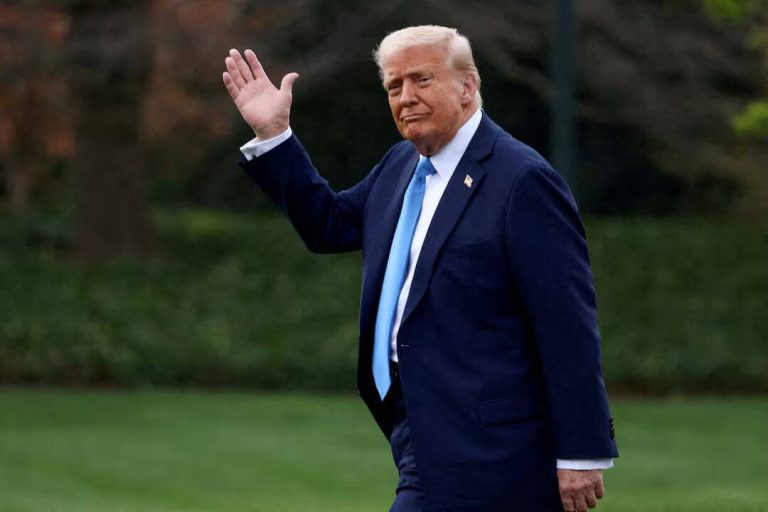
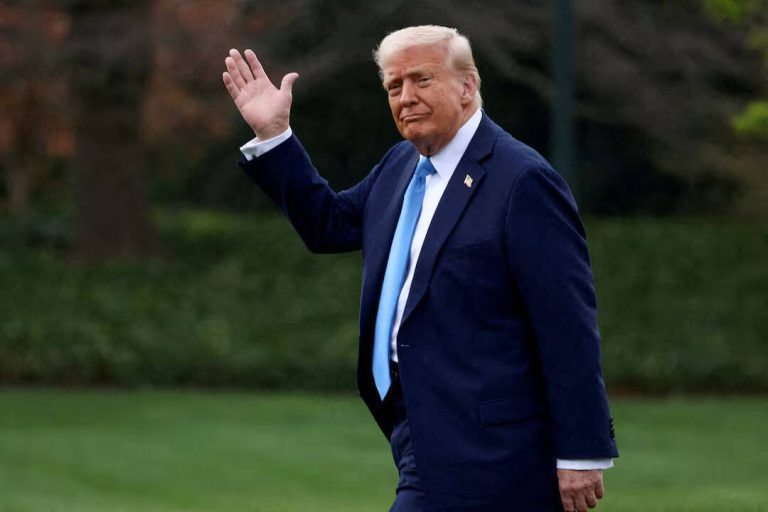
In a move that has raised several eyebrows, it has been announced that Donald Trump will continue to serve as the chairman of the ‘Gaza Board of Peace’ even after he is no longer the President of the United States. This revelation has sparked a flurry of questions and concerns, particularly given the unique structure and rules of the board. According to the charter of the Gaza Board of Peace, the chairman can only be removed from their position if they voluntarily resign or are voted “incapable” by the executive board. What’s more, the executive board is comprised of appointees chosen by Trump himself, making it highly unlikely that he would be removed from his position.
This news has significant implications, particularly in the context of international diplomacy and global politics. The Gaza Board of Peace is an organization aimed at promoting peace and stability in the Gaza region, and having a former US President at its helm could potentially impact the dynamics of global relationships. Moreover, Trump’s continued involvement with the board, even after he is no longer in office, raises questions about the potential for conflicts of interest and the blurring of lines between personal and public roles.
One of the most interesting aspects of this development is the fact that Trump has extended an invitation to Indian Prime Minister Narendra Modi to join the Gaza Board of Peace. This move has been seen as a significant overture, given the complex and often delicate nature of international relationships. The fact that Trump has chosen to invite Modi, in particular, suggests that the board may be looking to expand its reach and influence, potentially leveraging the diplomatic clout of key global leaders.
The invitation to Modi has also sparked a range of reactions, with some hailing it as a positive development and others expressing skepticism. Some have argued that Modi’s involvement with the board could help to bolster India’s reputation as a key player in global diplomacy, while others have raised concerns about the potential risks and challenges associated with such a move. Given the complex geopolitics of the region, it remains to be seen how Modi’s involvement with the board will play out, and what implications it may have for India’s relationships with other nations.
The Gaza Board of Peace has been the subject of significant attention and scrutiny, particularly given its ambitious goals and the complex challenges it seeks to address. The board’s charter and structure have been designed to ensure that it remains a robust and effective platform for promoting peace and stability, but the fact that Trump will remain at its helm even after he is no longer in office has raised concerns about accountability and transparency.
One of the key issues at play here is the fact that the executive board, which has the power to remove the chairman, is comprised of appointees chosen by Trump. This has led some to argue that the board’s structure is unduly influenced by Trump’s personal preferences, rather than being guided by a more impartial and independent process. This, in turn, has raised questions about the potential for conflicts of interest and the extent to which the board’s decisions may be shaped by Trump’s personal agenda.
In addition to these concerns, there are also questions about the broader implications of Trump’s continued involvement with the Gaza Board of Peace. As a former US President, Trump will undoubtedly continue to wield significant influence and authority, and his role as chairman of the board will likely amplify his voice and platform. This, in turn, could have significant implications for global politics and diplomacy, particularly if Trump chooses to use his position to advance his own personal interests or agendas.
As the situation continues to unfold, it will be interesting to see how the Gaza Board of Peace evolves and develops under Trump’s continued leadership. Will the board be able to achieve its ambitious goals, or will it become mired in controversy and politics? How will Modi’s involvement with the board shape India’s relationships with other nations, and what implications will this have for global diplomacy? These are just a few of the questions that will need to be addressed in the coming months and years.
In conclusion, the announcement that Trump will remain chairman of the Gaza Board of Peace even after he is no longer US President has significant implications for global politics and diplomacy. The unique structure and rules of the board, combined with Trump’s continued involvement, raise important questions about accountability, transparency, and the potential for conflicts of interest. As the situation continues to evolve, it will be essential to monitor developments closely and consider the potential implications for global relationships and diplomacy.
About the Author