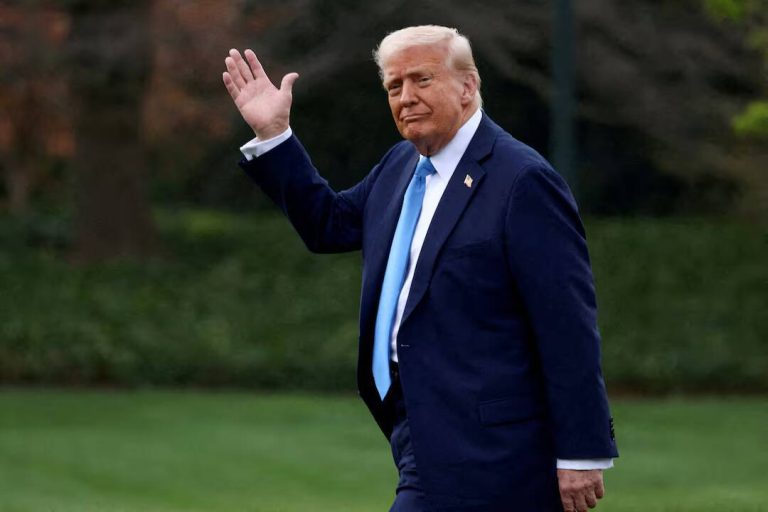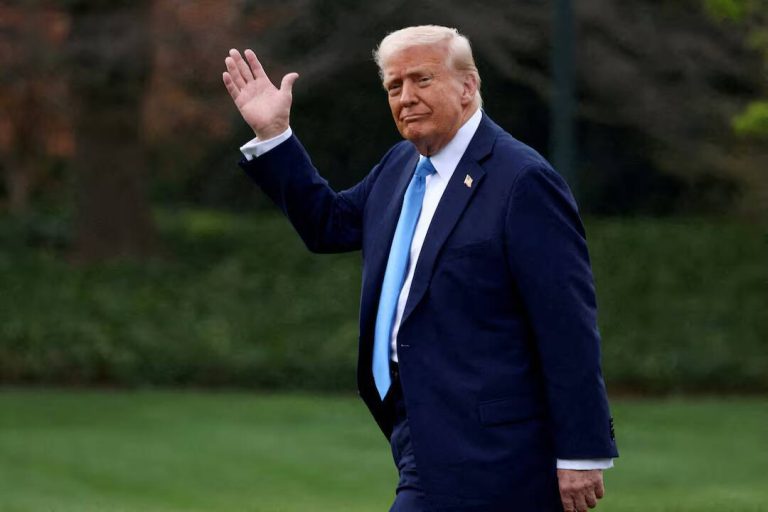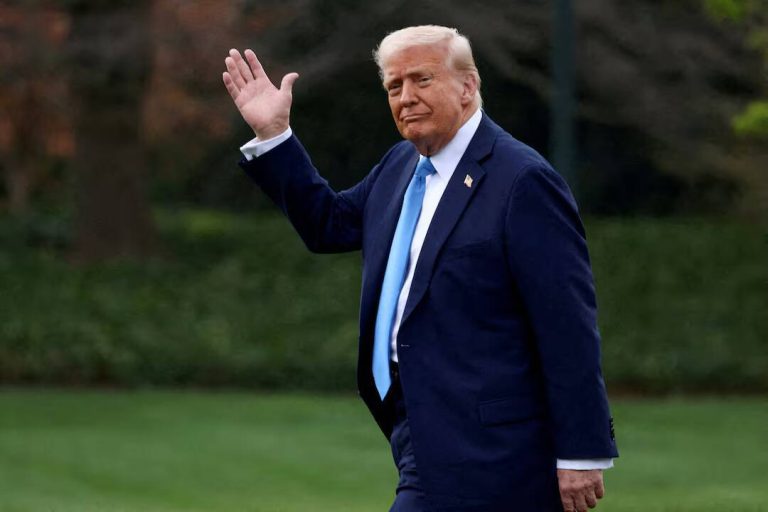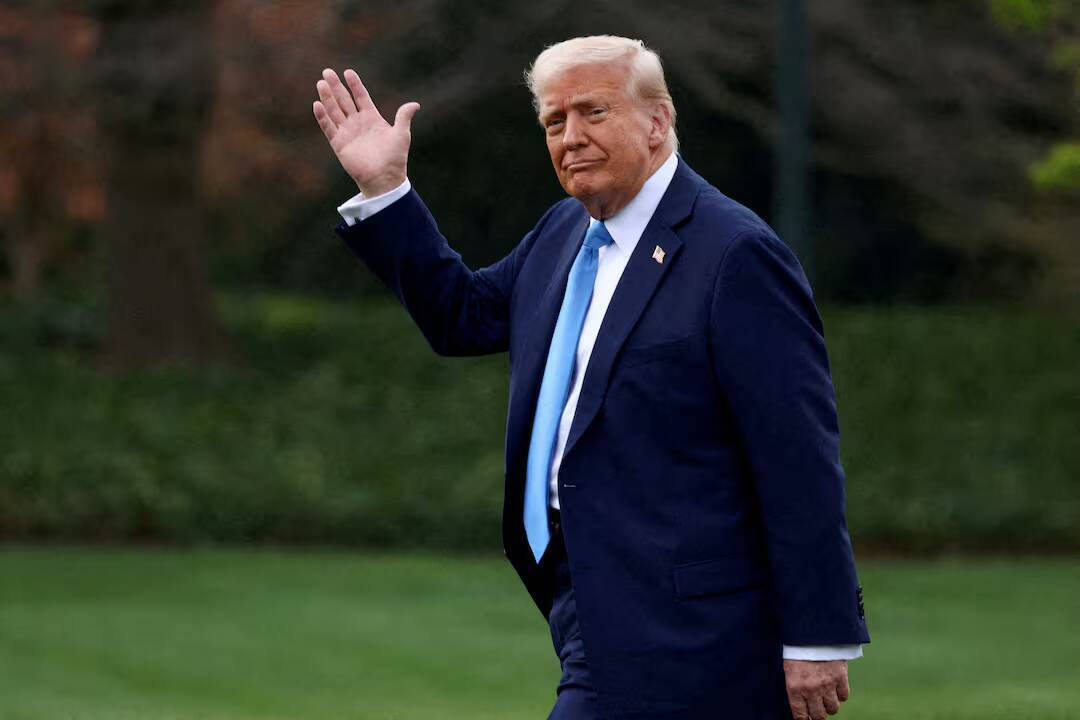
Trump to remain chairman of ‘Gaza Board of Peace’ even when he’s not US President
The Gaza Board of Peace, a entity aimed at promoting peace and stability in the Gaza region, has been making headlines recently due to its unique structure and leadership. Despite the changing landscape of global politics, Donald Trump is set to remain the chairman of the Gaza Board of Peace, even if he is no longer the President of the United States. This revelation has raised several eyebrows and sparked intense debate about the implications of such a arrangement.
According to the charter of the Gaza Board of Peace, the chairman can only be removed from their position if they voluntarily resign or are voted “incapable” by the executive board. The catch, however, is that the executive board is comprised of appointees chosen by the chairman himself, in this case, Donald Trump. This means that Trump has effectively handpicked the members who would be responsible for deciding his fate as chairman, making it highly unlikely that he would be removed from the position.
This arrangement has sparked concerns about the potential for conflicts of interest and the concentration of power in the hands of one individual. Critics argue that this structure undermines the very purpose of the Gaza Board of Peace, which is to promote peace and stability in the region. With Trump at the helm, even when he is no longer the US President, the board’s decisions and actions may be influenced by his personal interests and biases, rather than a genuine commitment to the well-being of the people of Gaza.
Furthermore, Trump’s invitation to Indian Prime Minister Narendra Modi to join the Gaza Board of Peace has added another layer of complexity to the situation. While Modi’s participation could potentially bring a new perspective and set of skills to the table, it also raises questions about the motivations behind Trump’s invitation. Is this a genuine attempt to foster greater international cooperation and collaboration, or is it simply a move to bolster Trump’s own influence and credibility?
The Gaza Board of Peace is not just any ordinary organization; it has the potential to shape the course of history in the Gaza region. The fact that Trump will remain at the helm, even when he is no longer the US President, raises concerns about the long-term implications of this arrangement. Will the board’s decisions and actions be guided by a commitment to the principles of peace, justice, and human rights, or will they be driven by Trump’s personal agenda and interests?
In addition to these concerns, there are also questions about the role of other nations and international organizations in the Gaza Board of Peace. Will they be willing to work with an organization that is effectively controlled by one individual, particularly one with a controversial track record on issues related to peace and human rights? Or will they distance themselves from the board, citing concerns about its legitimacy and credibility?
As the situation continues to unfold, it is essential to consider the potential consequences of Trump’s continued leadership of the Gaza Board of Peace. Will his presence help to promote peace and stability in the region, or will it exacerbate existing tensions and conflicts? Only time will tell, but one thing is certain: the world will be watching with great interest as this saga plays out.
In conclusion, the Gaza Board of Peace is a complex and multifaceted entity, with a unique structure and leadership arrangement. While the organization’s goals and objectives are laudable, the fact that Donald Trump will remain its chairman, even when he is no longer the US President, raises significant concerns about conflicts of interest, concentration of power, and the potential for personal agendas to influence decision-making. As the situation continues to evolve, it is essential to stay informed and engaged, and to demand transparency and accountability from those involved.
About the Author