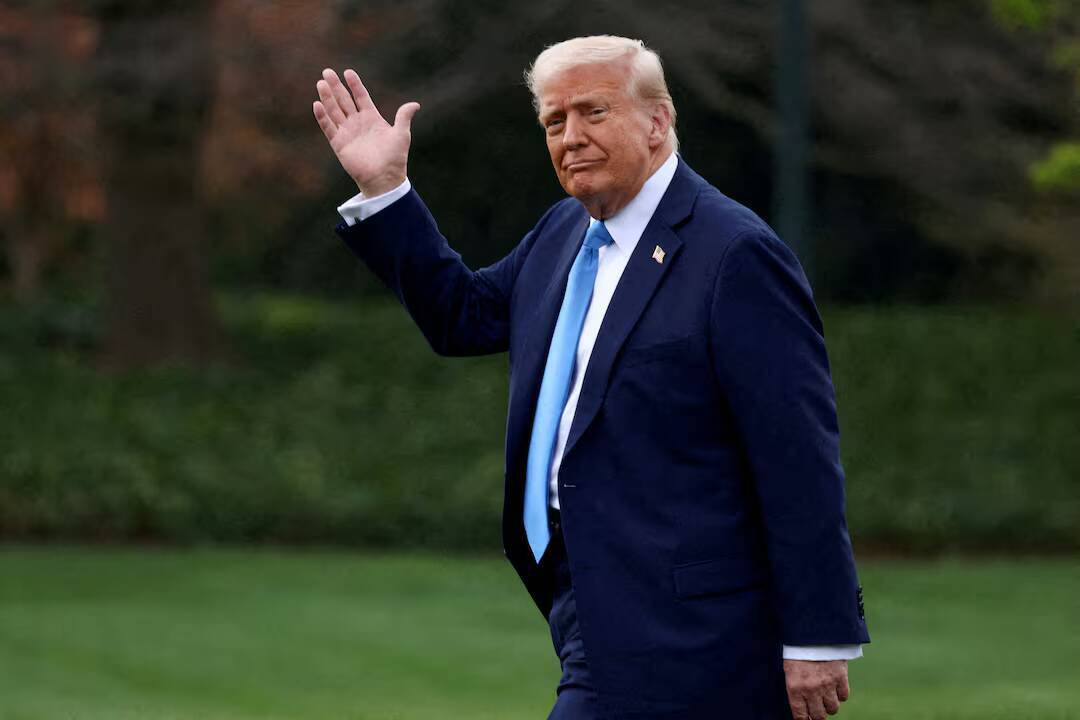
Trump to Remain Chairman of ‘Gaza Board of Peace’ Even When He’s Not US President
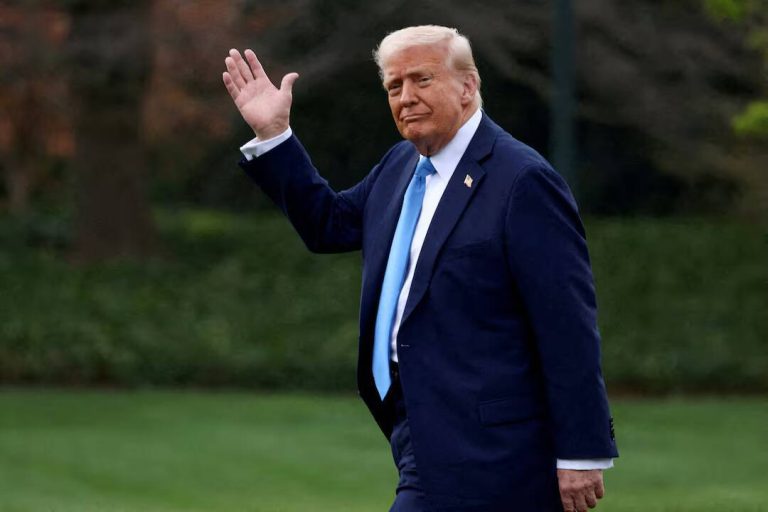
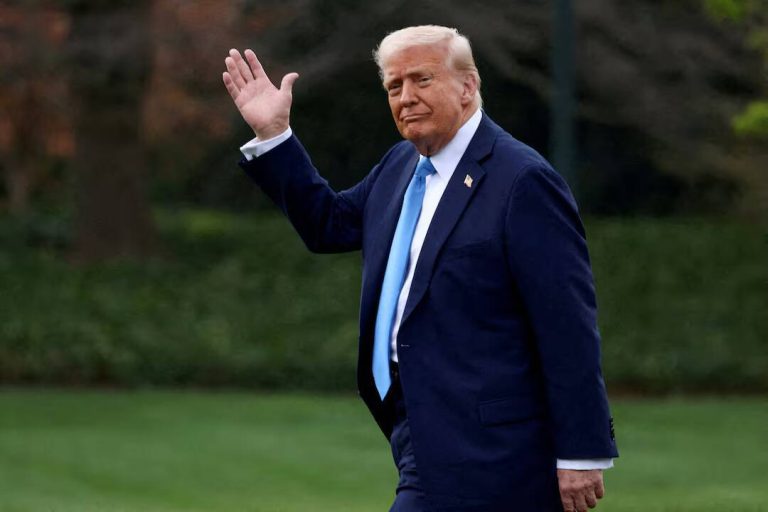
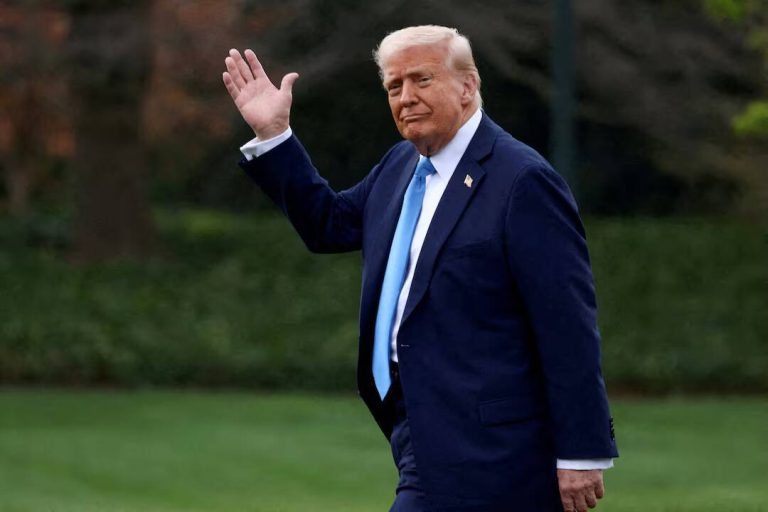
In a surprising turn of events, it has been revealed that Donald Trump will continue to serve as the chairman of the ‘Gaza Board of Peace’ even after he is no longer the President of the United States. This news has raised several eyebrows, particularly given the unique structure of the board and the implications it may have on global politics.
According to the charter of the Gaza Board of Peace, the chairman can only be removed from their position if they voluntarily resign or are voted “incapable” by the executive board. What’s noteworthy is that the executive board is comprised of appointees chosen by none other than Trump himself. This means that, in effect, Trump has handpicked the very individuals who would be responsible for determining his own fitness to continue as chairman.
This arrangement has sparked concerns about the potential for conflicts of interest and the concentration of power in the hands of a single individual. Critics argue that it is unusual for a board dedicated to promoting peace and stability in a region like Gaza to be structured in such a way that its chairman can essentially appoint their own oversight committee.
Meanwhile, Trump has extended an invitation to Indian Prime Minister Narendra Modi to join the Gaza Board of Peace. This move has been seen as an attempt to broaden the board’s international scope and credibility. However, it also raises questions about the role that India is expected to play in the board’s activities and decision-making processes.
The Gaza Board of Peace was established with the aim of promoting peace and stability in the Gaza region, which has been plagued by conflict and humanitarian crises for decades. While the board’s goals are undoubtedly noble, the controversy surrounding its leadership structure and Trump’s continued role as chairman threatens to undermine its credibility and effectiveness.
One of the key concerns is that Trump’s chairmanship may be seen as a partisan or politically motivated appointment, rather than a genuinely impartial or neutral one. As a former President of the United States, Trump’s involvement in the board may be perceived as an attempt to advance his own political agenda or interests, rather than prioritizing the needs and concerns of the Gaza region.
Furthermore, the fact that Trump has appointed his own executive board members raises questions about the board’s independence and ability to make decisions that are truly in the best interests of the Gaza region. If the board is seen as being dominated by Trump loyalists or appointees, it may struggle to establish trust and credibility with other stakeholders, including governments, NGOs, and local communities.
In light of these concerns, it will be interesting to see how the Gaza Board of Peace navigates the challenges ahead. Will Trump’s continued chairmanship prove to be a hindrance or a help to the board’s efforts? How will the board balance its goals of promoting peace and stability with the need to maintain its independence and credibility?
As the situation continues to unfold, one thing is clear: the Gaza Board of Peace faces a complex and daunting task in promoting peace and stability in one of the world’s most troubled regions. While Trump’s involvement may have brought attention and resources to the board, it also raises important questions about the board’s governance, accountability, and effectiveness.
In conclusion, the news that Trump will remain chairman of the Gaza Board of Peace even after he is no longer US President has sparked controversy and debate. While the board’s goals are undoubtedly important, the concerns surrounding its leadership structure and Trump’s continued role as chairman cannot be ignored. As the board moves forward, it will be essential to address these concerns and establish a more transparent, accountable, and inclusive decision-making process.
About the Author