T’gana minister slams Pawan for ‘evil eye’ remark, warns film ban
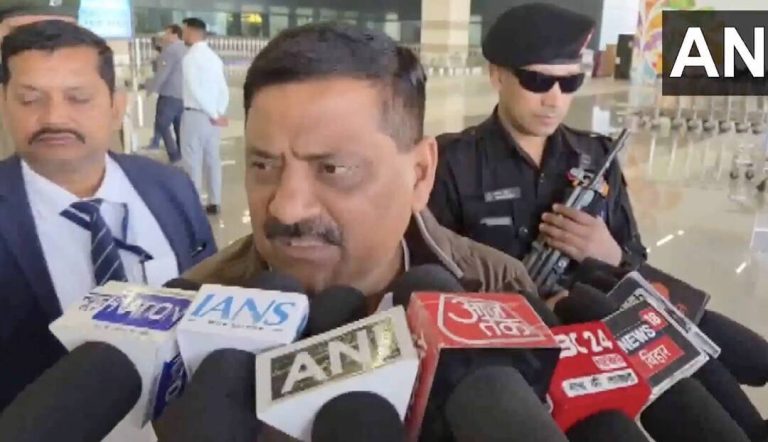
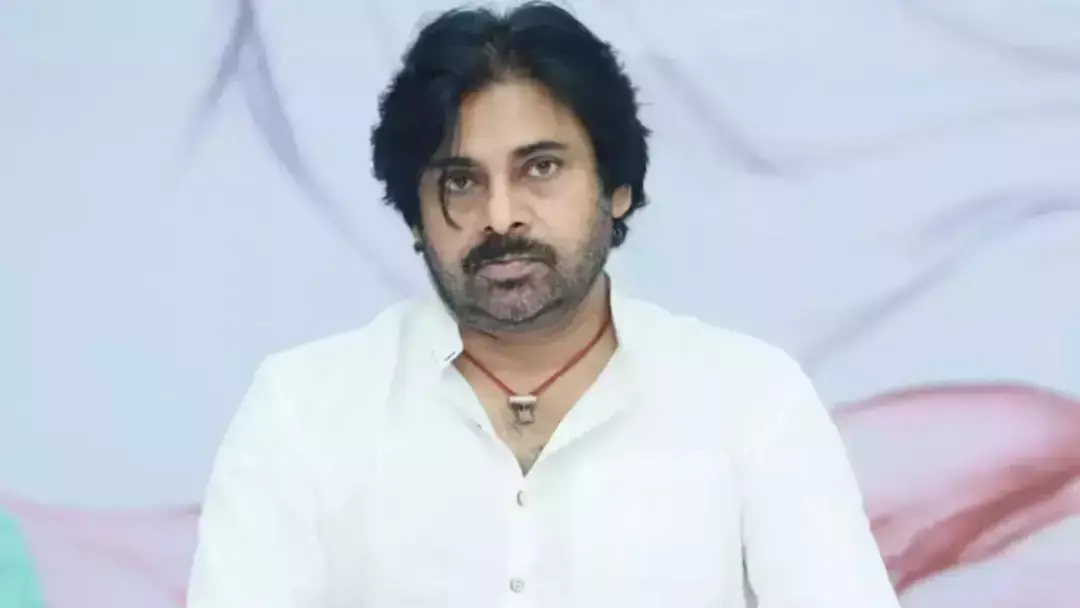
The world of politics and entertainment often collide, and the latest controversy surrounding Telugu actor and Deputy Chief Minister Pawan Kalyan is a prime example. In a recent statement, Kalyan attributed the dying coconut trees in the Konaseema region to “evil eye,” sparking outrage and criticism from various quarters. Telangana Cinematography Minister Komatireddy Venkat Reddy has been at the forefront of this criticism, demanding an apology from Kalyan for his remarks.
The coconut trees in the Konaseema region have been dying due to a combination of factors, including climate change, soil degradation, and disease. However, Kalyan’s simplistic and unscientific explanation has been widely panned by experts and politicians alike. Minister Reddy, in particular, has taken umbrage with Kalyan’s statement, terming it “irresponsible” and “unbecoming” of a public figure.
Reddy’s criticism of Kalyan is not just limited to the latter’s remarks on the coconut trees. The minister has also questioned Kalyan’s commitment to the people of Telangana, alleging that the actor-turned-politician is more interested in pursuing his film career than in serving the state. This perceived lack of dedication has led to a war of words between Reddy and Kalyan, with the former warning that the latter’s films may face a ban in Telangana if he fails to apologize for his comments.
The warning issued by Reddy is significant, as it highlights the complex and often fraught relationship between politics and cinema in India. On the one hand, film personalities like Kalyan enjoy a massive following and can wield significant influence in the political sphere. On the other hand, their statements and actions can also be subject to intense scrutiny and criticism, particularly if they are perceived as being out of touch with the concerns of the common people.
In this context, Reddy’s demand for an apology from Kalyan can be seen as an attempt to hold the actor accountable for his words and actions. By warning that Kalyan’s films may face a ban in Telangana, Reddy is also sending a signal that the state government will not tolerate irresponsible or unscientific statements from public figures.
The controversy surrounding Kalyan’s remarks has also sparked a wider debate about the role of film personalities in politics. While some argue that actors like Kalyan can bring attention and visibility to important issues, others contend that they often lack the depth and nuance required to tackle complex problems.
As the row between Reddy and Kalyan continues to unfold, it remains to be seen whether the actor will apologize for his comments or stick to his guns. If he fails to apologize, it is possible that his films may indeed face a ban in Telangana, at least in the short term. However, it is also possible that Kalyan’s fans and supporters will rally around him, arguing that he has been unfairly targeted by the state government.
Ultimately, the controversy surrounding Kalyan’s remarks serves as a reminder that film personalities, like all public figures, must be mindful of the impact of their words and actions. As Reddy has pointed out, Kalyan’s statement on the coconut trees was not just a harmless remark, but a reflection of his broader worldview and approach to problem-solving. By demanding an apology from Kalyan, Reddy is holding him accountable for his words and actions, and reminding him that, as a public figure, he has a responsibility to be informed, nuanced, and respectful in his comments.
In conclusion, the row between Reddy and Kalyan is a complex and multifaceted issue, reflecting the intersections and tensions between politics, cinema, and society. As the controversy continues to unfold, it will be interesting to see how Kalyan responds to Reddy’s criticism, and whether his films will indeed face a ban in Telangana.
About the Author