T’gana minister slams Pawan for ‘evil eye’ remark, warns film ban
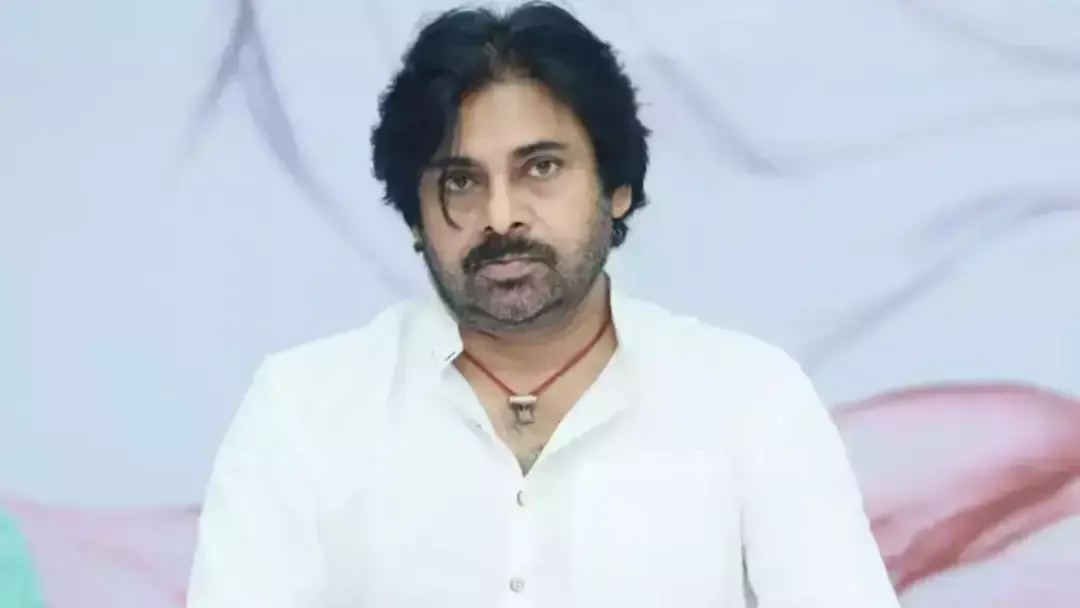
The world of politics and entertainment often collide, and the latest controversy surrounding Telugu actor and Deputy Chief Minister Pawan Kalyan is a prime example. In a recent statement, Kalyan attributed the dying coconut trees in the Konaseema region to “evil eye,” sparking outrage and criticism from various quarters. Telangana Cinematography Minister Komatireddy Venkat Reddy has now demanded an apology from Kalyan, warning that failure to do so could result in a ban on his films in the state.
The comment in question was made by Kalyan during a visit to the Konaseema region, where he was assessing the damage to the coconut trees. When asked about the cause of the trees’ decline, Kalyan allegedly stated that it was due to “evil eye” or “drishti.” This remark has been met with widespread criticism, with many accusing Kalyan of being insensitive and superstitious. The Minister, Komatireddy Venkat Reddy, has taken strong exception to Kalyan’s comment, terming it as irresponsible and unbecoming of a public figure.
Reddy’s reaction is understandable, given the severity of the situation in the Konaseema region. The dying coconut trees have caused significant economic hardship to the local farmers, who rely on the crop for their livelihood. By attributing the problem to “evil eye,” Kalyan has been accused of trivializing the issue and diverting attention from the real causes of the problem. The Minister has demanded that Kalyan apologize for his comment, stating that it is essential for a public figure to be mindful of the impact of their words on the people.
The controversy has taken a turn for the worse, with Reddy warning that if Kalyan fails to apologize, his films will not be allowed to release in Telangana. This is a significant threat, given the large following that Kalyan enjoys in the state. Reddy’s statement has been seen as a clear indication that the government will not tolerate irresponsible behavior from public figures, especially when it comes to sensitive issues like the welfare of farmers.
The demand for an apology from Kalyan has sparked a debate about the role of public figures in society. While Kalyan is an actor and a politician, his comments have the power to influence public opinion and shape perceptions. By attributing the dying coconut trees to “evil eye,” Kalyan has been accused of perpetuating superstition and ignorance. The incident highlights the need for public figures to be responsible and informed in their statements, especially when it comes to sensitive issues.
The warning of a film ban has also raised questions about the power of the government to regulate the entertainment industry. While the government has the authority to regulate the release of films, the threat of a ban has been seen as an attempt to silence Kalyan and curb his freedom of expression. The incident has sparked a debate about the limits of free speech and the role of the government in regulating public discourse.
In conclusion, the controversy surrounding Pawan Kalyan’s comment on the dying coconut trees in the Konaseema region has sparked a heated debate about the role of public figures in society. The demand for an apology from Kalyan and the warning of a film ban have highlighted the need for responsible behavior from public figures and the importance of regulating the entertainment industry. As the situation unfolds, it remains to be seen whether Kalyan will apologize for his comment and whether the government will follow through on its threat of a film ban.
The incident is a reminder that public figures have a significant impact on society, and their words and actions can have far-reaching consequences. It is essential for them to be mindful of the impact of their statements and to take responsibility for their actions. The controversy surrounding Kalyan’s comment is a prime example of the need for public figures to be accountable and responsible in their statements, especially when it comes to sensitive issues like the welfare of farmers.
As the situation continues to unfold, it is likely that the controversy will have significant implications for Kalyan’s career and the entertainment industry as a whole. The incident has sparked a debate about the role of public figures in society and the need for responsible behavior from them. It remains to be seen how Kalyan will respond to the demand for an apology and whether the government will follow through on its threat of a film ban.
About the Author