T’gana minister slams Pawan for ‘evil eye’ remark, warns film ban
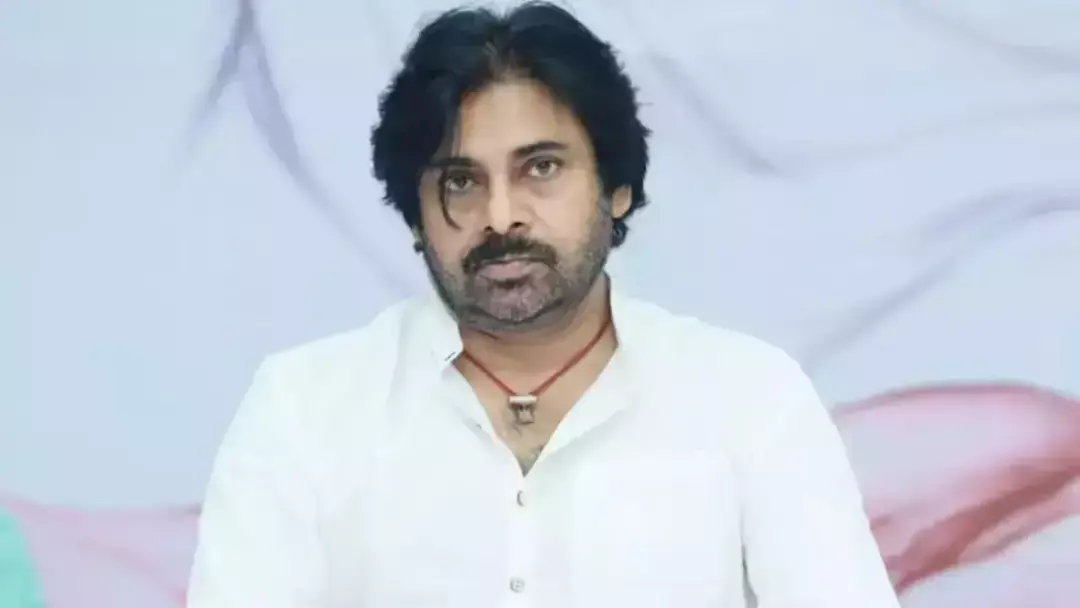
The world of politics and cinema often collide, and the latest controversy to emerge from the Indian state of Telangana is a perfect example of this. Telangana Cinematography Minister Komatireddy Venkat Reddy has demanded an apology from Deputy Chief Minister and actor Pawan Kalyan for his recent comments on the dying coconut trees in the Konaseema region. The issue began when Kalyan attributed the death of the coconut trees to an “evil eye,” sparking outrage and criticism from various quarters.
The Konaseema region, known for its lush green coconut groves, has been facing a mysterious problem with its coconut trees dying at an alarming rate. The issue has been a subject of concern for the local farmers and the government, with various theories being floated to explain the phenomenon. However, Pawan Kalyan’s comment on the “evil eye” being the cause of the problem has not gone down well with the people, including Minister Komatireddy Venkat Reddy.
Reddy, who is also in charge of the cinematography department, has taken strong exception to Kalyan’s comment, terming it as “irresponsible” and “unbecoming” of a public figure. The minister has demanded that Kalyan apologize for his remark, warning that if he fails to do so, his films will not be allowed to release in Telangana. “If Pawan Kalyan apologises, his movies will be screened at least a couple of days, if he fails to apologise, his films won’t release anywhere in Telangana,” Reddy warned.
This controversy has once again highlighted the complex relationship between politics and cinema in India. Pawan Kalyan, who is also the founder of the Jana Sena Party, has been actively involved in politics and has been vocal on various issues. However, his comment on the “evil eye” has been seen as a misguided attempt to explain a complex problem, and has been widely criticized.
The demand for an apology from Kalyan has also sparked a debate on the role of public figures in society. While Kalyan’s fans have come out in support of their star, arguing that he has the right to express his opinion, others have criticized him for being insensitive and irresponsible. The fact that Kalyan is a public figure and a deputy chief minister has added to the controversy, with many arguing that he should be more mindful of his words and actions.
The warning by Minister Reddy to ban Kalyan’s films in Telangana has also raised questions about the power of the government to control the release of films. While the minister has the authority to take decisions on film releases, the threat to ban Kalyan’s films has been seen as an attempt to muzzle his voice and stifle his freedom of expression.
In recent years, there have been several instances of films being banned or facing opposition from various quarters, often on the grounds of hurting sentiments or promoting controversy. The issue of film censorship has been a contentious one, with many arguing that it is essential to protect the rights of artists and filmmakers to express themselves freely.
The controversy surrounding Pawan Kalyan’s comment on the “evil eye” has also highlighted the need for public figures to be more responsible and sensitive in their words and actions. As role models, they have a significant influence on their fans and the general public, and their comments can have far-reaching consequences.
In conclusion, the controversy surrounding Pawan Kalyan’s comment on the “evil eye” has sparked a heated debate on the role of public figures, film censorship, and the power of the government to control the release of films. While the issue is complex and multifaceted, one thing is clear: public figures like Kalyan need to be more mindful of their words and actions, and the government needs to be more nuanced in its approach to film censorship.
As the controversy continues to unfold, it remains to be seen how Kalyan will respond to the demand for an apology and whether his films will be allowed to release in Telangana. One thing is certain, however: the intersection of politics and cinema will continue to be a contentious and complex issue in India, with far-reaching consequences for artists, filmmakers, and the general public.
About the Author