T’gana minister slams Pawan for ‘evil eye’ remark, warns film ban
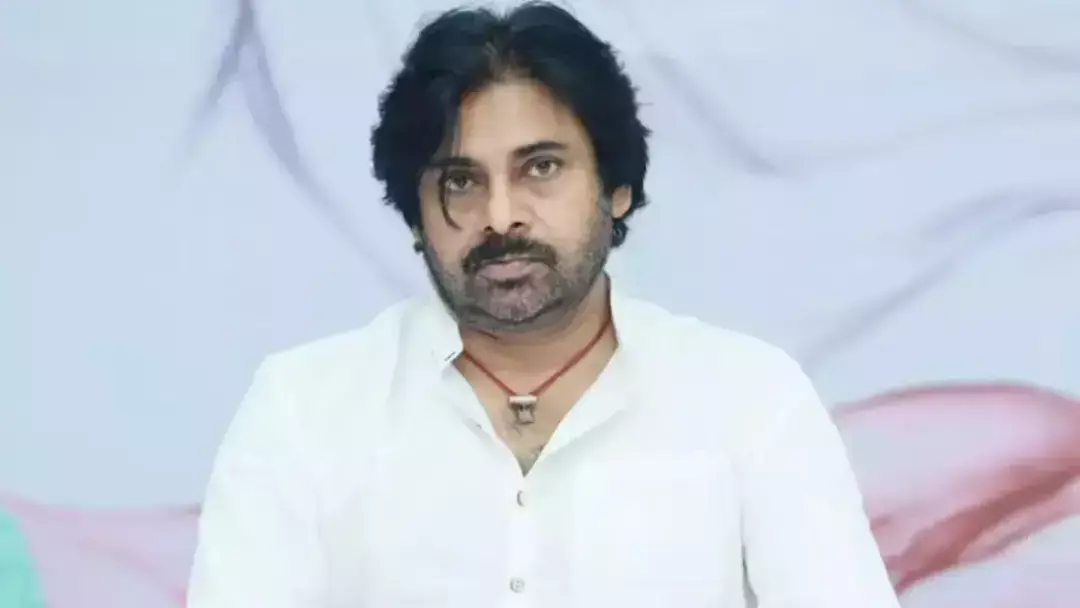
The world of Indian cinema is no stranger to controversy, and the latest incident involves none other than Telugu actor and Deputy Chief Minister of Andhra Pradesh, Pawan Kalyan. In a statement that has sparked outrage, Kalyan recently attributed the dying coconut trees in the Konaseema region to “evil eye.” This remark has not gone down well with the Telangana government, particularly with Cinematography Minister Komatireddy Venkat Reddy, who has demanded an apology from the actor.
The issue began when Pawan Kalyan, while addressing a gathering in the Konaseema region, claimed that the dying coconut trees were a result of “evil eye” or “drishti” in Telugu. This statement was met with widespread criticism, with many accusing the actor of being insensitive and superstitious. The Konaseema region is known for its lush coconut plantations, and the sudden death of these trees has caused significant concern among the local population.
Telangana Cinematography Minister Komatireddy Venkat Reddy was quick to respond to Kalyan’s statement, slamming the actor for his “irresponsible” remark. Reddy demanded an apology from Kalyan, stating that his comment was not only unscientific but also hurtful to the people of the Konaseema region. The minister warned that if Kalyan fails to apologize, his films would not be allowed to release in Telangana.
“If Pawan Kalyan apologizes, his movies will be screened at least a couple of days, but if he fails to apologize, his films won’t release anywhere in Telangana,” Reddy said in a statement. This warning has sent shockwaves in the film industry, with many wondering if the minister’s threat would be carried out.
The demand for an apology from Pawan Kalyan has sparked a heated debate in the Telugu film industry. While some have come out in support of the minister, others have defended Kalyan’s right to freedom of speech. However, it is essential to note that as a public figure and a Deputy Chief Minister, Kalyan’s words carry significant weight, and his statement on the dying coconut trees has been perceived as insensitive and dismissive of the concerns of the local population.
The issue has also raised questions about the role of superstition in Indian society. While many Indians still believe in the concept of “evil eye” or “drishti,” others see it as an unscientific and outdated notion. In the context of the dying coconut trees, it is essential to rely on scientific evidence and expert opinion rather than attributing the problem to supernatural forces.
As the controversy surrounding Pawan Kalyan’s statement continues to unfold, it remains to be seen if the actor will apologize for his remark. The Telangana government’s warning to ban his films has significant implications for the film industry, and it will be interesting to see how the situation develops in the coming days.
In conclusion, the controversy surrounding Pawan Kalyan’s “evil eye” remark is a complex issue that involves not only the film industry but also the broader societal context. While the demand for an apology from the actor is understandable, it is essential to approach the issue with nuance and sensitivity. As the situation continues to unfold, it is crucial to rely on scientific evidence and expert opinion rather than superstition and speculation.
The incident has once again highlighted the importance of responsible public speech, particularly for those in positions of power and influence. As public figures, it is essential for individuals like Pawan Kalyan to be mindful of the impact of their words and to avoid making statements that can be perceived as insensitive or hurtful.
As the debate surrounding the issue continues, it is essential to remember that the primary concern is the welfare of the people of the Konaseema region, who are struggling to cope with the sudden death of their coconut trees. Rather than attributing the problem to supernatural forces, it is essential to work towards finding a scientific solution to the issue and to provide support to the affected communities.
About the Author