T’gana Minister Slams Pawan for ‘Evil Eye’ Remark, Warns Film Ban
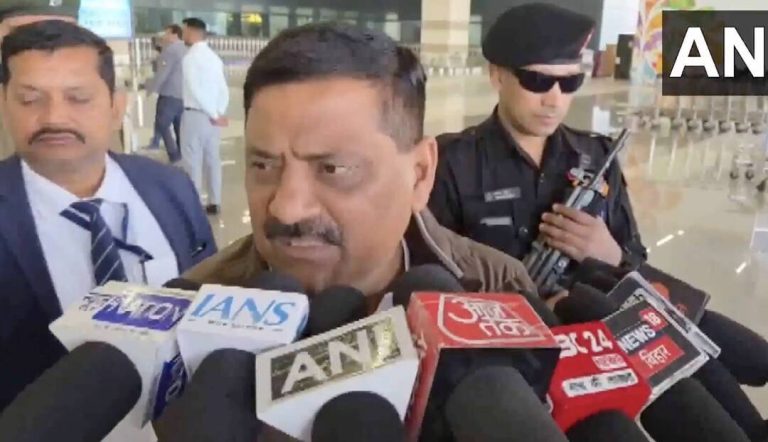
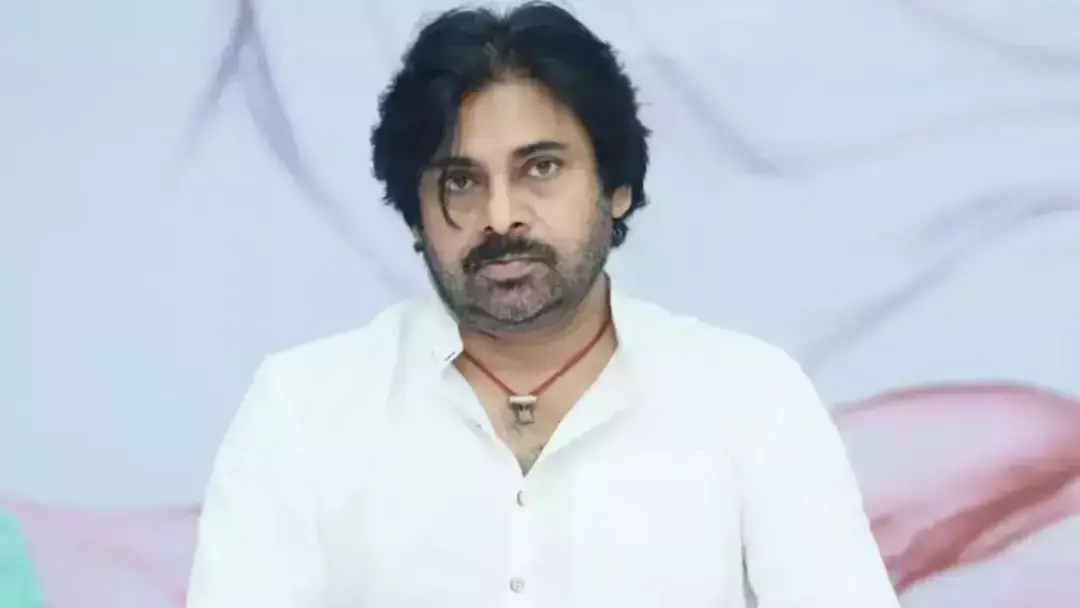
In a shocking turn of events, Telangana Cinematography Minister Komatireddy Venkat Reddy has lashed out at Deputy Chief Minister and renowned actor Pawan Kalyan for his recent comments on the dying coconut trees in the Konaseema region. The controversy began when Kalyan attributed the withering of coconut trees to “evil eye,” sparking widespread criticism and outrage. The Minister has now demanded an apology from Kalyan, warning that his films may face a ban in Telangana if he fails to do so.
The Konaseema region in Andhra Pradesh has been grappling with a mysterious phenomenon where thousands of coconut trees have been dying, leaving farmers and locals perplexed. The issue has been a topic of discussion among politicians, environmentalists, and the general public, with many speculating about the possible causes. However, Pawan Kalyan’s recent remark on the issue has stirred up a hornet’s nest, with many accusing him of being insensitive and superstitious.
According to reports, Kalyan had visited the affected area and attributed the dying coconut trees to “evil eye” or “drishti” in Telugu. His comments were met with widespread criticism, with many accusing him of being unscientific and irresponsible. The Minister, Komatireddy Venkat Reddy, has now joined the chorus of critics, slamming Kalyan for his “irresponsible” remark.
The Minister has demanded an apology from Kalyan, stating that his comments were unacceptable and reflected his lack of concern for the welfare of the people. Reddy warned that if Kalyan fails to apologize, his films may face a ban in Telangana. “If Pawan Kalyan apologizes, his movies will be screened at least a couple of days, if he fails to apologize, his films won’t release anywhere in Telangana,” Reddy said.
This is not the first time that Kalyan has courted controversy with his comments. The actor-turned-politician has been known for his outspoken views on various issues, often sparking debates and criticism. However, this time, his comments have landed him in trouble, with the Minister threatening to take action against him.
The issue has also sparked a debate about the role of politicians in addressing environmental issues. While some have criticized Kalyan for his superstitious remarks, others have argued that politicians should be more concerned with finding scientific solutions to environmental problems rather than attributing them to supernatural causes.
The controversy has also raised questions about the freedom of expression and the limits of criticism in public discourse. While Kalyan has the right to express his opinions, his comments have been widely criticized for being insensitive and unscientific. The Minister’s demand for an apology has also sparked a debate about the limits of criticism and the role of politicians in regulating public discourse.
As the controversy continues to unfold, it remains to be seen how Kalyan will respond to the Minister’s demands. Will he apologize for his comments, or will he stand by his statement? The outcome of this controversy will have significant implications for the film industry in Telangana, as well as the broader debate about environmental issues and the role of politicians in addressing them.
In conclusion, the controversy surrounding Pawan Kalyan’s comments on the dying coconut trees in Konaseema has sparked a wider debate about the role of politicians in addressing environmental issues, the limits of criticism, and the freedom of expression. As the situation continues to unfold, it is essential to consider the implications of Kalyan’s comments and the Minister’s demands, and to reflect on the broader issues at stake.
About the Author