Tata Group donates ₹758 crore to BJP, weeks after approval for semiconductor units: Report
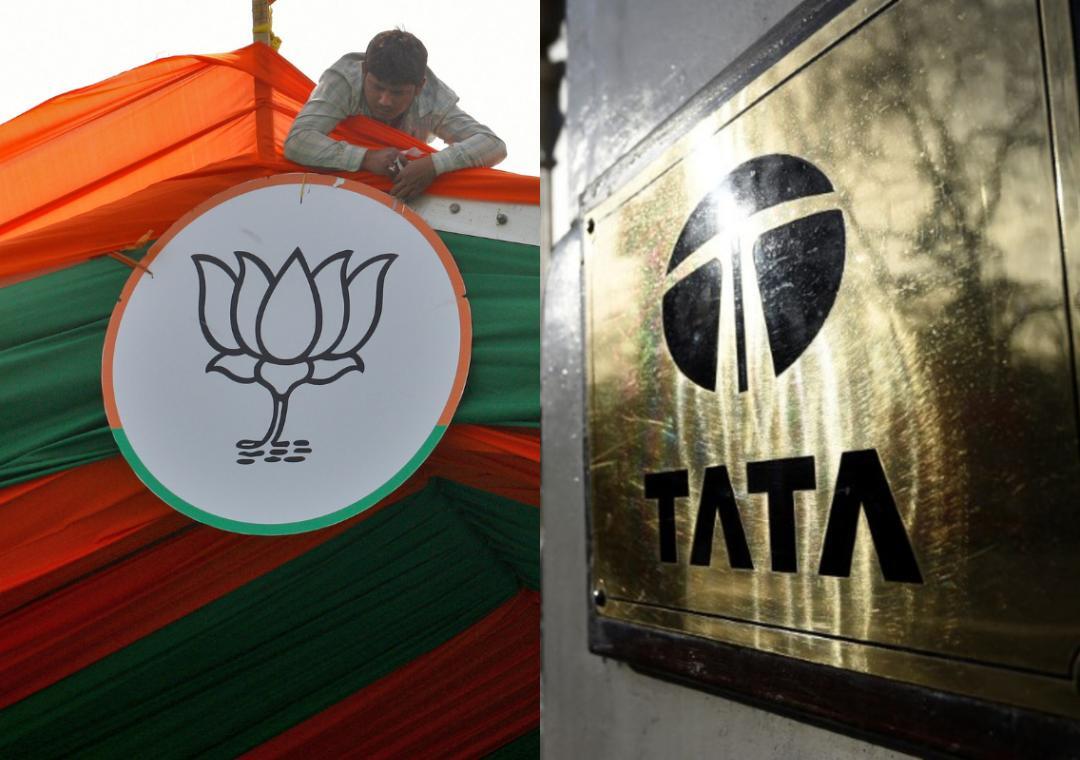
In a shocking revelation, the Tata Group has been reported to have donated a staggering ₹758 crore to the Bharatiya Janata Party (BJP) in April 2024, just weeks after the conglomerate received a significant subsidy of ₹44,000 crore for two of its semiconductor units. This massive donation, made on the eve of the 2024 Lok Sabha elections, has raised eyebrows and sparked debate about the cozy relationship between big business and politics in India.
According to reports, the donations made by the Tata Group accounted for nearly 83% of the group’s total contributions, with the Congress party receiving a paltry 8.4%. The donations were sourced from 15 different Tata companies, highlighting the group’s extensive reach and influence in the Indian economy. The sheer scale of the donation has led many to question the motivations behind such a massive outlay, particularly in the context of the recent subsidies received by the group for its semiconductor units.
The approval for the semiconductor units, which was granted just weeks before the donations were made, has sparked allegations of quid pro quo. The ₹44,000-crore subsidy is one of the largest ever granted by the Indian government, and it is natural to wonder whether the Tata Group’s generosity towards the BJP is linked to this significant windfall. While there is no concrete evidence to prove a direct link between the two, the timing of the donations and the subsidy approval does raise suspicions about the nature of the relationship between the Tata Group and the ruling party.
The donations made by the Tata Group are not surprising, given the group’s long history of engagement with politics in India. However, the scale of the donations and the timing, just before the Lok Sabha elections, have raised concerns about the potential impact on the electoral process. The fact that the Congress party received only a fraction of the amount donated to the BJP has also led to allegations of bias and partisanship.
The Tata Group’s donation to the BJP is also significant in the context of the broader trend of corporate donations to political parties in India. The Election Commission of India’s rules allow companies to donate up to 7.5% of their average net profit over the preceding three years to political parties. While this rule is intended to promote transparency and accountability, it has been criticized for allowing big business to exert undue influence over the political process.
The impact of corporate donations on the electoral process is a complex issue, with many arguing that it can lead to a disproportionate influence of big business over policy decisions. The fact that the Tata Group’s donations accounted for nearly 83% of the group’s total contributions raises concerns about the potential for undue influence and the erosion of democratic principles.
In response to the reports, the Tata Group has maintained that its donations are made in accordance with the law and are intended to promote the group’s business interests. However, the timing and scale of the donations have led many to question whether the group’s motivations are purely altruistic. The BJP, too, has denied any wrongdoing, arguing that the donations are a reflection of the party’s popularity and the confidence of the business community in its leadership.
As the debate over the Tata Group’s donations to the BJP continues, it is essential to consider the broader implications of corporate donations to political parties in India. While the Election Commission’s rules are intended to promote transparency and accountability, they may need to be revisited to ensure that the electoral process is not unduly influenced by big business. The fact that the Tata Group’s donations were sourced from 15 different companies highlights the need for greater transparency and disclosure in corporate donations to political parties.
In conclusion, the Tata Group’s donation of ₹758 crore to the BJP, weeks after the approval for its semiconductor units, has raised significant questions about the relationship between big business and politics in India. While the donations may be legal, they have sparked concerns about the potential for undue influence and the erosion of democratic principles. As India continues to grapple with the challenges of promoting transparency and accountability in the electoral process, it is essential to consider the implications of corporate donations to political parties and to ensure that the voices of all citizens are heard, not just those of big business.
About the Author