Tata Group donates ₹758 crore to BJP, weeks after approval for semiconductor units: Report
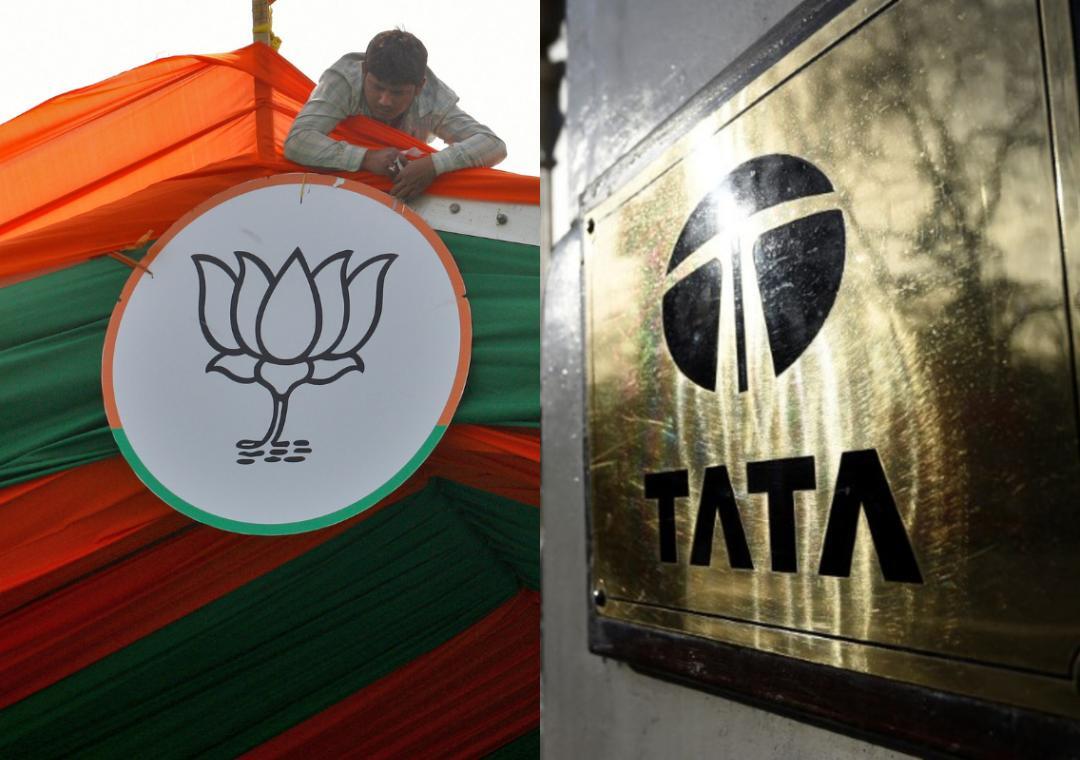
In a stunning revelation, the Tata Group, one of India’s largest conglomerates, has been reported to have donated a whopping ₹758 crore to the Bharatiya Janata Party (BJP) in April 2024. This massive donation came just weeks after the group received a substantial subsidy of ₹44,000 crore for two of its semiconductor units. The donations, which were made in the run-up to the 2024 Lok Sabha elections, have raised eyebrows and sparked controversy over the close ties between the corporate giant and the ruling party.
According to reports, the Tata Group’s donations to the BJP accounted for nearly 83% of its total contributions, with the Congress party receiving a paltry 8.4%. The donations were sourced from 15 different Tata companies, highlighting the depth of the group’s financial involvement in the electoral process. This significant investment in the BJP’s election campaign has led to questions about the potential quid pro quo and the implications for the country’s democratic fabric.
The subsidy of ₹44,000 crore for the semiconductor units, granted just weeks before the donations, has also raised suspicions about the timing and motivations behind the Tata Group’s generosity. The semiconductor industry is a critical sector, with the government keen to promote domestic manufacturing and reduce dependence on foreign imports. The Tata Group’s foray into this sector, backed by substantial government support, is seen as a strategic move to capitalize on the growing demand for semiconductors in India.
The close relationship between the Tata Group and the BJP has been a subject of speculation for some time. The group’s business interests span a wide range of sectors, including automotive, aviation, hospitality, and telecommunications, among others. With a significant presence in the Indian economy, the Tata Group’s influence extends beyond the business world, with its philanthropic and charitable initiatives also playing a notable role in shaping public policy and discourse.
The donations to the BJP, however, have sparked concerns about the potential for undue influence and crony capitalism. The fact that the Tata Group’s contributions accounted for such a large proportion of the BJP’s funding has raised questions about the party’s dependence on corporate largesse and the potential for policy favors in return. This is particularly worrying in the context of India’s electoral laws, which have been criticized for their lack of transparency and accountability.
The Indian electoral system is characterized by a lack of transparency in campaign financing, with parties often relying on undisclosed sources of funding. The Election Commission of India has been pushing for greater transparency and accountability in campaign finance, but the laws and regulations governing this area remain inadequate. The Tata Group’s donations to the BJP, made in the midst of an election campaign, highlight the need for more stringent regulations and disclosure requirements to prevent the undue influence of corporate interests in the electoral process.
The Congress party, which received a relatively small share of the Tata Group’s donations, has been quick to criticize the BJP’s reliance on corporate funding. The opposition party has argued that the donations are a clear example of the BJP’s crony capitalist tendencies and its willingness to favor big business interests over the needs of the common people. The Congress party has also demanded greater transparency in campaign financing, calling for stricter regulations to prevent the misuse of corporate funds in elections.
As the debate over the Tata Group’s donations to the BJP continues, it is essential to consider the broader implications of this development. The close ties between corporate giants and political parties can have far-reaching consequences for the country’s democratic institutions and the integrity of the electoral process. The concentration of economic power in the hands of a few large conglomerates can also lead to a lack of competition and innovation, undermining the country’s long-term economic growth and development.
In conclusion, the Tata Group’s donation of ₹758 crore to the BJP, weeks after receiving a substantial subsidy for its semiconductor units, has raised important questions about the relationship between corporate interests and political power in India. As the country navigates the complexities of its electoral system and the role of corporate funding in politics, it is essential to prioritize transparency, accountability, and fairness in the democratic process. The need for stricter regulations and disclosure requirements in campaign finance is clear, and it is up to the government and the Election Commission to ensure that the integrity of the electoral process is maintained.
About the Author