Tata Group donates ₹758 crore to BJP, weeks after approval for semiconductor units: Report
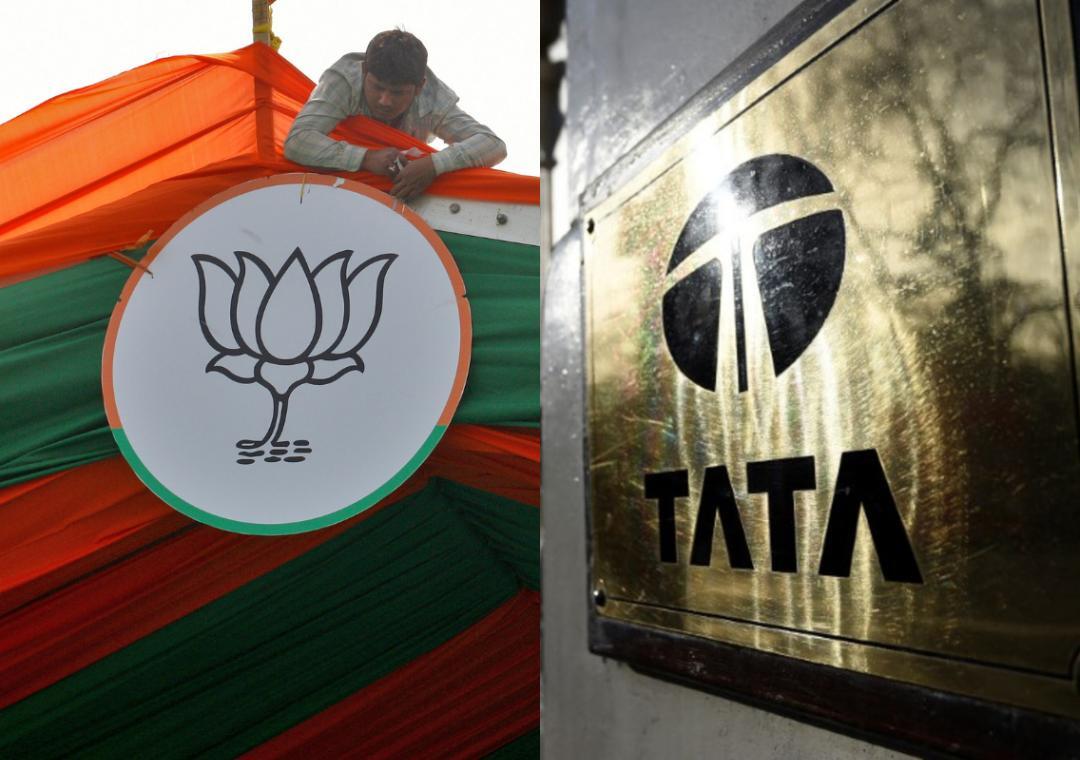
The Tata Group, one of India’s largest and most respected conglomerates, has been at the center of a controversy surrounding its donations to the Bharatiya Janata Party (BJP). According to recent reports, the Tata Group donated a staggering ₹758 crore to the BJP in April 2024, just weeks after the company received approval for two of its semiconductor units. This donation, which accounted for nearly 83% of the group’s total contributions, has raised eyebrows and sparked debate about the close relationship between the corporate giant and the ruling party.
The approval for the semiconductor units, which was granted in March 2024, came with a hefty price tag of ₹44,000 crore in subsidies. This significant investment by the government has been seen as a major boost to the Tata Group’s plans to expand its presence in the semiconductor industry. However, the timing of the donation to the BJP, which came just weeks after the approval, has led many to question the motivations behind the conglomerate’s actions.
The donations, which were sourced from 15 different Tata companies, were made in the run-up to the 2024 Lok Sabha elections. This has led to speculation that the Tata Group was attempting to curry favor with the ruling party, which is seeking to retain power in the upcoming elections. The fact that the Congress party, the main opposition to the BJP, received only 8.4% of the Tata Group’s total donations has further fueled these suspicions.
The close relationship between the Tata Group and the BJP has been a subject of interest for many years. The conglomerate has long been seen as a supporter of the party, and its donations have been a significant source of funding for the BJP’s election campaigns. However, the scale of the recent donation has raised concerns about the influence of corporate interests on the political process.
The semiconductor industry is a critical sector for India’s economic growth, and the government’s decision to provide subsidies to the Tata Group’s units has been seen as a major boost to the industry. However, the fact that the conglomerate has responded with such a large donation to the BJP has led many to question the fairness of the system. Is this a case of a corporate giant using its wealth and influence to shape the political landscape, or is it simply a coincidence that the donation came so soon after the approval for the semiconductor units?
The answer to this question is not clear, but one thing is certain: the Tata Group’s donation to the BJP has sparked a heated debate about the role of corporate interests in Indian politics. As the country prepares to go to the polls, the issue of campaign finance and the influence of big business on the political process is likely to be a major talking point.
In recent years, India has seen a significant increase in corporate donations to political parties. This has led to concerns about the impact of money on politics and the potential for corporate interests to influence government policy. The Tata Group’s donation to the BJP is just the latest example of this trend, and it is likely to fuel further debate about the need for greater transparency and accountability in campaign finance.
The fact that the Tata Group’s donation came from 15 different companies has also raised questions about the use of shell companies and other mechanisms to funnel money into politics. This is a complex issue, and one that requires careful scrutiny and regulation to prevent the misuse of corporate funds for political purposes.
As India continues to grapple with the challenges of campaign finance and corporate influence, the Tata Group’s donation to the BJP is a timely reminder of the need for greater transparency and accountability in the political process. Whether or not the donation was motivated by a desire to curry favor with the ruling party, it has certainly sparked a important debate about the role of corporate interests in Indian politics.
In conclusion, the Tata Group’s donation of ₹758 crore to the BJP is a significant development that has raised important questions about the relationship between corporate interests and the political process. As India prepares to go to the polls, it is essential that voters are aware of the issues at stake and the potential for corporate influence to shape the outcome of the election. By promoting greater transparency and accountability in campaign finance, India can ensure that its democracy remains vibrant and responsive to the needs of all citizens, not just the interests of big business.
About the Author