Tata Group donates ₹758 crore to BJP, weeks after approval for semiconductor units: Report
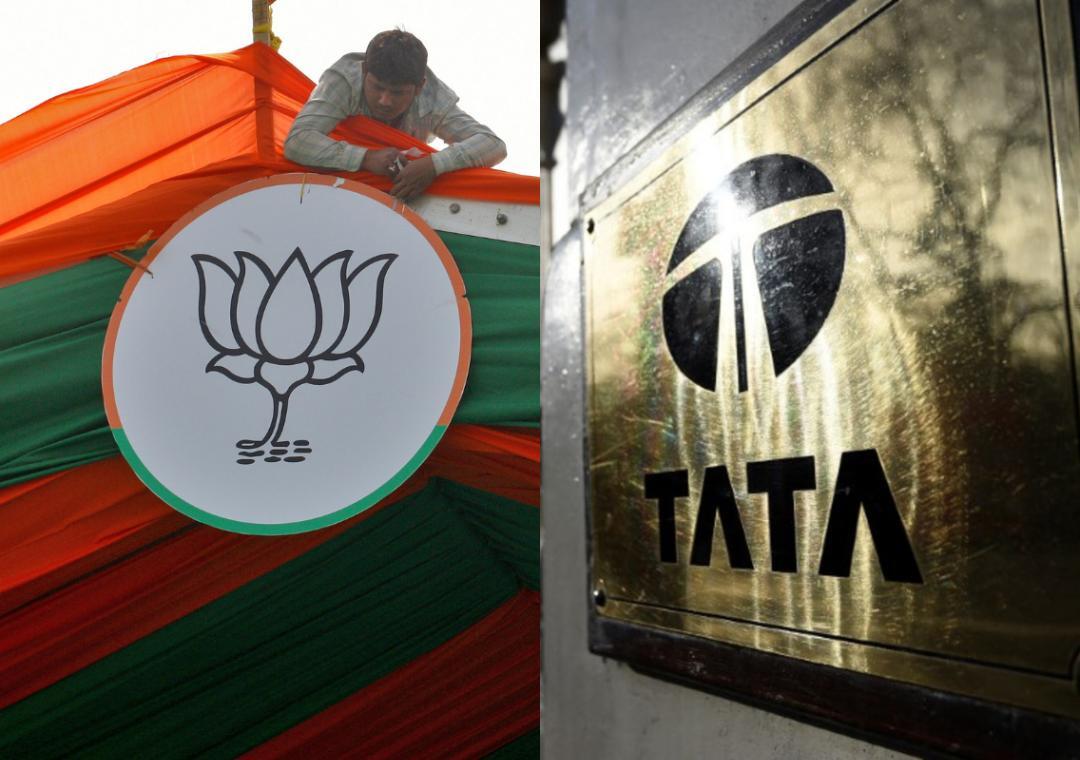
In a shocking revelation, the Tata Group, one of India’s largest conglomerates, has been reported to have donated a staggering ₹758 crore to the Bharatiya Janata Party (BJP) in April 2024. This massive donation came just weeks after the group received approval for subsidies worth ₹44,000 crore for two of its semiconductor units. The timing and magnitude of the donation have raised eyebrows, with many questioning the potential implications of such a large contribution to a political party.
According to reports, the donations were made just days before the 2024 Lok Sabha elections, with the BJP being the primary beneficiary. The Tata Group’s contributions accounted for nearly 83% of its total donations, with the Congress party receiving a meager 8.4%. The donations were sourced from 15 different Tata companies, highlighting the group’s extensive reach and influence in various sectors of the Indian economy.
The approval for the semiconductor units, which was granted just weeks before the donation, has sparked concerns about the potential quid pro quo involved in the deal. The ₹44,000-crore subsidy is one of the largest ever granted to a private company in India, and the fact that the Tata Group donated such a large sum to the BJP soon after has raised questions about the government’s role in facilitating the deal.
The semiconductor industry is a crucial sector for India’s economic growth, with the government actively seeking to promote domestic manufacturing and reduce dependence on foreign imports. The approval for the Tata Group’s semiconductor units is seen as a significant step towards achieving this goal, but the massive donation to the BJP has cast a shadow over the deal.
The Tata Group’s donation to the BJP is not an isolated incident. The company has a long history of contributing to political parties, with the BJP being a major beneficiary. However, the sheer size of the recent donation has sparked concerns about the potential influence of corporate interests on the government’s decision-making process.
The fact that the donation was made just before the Lok Sabha elections has also raised questions about the potential impact on the electoral outcome. The BJP’s victory in the elections has been attributed to various factors, including its strong campaign and the government’s populist policies. However, the massive donation from the Tata Group has sparked speculation about the role of corporate funding in the party’s success.
The Congress party, which received a relatively small donation of 8.4% from the Tata Group, has been critical of the deal, accusing the government of favoring the conglomerate. The party has demanded an investigation into the matter, alleging that the donation was made in exchange for the subsidies granted to the Tata Group’s semiconductor units.
The opposition party’s allegations have been dismissed by the BJP, which has maintained that the donation was made voluntarily and without any expectation of favors in return. However, the controversy surrounding the deal has highlighted the need for greater transparency and accountability in corporate donations to political parties.
In India, corporate donations to political parties are regulated by the Companies Act, which allows companies to donate up to 7.5% of their average net profits over the preceding three financial years. However, the law does not require companies to disclose the names of the parties they donate to, making it difficult to track the flow of funds.
The lack of transparency in corporate donations has been criticized by various stakeholders, including civil society organizations and opposition parties. The controversy surrounding the Tata Group’s donation to the BJP has highlighted the need for a more robust regulatory framework to ensure that corporate interests do not influence government decision-making.
In conclusion, the Tata Group’s donation of ₹758 crore to the BJP has raised significant concerns about the potential implications of corporate funding on government decision-making. The timing and magnitude of the donation, which came just weeks after the approval for subsidies to the group’s semiconductor units, have sparked allegations of quid pro quo and favoritism. The controversy surrounding the deal has highlighted the need for greater transparency and accountability in corporate donations to political parties, and the government must take steps to address these concerns and ensure that the integrity of the electoral process is maintained.
About the Author