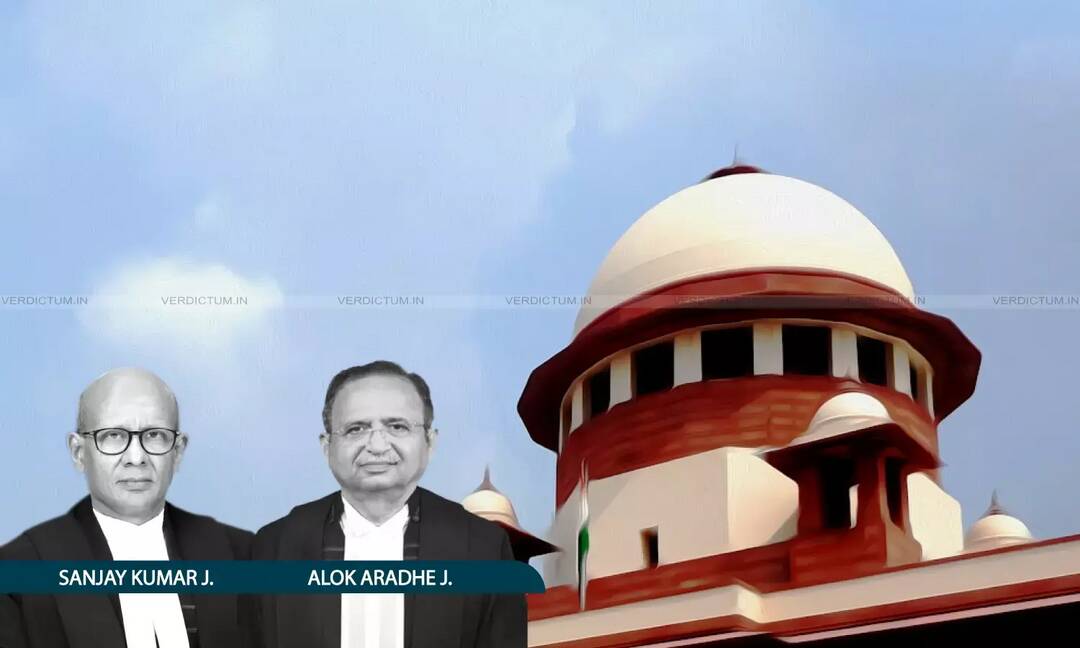
Substitution of sole arbitrator warranted once mandate ends: SC
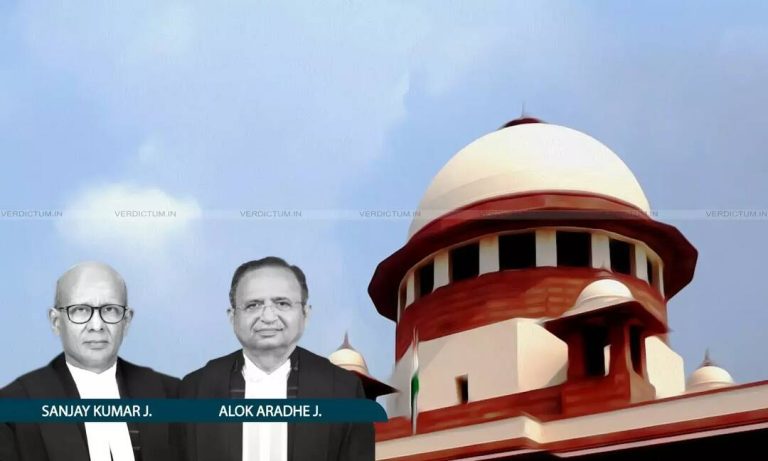
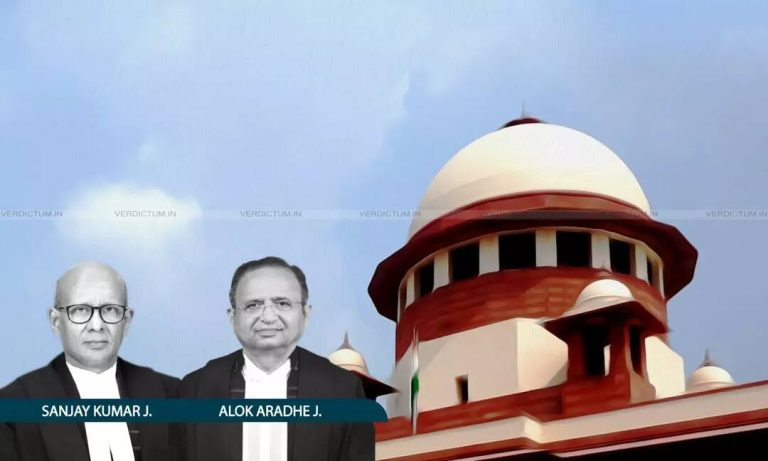
The Supreme Court of India has recently made a significant ruling regarding the substitution of a sole arbitrator in arbitration proceedings. The Court has held that the substitution of a sole arbitrator is warranted when their mandate ceases to exist. This judgment is crucial in understanding the nuances of arbitration law in India and the circumstances under which a sole arbitrator can be substituted.
The Court explained that on the expiry of the initial or extended period, the arbitrator cannot proceed, and their mandate terminates, subject to a court order passed in a proceeding under Section 29A(4) of the Arbitration and Conciliation Act. This means that once the arbitrator’s mandate comes to an end, they no longer have the authority to continue with the arbitration proceedings. In such cases, the substitution of the sole arbitrator is necessary to ensure that the arbitration proceedings can continue uninterrupted.
The Supreme Court’s ruling is based on the provisions of the Arbitration and Conciliation Act, 1996, which governs arbitration proceedings in India. The Act provides for the appointment of arbitrators, the conduct of arbitration proceedings, and the powers of the arbitrators. The Court’s interpretation of the Act highlights the importance of ensuring that arbitration proceedings are conducted in a fair and efficient manner.
The substitution of a sole arbitrator can be a complex process, and the Court’s ruling provides clarity on the circumstances under which it can be done. The Court has emphasized that the substitution of a sole arbitrator is warranted when their mandate ceases to exist, and it is necessary to ensure that the arbitration proceedings can continue without any interruption.
The implications of the Supreme Court’s ruling are significant, and it is likely to have a major impact on arbitration proceedings in India. The ruling emphasizes the importance of ensuring that arbitration proceedings are conducted in a fair and efficient manner, and that the rights of all parties involved are protected.
In recent years, India has seen a significant increase in the number of arbitration cases, and the Supreme Court’s ruling is likely to provide clarity and certainty to parties involved in arbitration proceedings. The ruling is also likely to promote confidence in the Indian arbitration system, which is essential for attracting foreign investment and promoting economic growth.
The Supreme Court’s ruling is also significant because it highlights the importance of ensuring that arbitration proceedings are conducted in accordance with the provisions of the Arbitration and Conciliation Act. The Act provides for a framework for the conduct of arbitration proceedings, and the Court’s ruling emphasizes the need for parties to adhere to this framework.
In conclusion, the Supreme Court’s ruling on the substitution of a sole arbitrator is a significant development in the field of arbitration law in India. The ruling provides clarity on the circumstances under which a sole arbitrator can be substituted and emphasizes the importance of ensuring that arbitration proceedings are conducted in a fair and efficient manner. The implications of the ruling are likely to be far-reaching, and it is likely to have a major impact on arbitration proceedings in India.
The Supreme Court’s judgment in the case of Mohan Lal Fatehpuria v. MS Bharat Textiles & Ors. (2025 INSC 1409) is a landmark ruling that is likely to be cited in future cases. The judgment is a testament to the Court’s commitment to upholding the principles of fairness and justice in arbitration proceedings.
As the Indian economy continues to grow and develop, the importance of arbitration as a means of dispute resolution is likely to increase. The Supreme Court’s ruling on the substitution of a sole arbitrator is a significant step towards promoting confidence in the Indian arbitration system and ensuring that arbitration proceedings are conducted in a fair and efficient manner.
Read the full news here: https://www.verdictum.in/court-updates/supreme-court/mohan-lal-fatehpuria-v-ms-bharat-textiles-ors-2025-insc-1409-substitution-sole-arbitrator-mandate-ceases-exist-1600780
About the Author