Substitution of sole arbitrator warranted once mandate ends: SC
The Supreme Court of India has recently made a significant ruling regarding the substitution of a sole arbitrator in arbitration proceedings. The Court has held that the substitution of a sole arbitrator is warranted when their mandate ceases to exist. This ruling is expected to have a profound impact on the arbitration landscape in India, providing clarity on the process of substituting a sole arbitrator and the circumstances under which such substitution is necessary.
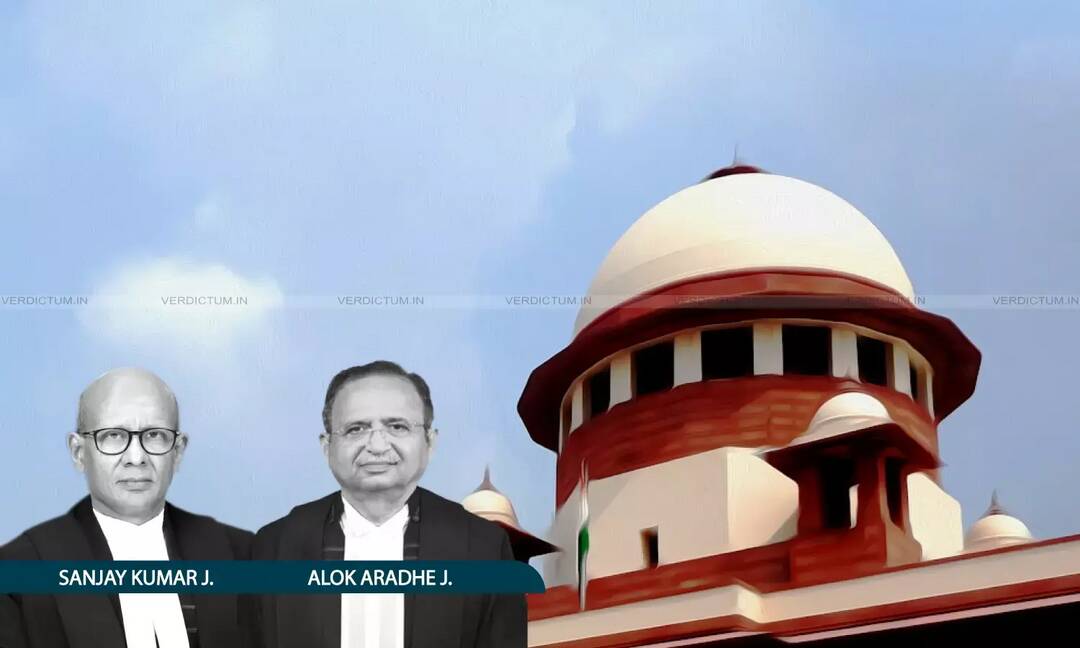
The Court’s decision came in the case of Mohan Lal Fatehpuria v. MS Bharat Textiles & Ors., where the issue of substitution of a sole arbitrator was raised. The Court explained that on the expiry of the initial or extended period, the arbitrator cannot proceed, and their mandate terminates, subject to a court order passed in a proceeding under Section 29A(4) of the Arbitration and Conciliation Act. This means that once the sole arbitrator’s mandate comes to an end, they no longer have the authority to continue with the arbitration proceedings, and a substitution is necessary to ensure that the proceedings can continue uninterrupted.
The Arbitration and Conciliation Act, 1996, provides for the appointment of arbitrators and the conduct of arbitration proceedings. Section 29A of the Act deals with the time limit for making an arbitral award. According to this section, the arbitral award shall be made within a period of 12 months from the date of completion of the pleadings. The Court may extend this period for a further period of six months, but not thereafter. If the arbitrator fails to make an award within the specified time limit, their mandate comes to an end, and a substitution is warranted.
The Supreme Court’s ruling is significant because it provides clarity on the process of substituting a sole arbitrator. The Court has made it clear that the substitution of a sole arbitrator is not a discretionary decision, but rather a necessary step to ensure that the arbitration proceedings can continue uninterrupted. The Court has also emphasized that the substitution of a sole arbitrator is subject to a court order passed in a proceeding under Section 29A(4) of the Arbitration and Conciliation Act.
The implications of this ruling are far-reaching. It means that parties to an arbitration agreement must be aware of the time limits specified in the Arbitration and Conciliation Act and must take steps to ensure that the arbitration proceedings are completed within the specified time limit. If the arbitrator fails to make an award within the specified time limit, the parties must apply to the Court for an extension of time or for the substitution of the arbitrator.
The ruling also highlights the importance of careful planning and management of arbitration proceedings. Parties must ensure that the arbitration agreement is carefully drafted, and the arbitrator is appointed in accordance with the provisions of the Arbitration and Conciliation Act. The parties must also ensure that the arbitration proceedings are conducted in a timely and efficient manner, and that the arbitrator is aware of the time limits specified in the Act.
In conclusion, the Supreme Court’s ruling on the substitution of a sole arbitrator is a significant development in the arbitration landscape in India. The ruling provides clarity on the process of substituting a sole arbitrator and the circumstances under which such substitution is necessary. It highlights the importance of careful planning and management of arbitration proceedings and emphasizes the need for parties to be aware of the time limits specified in the Arbitration and Conciliation Act.
The full details of the case can be found at:
https://www.verdictum.in/court-updates/supreme-court/mohan-lal-fatehpuria-v-ms-bharat-textiles-ors-2025-insc-1409-substitution-sole-arbitrator-mandate-ceases-exist-1600780
This ruling is expected to have a profound impact on the arbitration landscape in India, and it is essential for parties to be aware of the implications of this ruling and to take steps to ensure that their arbitration agreements are carefully drafted and that the arbitration proceedings are conducted in a timely and efficient manner.
The Supreme Court’s decision is a welcome development, as it provides clarity and certainty to the arbitration process. It is expected that this ruling will lead to a more efficient and effective arbitration process, which will benefit all parties involved. The ruling is also expected to reduce the scope for delays and disputes, which can often arise in arbitration proceedings.
In the future, it is likely that we will see more cases being decided in accordance with this ruling, and it will be interesting to see how the courts interpret and apply this ruling in different contexts. For now, the ruling provides a clear and authoritative statement of the law, and it is essential for parties to be aware of the implications of this ruling and to take steps to ensure that their arbitration agreements are carefully drafted and that the arbitration proceedings are conducted in a timely and efficient manner.
About the Author