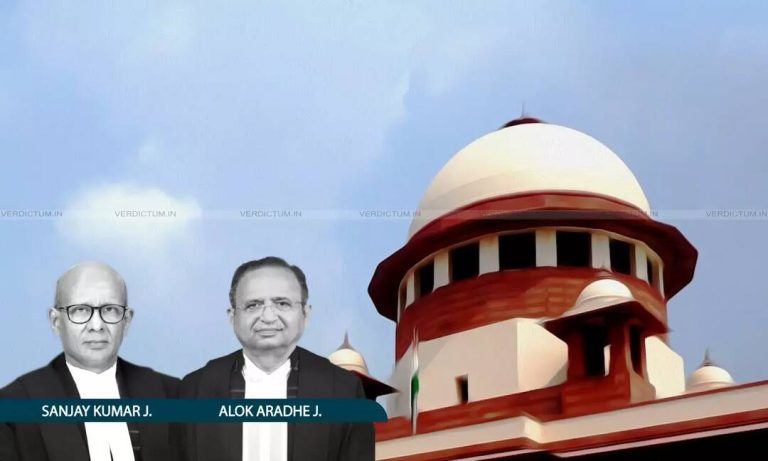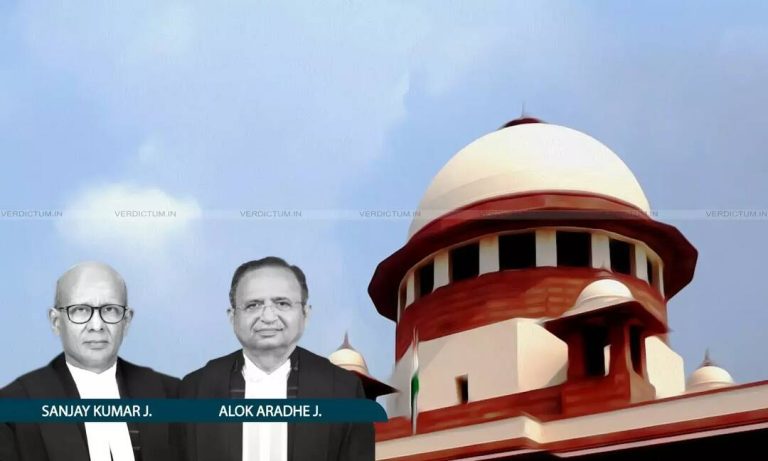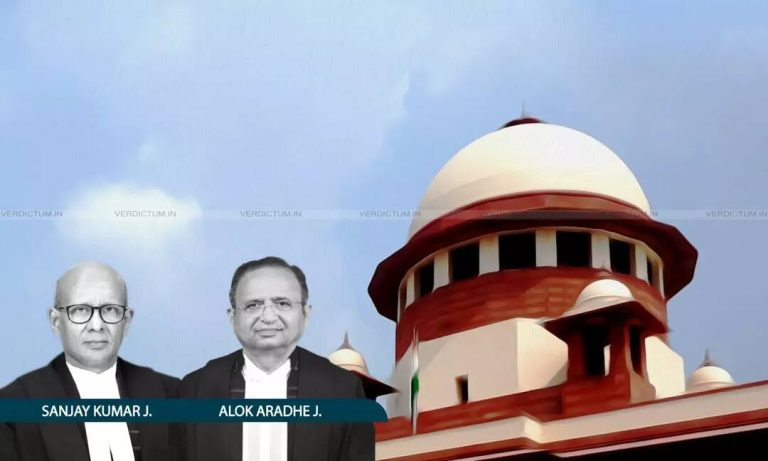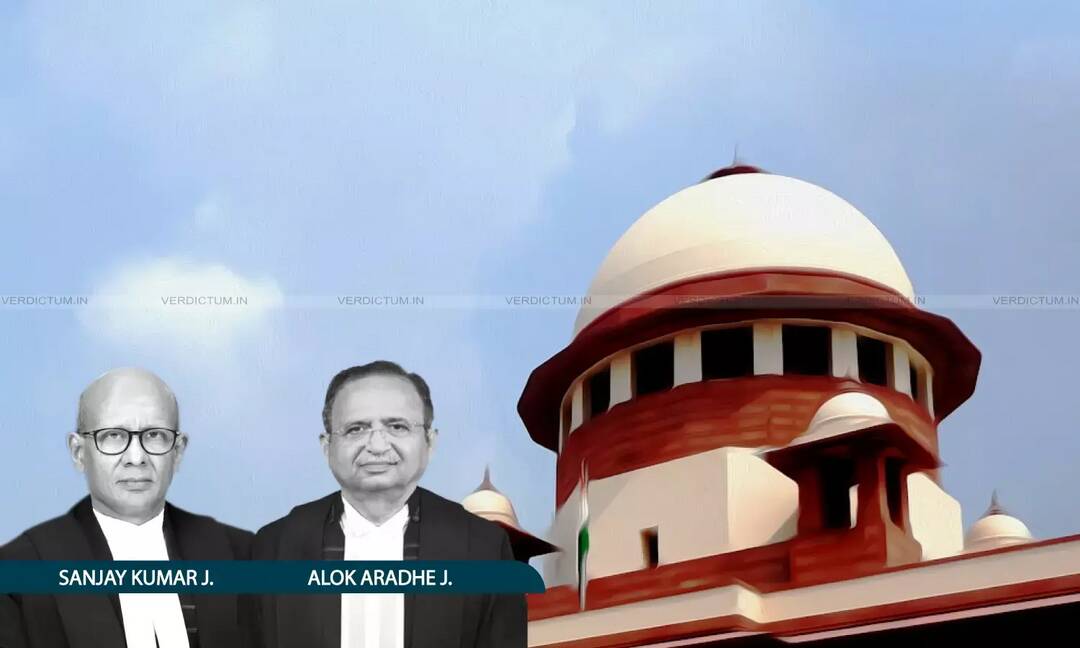
Substitution of sole arbitrator warranted once mandate ends: SC
The Supreme Court of India has recently made a significant ruling regarding the substitution of a sole arbitrator in arbitration proceedings. The Court has held that the substitution of a sole arbitrator is warranted when their mandate ceases to exist. This judgment is a crucial development in the field of arbitration law and has important implications for parties involved in arbitration proceedings.
The Court’s decision was made in the case of Mohan Lal Fatehpuria v. MS Bharat Textiles & Ors. (2025 INSC 1409), where the issue of substitution of a sole arbitrator was raised. The Court explained that on the expiry of the initial or extended period, the arbitrator cannot proceed, and their mandate terminates, subject to a court order passed in a proceeding under Section 29A(4) of the Arbitration and Conciliation Act.
The Arbitration and Conciliation Act, 1996, governs arbitration proceedings in India. The Act provides for the appointment of arbitrators, the conduct of arbitration proceedings, and the enforcement of arbitration awards. Section 29A of the Act deals with the time limit for making an arbitral award. According to this section, the arbitral tribunal shall make its award within a period of twelve months from the date of its constitution. However, the parties may agree to extend this period.
The Supreme Court’s ruling makes it clear that the substitution of a sole arbitrator is necessary when their mandate ceases to exist. This means that if the arbitrator’s term expires or is terminated, a new arbitrator must be appointed to continue the arbitration proceedings. This ensures that the arbitration process is not delayed or hindered due to the unavailability of the original arbitrator.
The Court’s decision is based on the principle that the arbitrator’s mandate is limited to the period specified in the agreement or the law. Once this period expires, the arbitrator’s authority to act as an arbitrator comes to an end. The parties may agree to extend the arbitrator’s term, but if they do not, the arbitrator’s mandate ceases to exist.
The substitution of a sole arbitrator can be a complex and contentious issue. The parties may disagree on the appointment of a new arbitrator, or the arbitrator may refuse to step down. In such cases, the Court’s intervention may be necessary to ensure that the arbitration proceedings are conducted fairly and efficiently.
The Supreme Court’s ruling is significant because it provides clarity on the issue of substitution of a sole arbitrator. The decision makes it clear that the substitution of a sole arbitrator is warranted when their mandate ceases to exist, and that the parties must appoint a new arbitrator to continue the arbitration proceedings.
The implications of this ruling are far-reaching. It means that parties involved in arbitration proceedings must be aware of the arbitrator’s term and plan accordingly. If the arbitrator’s term expires or is terminated, the parties must appoint a new arbitrator to continue the proceedings. This requires careful planning and coordination to ensure that the arbitration process is not delayed or hindered.
In conclusion, the Supreme Court’s ruling on the substitution of a sole arbitrator is a significant development in the field of arbitration law. The decision provides clarity on the issue of substitution of a sole arbitrator and makes it clear that the substitution is warranted when the arbitrator’s mandate ceases to exist. Parties involved in arbitration proceedings must be aware of this ruling and plan accordingly to ensure that the arbitration process is conducted fairly and efficiently.
The decision of the Supreme Court is a welcome development, as it provides clarity and certainty to the parties involved in arbitration proceedings. It also ensures that the arbitration process is not delayed or hindered due to the unavailability of the original arbitrator.
The Supreme Court’s ruling is a reminder that the arbitration process is a complex and nuanced one, requiring careful planning and coordination. The parties involved in arbitration proceedings must be aware of the applicable laws and regulations, as well as the procedures and protocols that govern the arbitration process.
In summary, the Supreme Court’s ruling on the substitution of a sole arbitrator is a significant development in the field of arbitration law. The decision provides clarity on the issue of substitution of a sole arbitrator and makes it clear that the substitution is warranted when the arbitrator’s mandate ceases to exist. Parties involved in arbitration proceedings must be aware of this ruling and plan accordingly to ensure that the arbitration process is conducted fairly and efficiently.
About the Author