Substitution of sole arbitrator warranted once mandate ends: SC
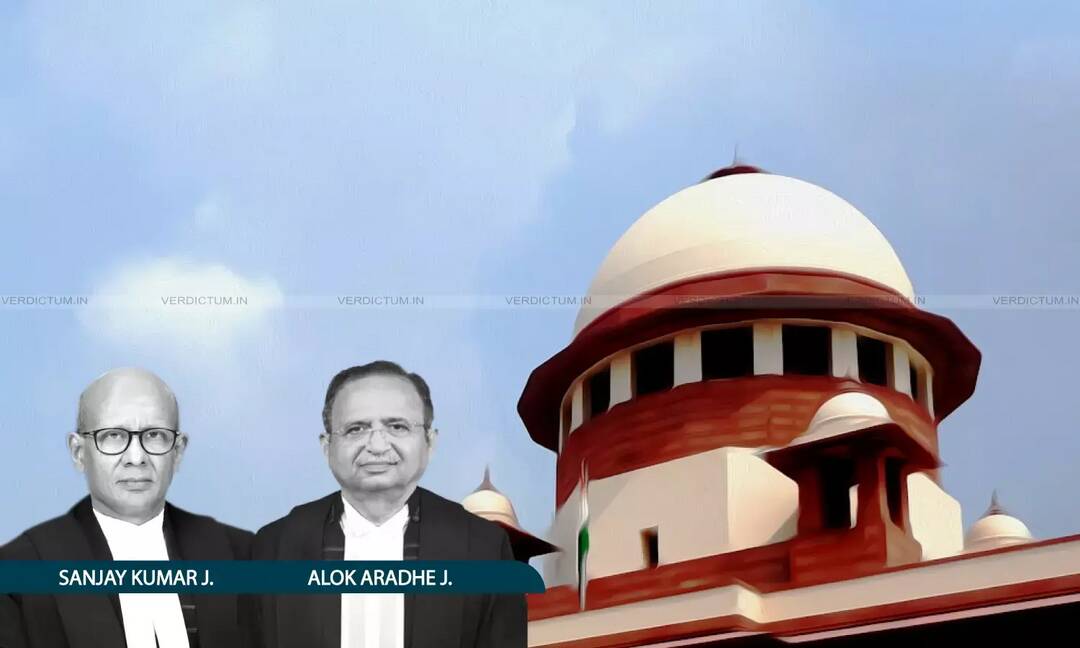
The Supreme Court of India has delivered a significant judgment regarding the substitution of a sole arbitrator, highlighting the circumstances under which such substitution is warranted. The Court’s decision emphasizes the importance of the arbitrator’s mandate and its impact on the arbitration proceedings. In a recent case, the apex court has held that the substitution of a sole arbitrator is indeed warranted when their mandate ceases to exist.
The judgment, which has far-reaching implications for arbitration proceedings in India, clarifies the position of law regarding the termination of an arbitrator’s mandate and the subsequent substitution of a new arbitrator. According to the Court, when the mandate of a sole arbitrator expires, either due to the completion of the initial or extended period, the arbitrator can no longer proceed with the arbitration proceedings. In such cases, the arbitrator’s mandate is deemed to have terminated, subject to a court order passed in a proceeding under Section 29A(4) of the Arbitration and Conciliation Act.
The Arbitration and Conciliation Act, 1996, is the primary legislation governing arbitration in India. The Act provides a framework for the conduct of arbitration proceedings, including the appointment, powers, and duties of arbitrators. Section 29A(4) of the Act specifically deals with the termination of an arbitrator’s mandate and the substitution of a new arbitrator. The provision states that the mandate of an arbitrator shall terminate if the arbitrator becomes de jure or de facto unable to perform his functions or if the arbitrator fails to act within the time limit specified in the arbitration agreement.
The Supreme Court’s decision in this case is significant because it emphasizes the importance of the arbitrator’s mandate and the need for substitution when the mandate ceases to exist. The Court’s judgment is based on a straightforward interpretation of the Arbitration and Conciliation Act, which provides that an arbitrator’s mandate is limited to a specific period. Once this period expires, the arbitrator’s authority to act as an arbitrator comes to an end, and a new arbitrator must be appointed to continue the proceedings.
The implications of this judgment are far-reaching, as it affects the conduct of arbitration proceedings in India. Arbitration is a popular method of dispute resolution in India, and the appointment of a sole arbitrator is a common practice. The Supreme Court’s decision provides clarity on the circumstances under which a sole arbitrator’s mandate can be terminated and a new arbitrator can be appointed. This clarity will help parties to arbitration agreements and arbitrators themselves to understand their roles and responsibilities.
Furthermore, the judgment highlights the importance of timely completion of arbitration proceedings. The Arbitration and Conciliation Act provides for a time limit within which arbitration proceedings must be completed. The Supreme Court’s decision emphasizes that the arbitrator’s mandate is limited to this time period, and if the proceedings are not completed within the specified time, the arbitrator’s mandate will terminate. This will encourage parties to arbitration agreements to ensure that the proceedings are completed in a timely manner and will prevent delays in the resolution of disputes.
In conclusion, the Supreme Court’s judgment on the substitution of a sole arbitrator is a significant development in the field of arbitration in India. The judgment provides clarity on the circumstances under which a sole arbitrator’s mandate can be terminated and a new arbitrator can be appointed. It emphasizes the importance of the arbitrator’s mandate and the need for timely completion of arbitration proceedings. The decision will have far-reaching implications for arbitration proceedings in India and will help to ensure that disputes are resolved efficiently and effectively.
About the Author