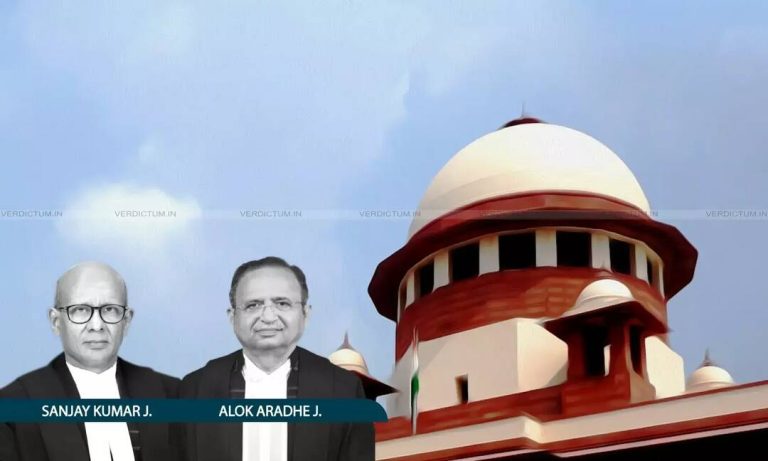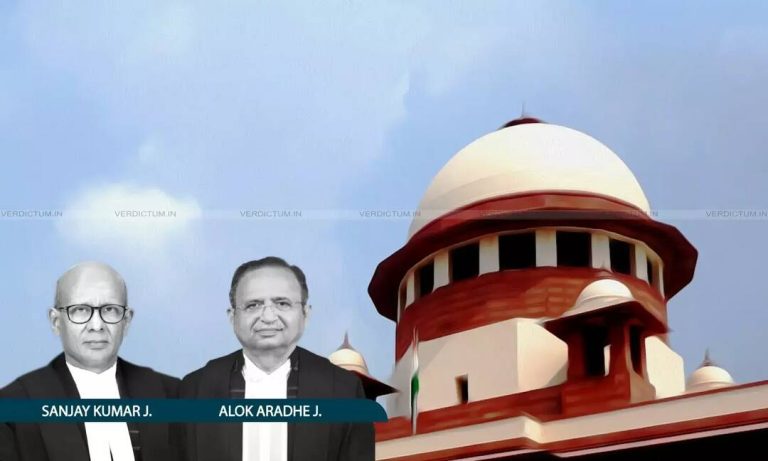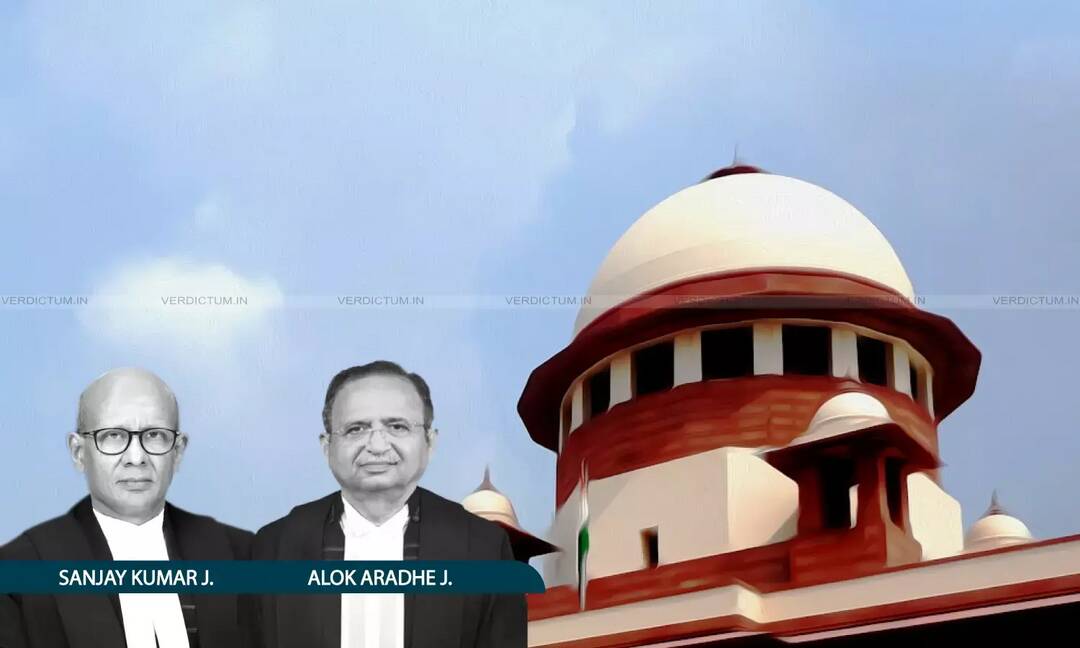
Substitution of sole arbitrator warranted once mandate ends: SC
The Supreme Court of India has recently made a significant ruling regarding the substitution of a sole arbitrator in arbitration proceedings. The Court has held that the substitution of a sole arbitrator is warranted when their mandate ceases to exist. This judgment has far-reaching implications for arbitration law in India and provides clarity on the circumstances under which a sole arbitrator can be substituted.
The Court’s decision was made in the case of Mohan Lal Fatehpuria vs. MS Bharat Textiles & Ors, where the issue of substitution of a sole arbitrator arose. The Court explained that on the expiry of the initial or extended period, the arbitrator cannot proceed, and their mandate terminates, subject to a court order passed in a proceeding under Section 29A(4) of the Arbitration and Conciliation Act.
Understanding the Arbitration and Conciliation Act
The Arbitration and Conciliation Act, 1996, is the primary legislation governing arbitration in India. The Act provides a framework for arbitration, including the appointment of arbitrators, the conduct of arbitration proceedings, and the enforcement of arbitration awards. Section 29A of the Act deals with the time limit for making an arbitral award, which is typically 12 months from the date the arbitrator enters upon the reference.
Mandate of a Sole Arbitrator
A sole arbitrator is appointed to resolve disputes between parties in an arbitration proceeding. The arbitrator’s mandate is to conduct a fair and impartial hearing, consider the evidence and arguments presented by the parties, and make a binding award. The arbitrator’s mandate is typically defined by the agreement between the parties or by the applicable law.
Termination of Mandate
The arbitrator’s mandate can terminate in several ways, including:
- Expiry of the initial or extended period: The arbitrator’s mandate ceases to exist when the initial or extended period for making an award expires.
- Resignation: The arbitrator can resign from their position, either voluntarily or due to circumstances beyond their control.
- Removal: The arbitrator can be removed by the parties or by a court order, typically for reasons such as bias, conflict of interest, or inability to perform their functions.
Substitution of a Sole Arbitrator
When the mandate of a sole arbitrator ceases to exist, the question arises as to whether the arbitrator can be substituted. The Supreme Court has now clarified that substitution is warranted in such circumstances. The substitution of a sole arbitrator is necessary to ensure that the arbitration proceeding can continue uninterrupted and that the parties’ rights are protected.
Implications of the Judgment
The Supreme Court’s judgment has significant implications for arbitration law in India. It provides clarity on the circumstances under which a sole arbitrator can be substituted and ensures that arbitration proceedings can continue smoothly even when the initial arbitrator’s mandate ceases to exist.
The judgment also highlights the importance of careful planning and drafting of arbitration agreements. Parties must consider the possibility of the arbitrator’s mandate terminating and provide for substitution or alternative arrangements in their agreement.
Conclusion
In conclusion, the Supreme Court’s judgment in Mohan Lal Fatehpuria vs. MS Bharat Textiles & Ors is a significant development in arbitration law in India. The Court’s ruling that substitution of a sole arbitrator is warranted when their mandate ceases to exist provides clarity and certainty for parties involved in arbitration proceedings. As the Indian judiciary continues to evolve and refine arbitration law, it is essential for parties to stay informed and adapt to the changing landscape.
About the Author