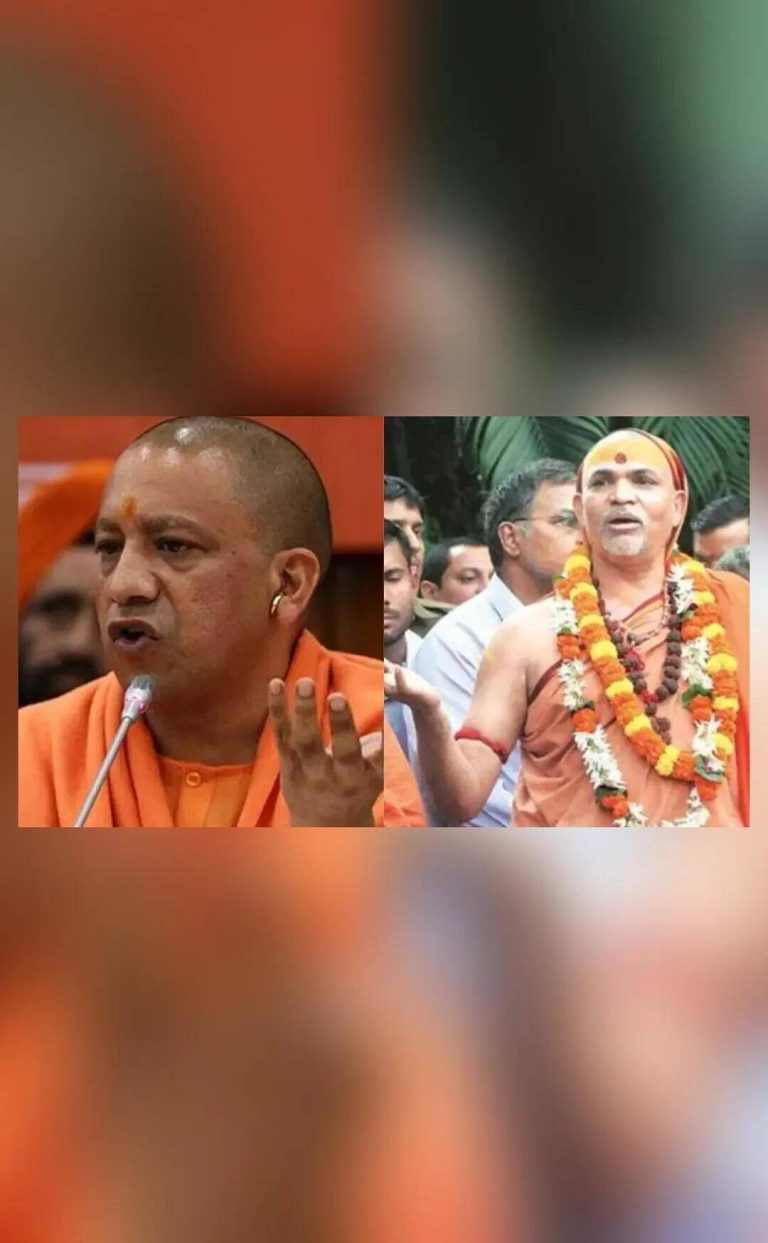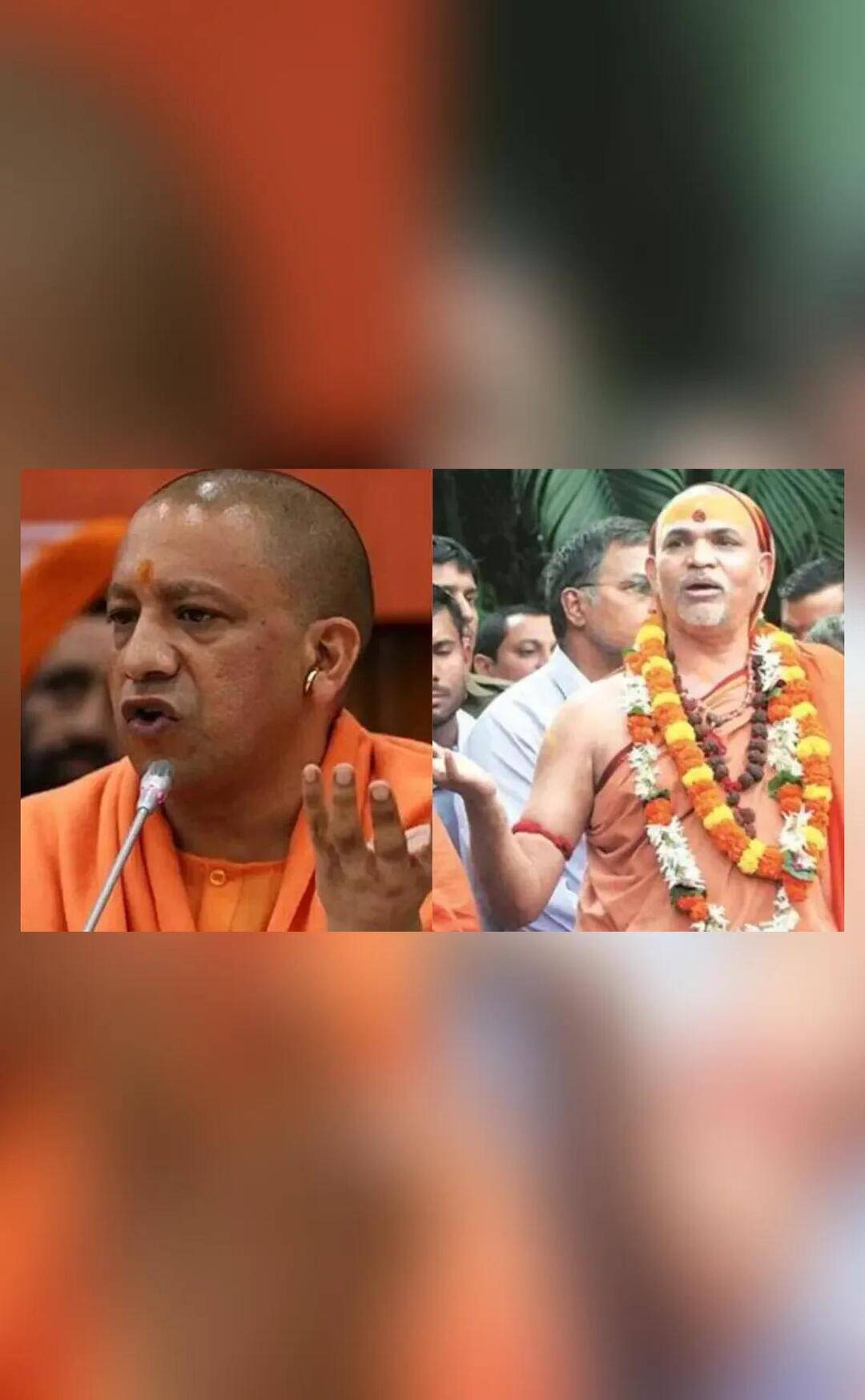
Prove you are Hindu, ban beef export: Shankaracharya to CM Yogi
In a bold and provocative statement, Shankaracharya Swami Avimukteshwaranad Saraswati has given a 40-day “ultimatum” to Uttar Pradesh Chief Minister Yogi Adityanath to prove his commitment to Hindu values. The revered Hindu seer has demanded that the CM take immediate action to halt beef exports from the state and declare the cow as ‘Rajya Mata’ (mother of the state). This ultimatum comes after Shankaracharya returned to his Varanasi math following a prolonged protest over allegedly being stopped by the administration from taking a holy dip during the Prayagraj Magh Mela.
The Shankaracharya’s statement has sparked a heated debate across the country, with many questioning the motivations behind his demands. While some have hailed him as a champion of Hindu values, others have criticized him for attempting to dictate policy to the state government. Nevertheless, the fact remains that the Shankaracharya’s words carry significant weight, and his ultimatum has put the Yogi Adityanath government in a precarious position.
At the heart of the issue is the sensitive topic of cow protection, which has long been a contentious issue in Indian politics. The cow is considered a sacred animal in Hinduism, and many Hindus believe that it is their duty to protect and reverence it. However, the reality is that India is also a major exporter of beef, with many states, including Uttar Pradesh, having a significant beef industry. The demand to ban beef exports is, therefore, a complex one, with significant economic and social implications.
Shankaracharya’s demand to declare the cow as ‘Rajya Mata’ is also a highly symbolic one. The term ‘Rajya Mata’ is typically used to refer to the mother of a king or a monarch, and by using this term, the Shankaracharya is, in effect, elevating the cow to a position of utmost reverence and respect. This demand is likely to resonate with many Hindus, who view the cow as a sacred and revered animal. However, it is also likely to be met with resistance from those who view it as an attempt to impose a particular brand of Hinduism on the state.
The Yogi Adityanath government, which has been vocal about its commitment to Hindu values, is likely to face significant pressure to respond to the Shankaracharya’s demands. The CM, who has been known for his tough stance on issues related to Hinduism, may be tempted to accede to the Shankaracharya’s demands in order to burnish his Hindu credentials. However, doing so would likely have significant consequences, including the potential loss of revenue from beef exports and the alienation of non-Hindu communities.
In recent years, the Yogi Adityanath government has taken several steps to promote Hindu values and protect the cow. The state has enacted strict laws against cow slaughter, and the CM has been vocal about his commitment to protecting the animal. However, the Shankaracharya’s demands take the issue to a whole new level, and it remains to be seen how the government will respond.
The 40-day ultimatum given by the Shankaracharya has also raised questions about the limits of religious leaders in influencing government policy. While it is understandable that religious leaders may have strong opinions on issues related to their faith, it is also important to recognize that the government has a responsibility to balance competing interests and make decisions that are in the best interests of all citizens. The fact that the Shankaracharya has given an ultimatum to the CM has raised concerns about the potential for religious leaders to dictate policy, and the implications this could have for the secular fabric of the country.
In conclusion, the Shankaracharya’s demand to ban beef exports and declare the cow as ‘Rajya Mata’ has sparked a heated debate across the country. While the issue is complex and multifaceted, it is clear that the Yogi Adityanath government will face significant pressure to respond to the Shankaracharya’s demands. As the 40-day ultimatum ticks away, it remains to be seen how the government will balance competing interests and make a decision that is in the best interests of all citizens.
About the Author