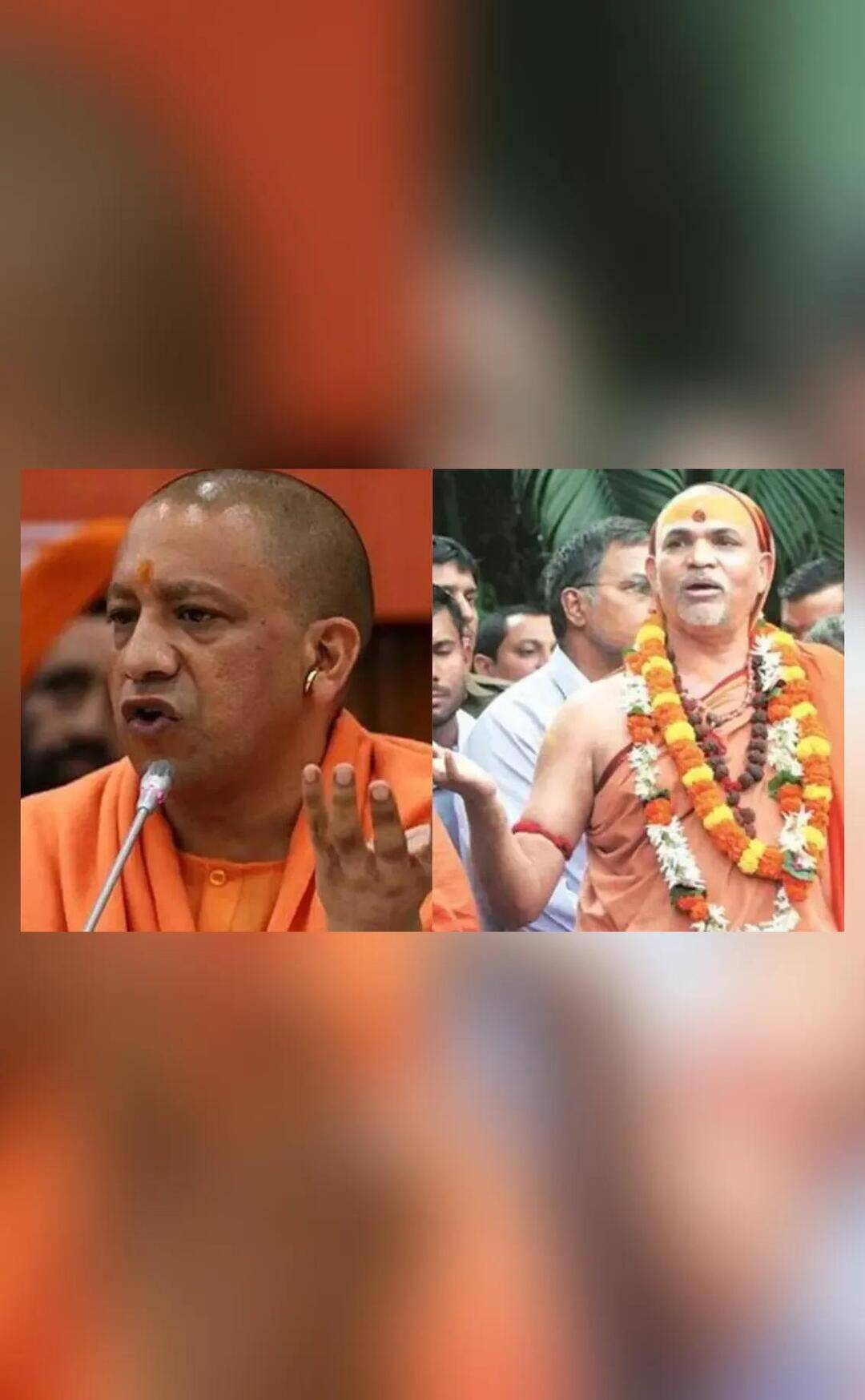
Prove you are Hindu, ban beef export: Shankaracharya to CM Yogi
In a bold move, Shankaracharya Swami Avimukteshwaranad Saraswati has given a 40-day “ultimatum” to Uttar Pradesh Chief Minister Yogi Adityanath to prove his commitment to Hindu values. The ultimatum comes with two key demands: halting beef exports from the state of Uttar Pradesh and declaring the cow as ‘Rajya Mata’ (Mother of the State). This development comes after the Shankaracharya returned to his Varanasi math following a period of protest over being allegedly stopped by the administration from taking a holy dip during the Prayagraj Magh Mela.
The Shankaracharya’s demands are rooted in the belief that the cow is a sacred animal in Hinduism and that its protection is a fundamental aspect of Hindu values. By demanding that the Uttar Pradesh government halt beef exports, the Shankaracharya is essentially calling upon the government to respect and uphold these values. Furthermore, by declaring the cow as ‘Rajya Mata’, the Shankaracharya is seeking to elevate the status of the cow to that of a revered and protected entity, akin to a mother figure.
The context of this ultimatum is significant, given the recent events surrounding the Prayagraj Magh Mela. The Shankaracharya had been protesting the alleged interference by the administration, which he claimed had prevented him from taking a holy dip during the festivities. This incident had sparked a wave of controversy, with many questioning the role of the administration in regulating religious activities.
The demand to ban beef exports is also noteworthy, given the economic implications of such a move. Uttar Pradesh is a significant producer of beef, and a ban on exports could have far-reaching consequences for the state’s economy. However, for the Shankaracharya and his supporters, the issue is not economic but rather one of principle and values. They argue that the export of beef is a violation of Hindu values and that the government has a moral obligation to prevent it.
The response of the Uttar Pradesh government to the Shankaracharya’s ultimatum will be closely watched in the coming days. While the government has not yet officially responded to the demands, it is likely that the issue will spark a heated debate. On one hand, the government may be inclined to accommodate the Shankaracharya’s demands, given the significant influence he wields among Hindu voters. On the other hand, the government may also be mindful of the economic implications of a ban on beef exports and the potential backlash from other sections of society.
Ultimately, the outcome of this ultimatum will depend on a variety of factors, including the government’s willingness to engage with the Shankaracharya’s demands and the level of support he receives from other Hindu groups and organizations. One thing is certain, however: the issue has brought to the forefront the complex and often contentious relationship between religion, politics, and economics in India.
As the 40-day deadline approaches, all eyes will be on the Uttar Pradesh government and its response to the Shankaracharya’s demands. Will the government choose to accommodate the demands, or will it resist the pressure? Only time will tell. For now, the Shankaracharya’s ultimatum has sparked a vital conversation about the role of religion in Indian society and the obligations of governments to respect and uphold the values of their citizens.
The situation is a delicate one, and the government must tread carefully to avoid alienating any section of society. The Shankaracharya’s demands may be seen as a test of the government’s commitment to Hindu values, but they also raise important questions about the limits of religious influence in politics and the need to balance competing interests and values.
As the debate unfolds, it is essential to consider the broader implications of the Shankaracharya’s demands. What does it mean to “prove” one’s commitment to Hindu values, and how should governments respond to demands that are rooted in religious beliefs? How can governments balance the need to respect and uphold religious values with the need to protect the rights and interests of all citizens, regardless of their religious affiliation?
These are complex questions, and there are no easy answers. However, one thing is clear: the Shankaracharya’s ultimatum has brought to the forefront important issues that require careful consideration and nuanced debate. As the situation unfolds, it is essential to approach the discussion with sensitivity, respect, and a commitment to understanding the diverse perspectives and values that are at play.
For more information, visit: https://indianexpress.com/article/cities/lucknow/swami-saraswati-40-day-ultimatum-cm-yogi-adityanath-to-declare-gau-mata-as-rajya-mata-10503411/lite/
About the Author