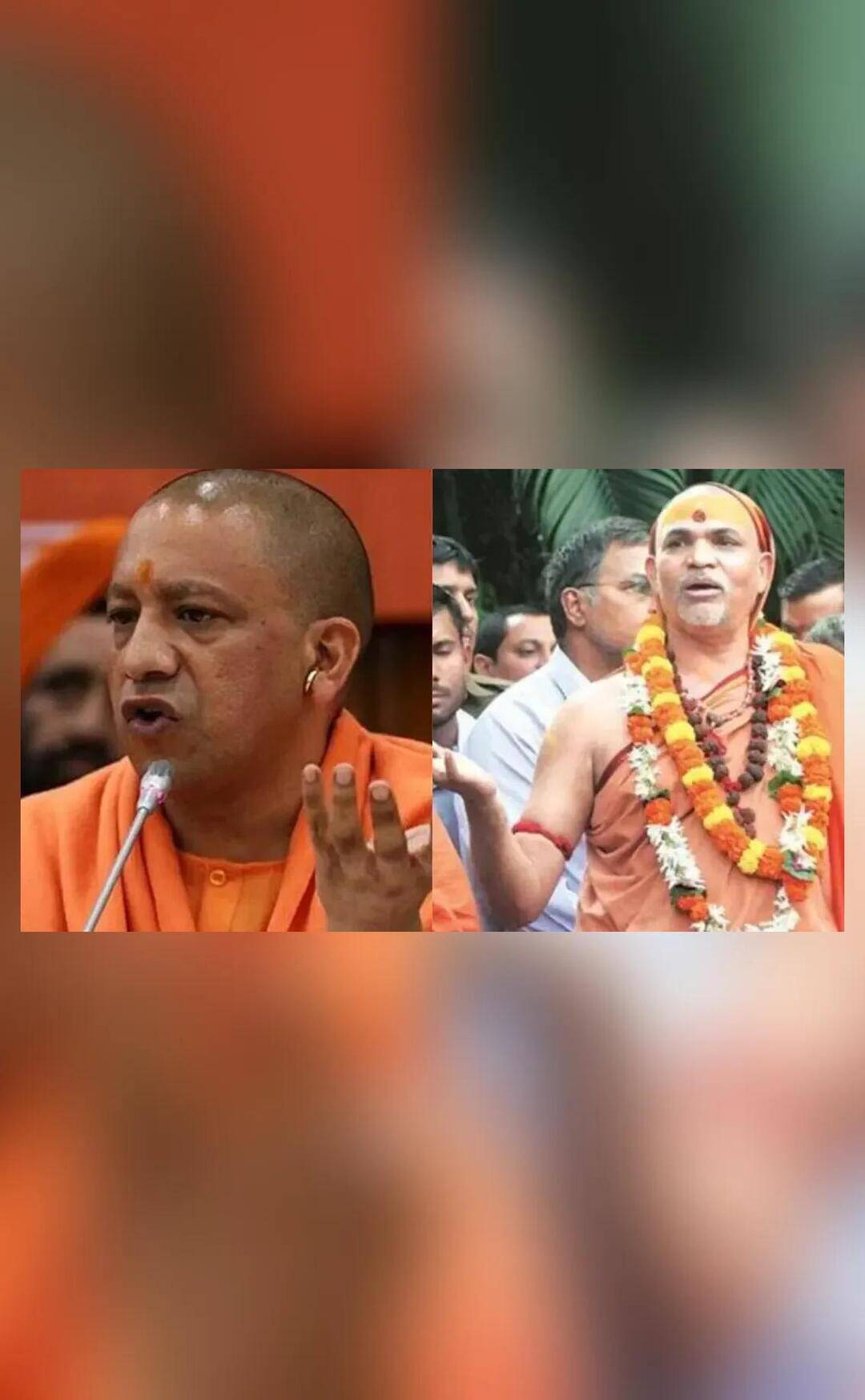
Prove you are Hindu, ban beef export: Shankaracharya to CM Yogi
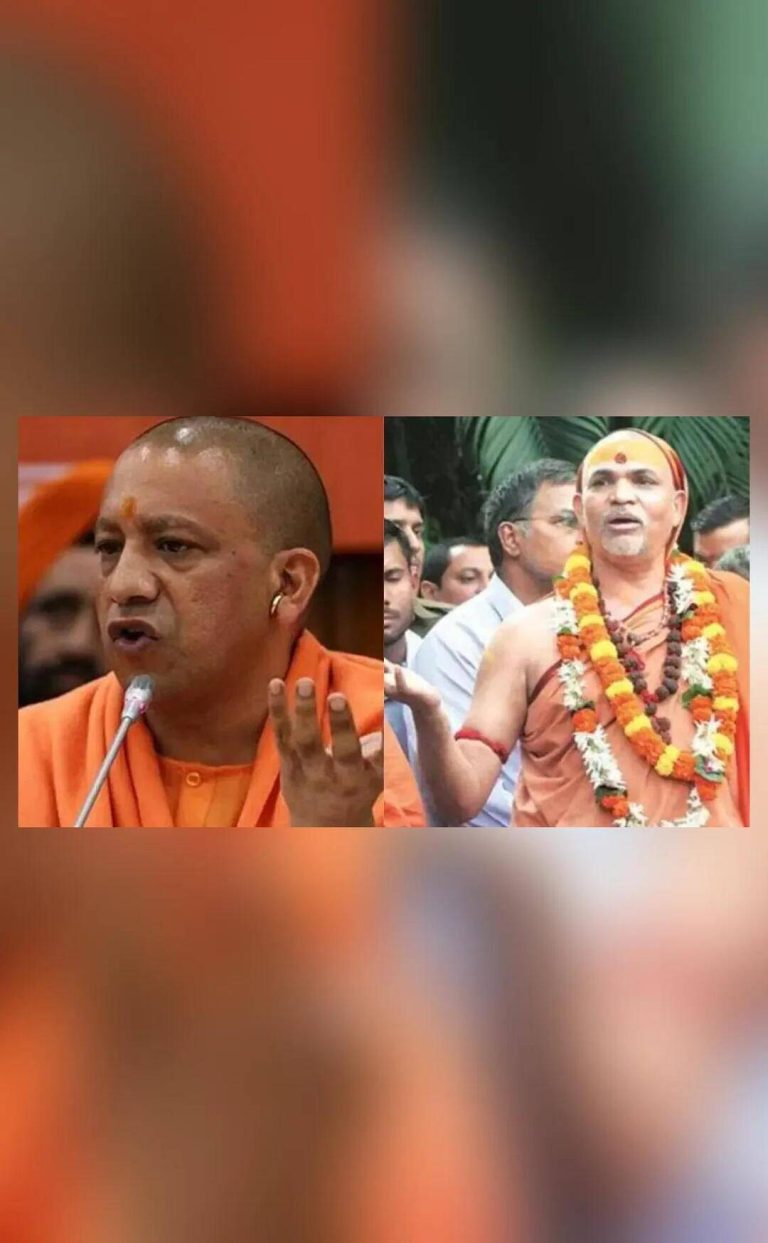
In a bold and contentious statement, Shankaracharya Swami Avimukteshwaranad Saraswati has given a 40-day “ultimatum” to Uttar Pradesh Chief Minister Yogi Adityanath to prove his commitment to Hindu values. The ultimatum comes with two specific demands: halting beef exports from the state of Uttar Pradesh and declaring the cow as ‘Rajya Mata’ (Mother of the State). This move by the Shankaracharya, a prominent Hindu spiritual leader, has sparked a heated debate and highlights the ongoing tensions between the government and certain sections of the Hindu community.
The statement from Shankaracharya Swami Avimukteshwaranad Saraswati comes after he returned to his Varanasi math (monastery) following a period of protest. The protest was sparked by an alleged incident where the administration stopped him from taking a holy dip during the Prayagraj Magh Mela, a significant Hindu festival. This incident, according to the Shankaracharya, was a clear sign of disrespect towards him and the Hindu community, prompting him to take a stand and issue the ultimatum to the Chief Minister.
At the heart of the issue is the question of beef exports from Uttar Pradesh. The Shankaracharya has been vocal about his opposition to the export of beef, citing the cow’s revered status in Hinduism. By demanding that the government halt beef exports, he is essentially testing the commitment of the Yogi Adityanath government to Hindu values. The declaration of the cow as ‘Rajya Mata’ is also symbolic of this commitment, as it would officially recognize the cow’s significance in Hindu culture and ensure its protection.
The 40-day ultimatum has significant implications, both politically and socially. For the Yogi Adityanath government, which has often been associated with Hindu nationalist ideologies, this presents a challenge. The government must balance its commitment to the Hindu community, a significant portion of its voter base, with the practical realities of governance and the economy. Beef exports are a substantial part of Uttar Pradesh’s economy, and halting them could have far-reaching economic consequences.
Furthermore, this issue also touches upon the broader debate about secularism and the role of religion in governance. Critics of the Shankaracharya’s demands argue that such moves undermine the secular fabric of the country, potentially leading to further polarization along religious lines. On the other hand, supporters see this as a necessary step to protect and promote Hindu values, which they believe are under threat.
The timing of the ultimatum is also noteworthy, coming as it does after a series of controversies surrounding religious issues in Uttar Pradesh. The state has seen tensions rise over issues such as the construction of temples, the handling of religious festivals, and the perceived marginalization of certain religious communities. In this context, the Shankaracharya’s demands can be seen as an attempt to assert Hindu interests and ensure that the government remains accountable to its Hindu constituency.
In conclusion, the 40-day ultimatum given by Shankaracharya Swami Avimukteshwaranad Saraswati to Chief Minister Yogi Adityanath presents a complex challenge. It is a test of the government’s commitment to Hindu values, a reflection of the ongoing debate about secularism and governance, and a potential catalyst for further religious and political tensions. As the deadline approaches, all eyes will be on the Yogi Adityanath government, waiting to see how it responds to these demands and navigates the intricate landscape of religion, politics, and governance in Uttar Pradesh.
About the Author