Pilots were shouted at, humiliated: Employee in letter on toxic culture at IndiGo
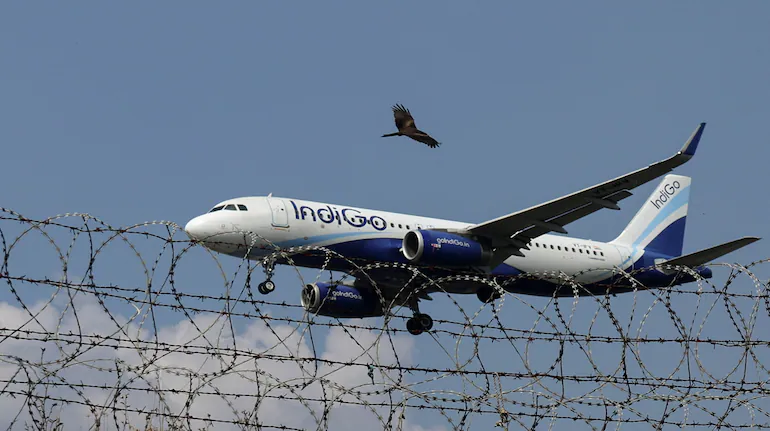
The Indian aviation industry has been plagued by chaos and disruptions in recent times, with airports across the country struggling to cope with the influx of passengers. Amidst this chaos, a shocking revelation has come to light, highlighting the toxic culture that pervades one of India’s largest airlines, IndiGo. In a purported letter, an IndiGo employee has blown the whistle on the airline’s allegedly abusive and intimidating work environment, where pilots who raised concerns about fatigue and unsafe duty timings were shouted at, intimidated, and humiliated.
The letter, which has been widely circulated on social media, paints a disturbing picture of a company that has lost sight of its core values and priorities. According to the employee, IndiGo’s meteoric rise to success has been accompanied by a descent into arrogance and a culture of fear. “We started small in 2006…But somewhere along the way, pride turned into arrogance…The attitude became: We are too big to fail,” the letter reads.
The employee’s allegations are particularly disturbing, given the critical role that pilots play in ensuring the safety of air travel. The letter claims that when pilots raised concerns about fatigue and unsafe duty timings, they were met with hostility and intimidation. “Pilots who raised concerns about fatigue and unsafe duty timings were shouted at, intimidated, and humiliated,” the letter states. This is a shocking indictment of an airline that is responsible for the safety of thousands of passengers every day.
The letter also targets IndiGo’s CEO, Pieter Elbers, accusing him of being out of touch with the reality on the ground. According to the employee, Elbers is more concerned with projecting a positive image of the airline than with addressing the underlying issues that are causing chaos and disruption. “The CEO is more concerned with his image and the image of the airline than with the welfare of employees or the safety of passengers,” the letter reads.
The allegations made in the letter are not only disturbing but also raise serious questions about the safety of air travel in India. If pilots are being intimidated and humiliated for raising concerns about safety, it is only a matter of time before a major accident occurs. The Indian aviation regulator, the Directorate General of Civil Aviation (DGCA), has a critical role to play in ensuring that airlines prioritize safety above all else.
The DGCA must take immediate action to investigate the allegations made in the letter and take corrective action to ensure that IndiGo and other airlines prioritize safety and employee welfare. This includes ensuring that pilots are not intimidated or humiliated for raising concerns about safety and that airlines have robust systems in place to address employee concerns.
The letter also highlights the need for greater transparency and accountability in the Indian aviation industry. Airlines must be held to account for their actions, and employees must feel empowered to raise concerns without fear of reprisal. This requires a fundamental shift in the culture of the industry, one that prioritizes safety, transparency, and accountability above all else.
In conclusion, the allegations made in the letter are a wake-up call for the Indian aviation industry. They highlight the need for a fundamental shift in the culture of the industry, one that prioritizes safety, transparency, and accountability above all else. The DGCA, airlines, and employees all have a critical role to play in ensuring that the industry prioritizes safety and employee welfare. Only then can we ensure that air travel in India is safe and reliable.
As the Indian aviation industry continues to grow and evolve, it is critical that we learn from the mistakes of the past and prioritize safety and transparency above all else. The allegations made in the letter are a stark reminder of the consequences of allowing a culture of fear and intimidation to pervade an industry that is critical to the safety and well-being of thousands of people every day.
About the Author