Pilots were shouted at, humiliated: Employee in letter on toxic culture at IndiGo
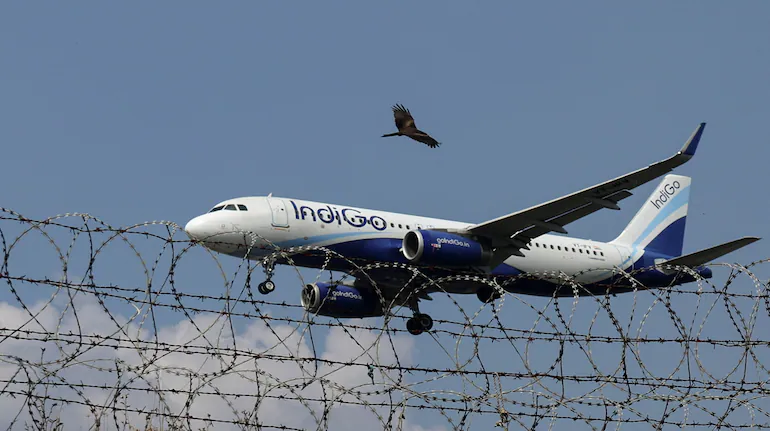
The Indian aviation industry has been witnessing a chaotic period, with flights being cancelled, delayed, and passengers facing immense inconvenience. Amidst this chaos, a shocking revelation has come to light, exposing the toxic culture prevalent at one of India’s largest airlines, IndiGo. An anonymous letter, purportedly written by an IndiGo employee, has made some startling claims about the treatment meted out to pilots who raised concerns about their fatigue and unsafe duty timings.
According to the letter, when pilots brought up the issue of fatigue and the risks associated with their duty timings, they were subjected to humiliation, intimidation, and shouting by their superiors. The letter paints a disturbing picture of a work culture that prioritizes profits over the well-being and safety of its employees. The author of the letter claims that the airline’s management is more concerned with meeting its targets and maintaining its image than with ensuring the safety of its passengers and crew.
The letter begins by stating that IndiGo started small in 2006, with a humble beginning and a commitment to providing excellent service to its passengers. However, over the years, the airline’s pride and success seem to have turned into arrogance. The author writes, “We started small in 2006…But somewhere along the way, pride turned into arrogance…The attitude became: We are too big to fail.” This sense of invincibility has led to a culture of complacency, where the management feels that it can get away with anything, without being held accountable.
The letter goes on to describe the manner in which pilots are treated when they raise concerns about their duty timings and fatigue. The author claims that these pilots are shouted at, intimidated, and humiliated, and are often told that they are not “team players” if they refuse to fly when they are tired. This kind of behavior is not only unprofessional but also poses a significant risk to the safety of the passengers and crew.
The letter also targets the airline’s CEO, Pieter Elbers, and accuses him of being responsible for the toxic culture that pervades the organization. The author claims that Elbers is more concerned with maintaining the airline’s image and meeting its targets than with ensuring the safety and well-being of its employees. The letter states that the CEO’s approach has created a culture of fear, where employees are reluctant to speak out against the airline’s practices, for fear of being targeted or penalized.
The allegations made in the letter are serious and have significant implications for the Indian aviation industry. If true, they suggest that IndiGo’s management is prioritizing profits over safety, and that the airline’s culture is toxic and hostile to its employees. The letter also raises questions about the regulatory framework that governs the aviation industry in India, and whether the authorities are doing enough to ensure that airlines are adhering to safety protocols and treating their employees with dignity and respect.
The chaos at Indian airports, with flights being cancelled and delayed, is a symptom of a larger problem. The letter suggests that the root cause of this chaos is the toxic culture that pervades the aviation industry, and the lack of accountability among airlines and their management. The allegations made in the letter are a wake-up call for the industry, and a reminder that safety and the well-being of employees must be prioritized above profits.
In conclusion, the anonymous letter written by an IndiGo employee has shed light on the toxic culture that pervades the airline, and the manner in which pilots are treated when they raise concerns about their fatigue and duty timings. The allegations made in the letter are serious and have significant implications for the Indian aviation industry. It is essential that the authorities take immediate action to investigate these allegations and ensure that airlines are adhering to safety protocols and treating their employees with dignity and respect.
About the Author