Pilots were shouted at, humiliated: Employee in letter on toxic culture at IndiGo
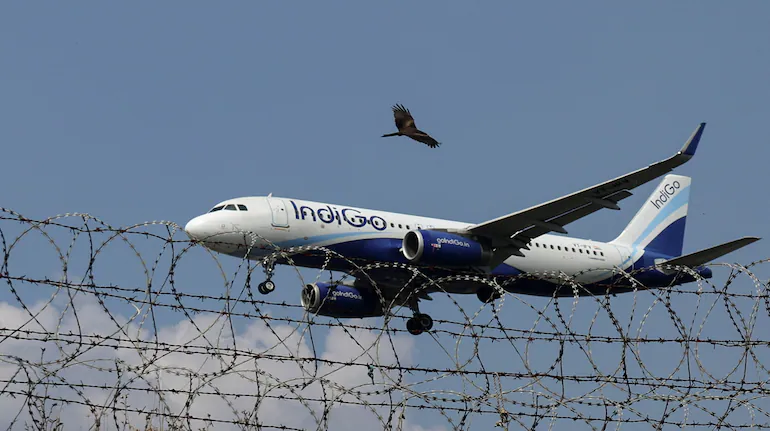
The Indian aviation industry has been witnessing chaos at airports across the country, with flight delays, cancellations, and passenger inconvenience becoming a norm. Amidst this chaos, a shocking revelation has come to light, exposing the toxic culture that pervades one of India’s largest airlines, IndiGo. An anonymous letter, purportedly written by an IndiGo employee, has brought to the forefront the alarming state of affairs within the airline, where pilots are allegedly subjected to humiliation, intimidation, and shouting when they raise concerns about fatigue and unsafe duty timings.
The letter, which has been making rounds on social media, paints a grim picture of the airline’s internal culture, where employee welfare and safety concerns are given short shrift. The author of the letter claims that the airline’s leadership, particularly CEO Pieter Elbers, has created an environment where employees are discouraged from speaking up about their concerns, fearing retribution and humiliation. The letter reads, “We started small in 2006…But somewhere along the way, pride turned into arrogance…The attitude became: We are too big to fail.”
This shocking admission highlights the extent to which the airline’s leadership has become disconnected from the concerns of its employees, particularly the pilots who are responsible for ensuring the safety of passengers. The letter alleges that when pilots raised concerns about fatigue and unsafe duty timings, they were met with hostility and intimidation. The fact that pilots, who are responsible for the safe operation of flights, are being subjected to such treatment is a matter of grave concern.
The letter also highlights the airline’s obsessive focus on on-time performance (OTP) and the pressure that employees are under to meet these targets. The author claims that this focus on OTP has led to a culture of fear, where employees are reluctant to report any issues or concerns that may impact the airline’s performance. This is a recipe for disaster, as it can lead to a breakdown in safety protocols and compromise the well-being of passengers.
The revelation of this toxic culture at IndiGo is a wake-up call for the Indian aviation industry as a whole. It highlights the need for airlines to prioritize employee welfare and safety concerns, rather than just focusing on profits and OTP. The fact that employees are afraid to speak up about their concerns is a clear indication of a deeper problem that needs to be addressed.
The letter also raises questions about the leadership style of CEO Pieter Elbers and the airline’s management. The fact that pilots are being humiliated and intimidated for raising legitimate concerns about safety and fatigue suggests a lack of empathy and understanding from the top. This is a classic case of a toxic culture that has been allowed to fester, with disastrous consequences for employee morale and safety.
The anonymous letter has sparked a heated debate about the state of the Indian aviation industry and the need for greater accountability and transparency. It has also raised questions about the role of regulators, such as the Directorate General of Civil Aviation (DGCA), in ensuring that airlines prioritize safety and employee welfare.
In conclusion, the revelation of the toxic culture at IndiGo is a shocking reminder of the need for airlines to prioritize employee welfare and safety concerns. The fact that pilots are being subjected to humiliation and intimidation for raising legitimate concerns about safety and fatigue is a matter of grave concern. The Indian aviation industry needs to take a hard look at itself and ensure that airlines are prioritizing safety and employee welfare, rather than just focusing on profits and OTP.
As the industry grapples with the fallout of this revelation, one thing is clear: the need for greater accountability and transparency is more pressing than ever. The DGCA and other regulators must take a more proactive role in ensuring that airlines are prioritizing safety and employee welfare, and that employees are not afraid to speak up about their concerns.
The anonymous letter has blown the lid off the toxic culture at IndiGo, and it is now up to the airline’s leadership to take corrective action. The airline must prioritize employee welfare and safety concerns, and create a culture where employees feel empowered to speak up about their concerns without fear of retribution or humiliation. Only then can the airline hope to regain the trust of its employees and passengers.
About the Author