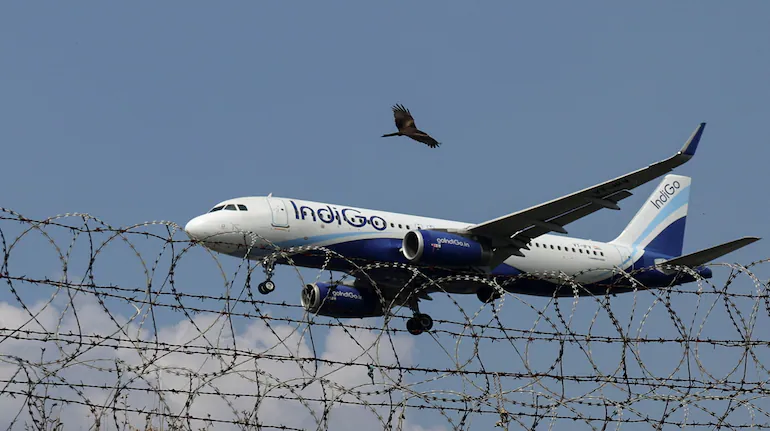
Pilots were shouted at, humiliated: Employee in letter on toxic culture at IndiGo
The Indian aviation industry has been plagued by a series of disruptions and chaos at airports across the country. Amidst this chaos, a shocking revelation has come to light, exposing the toxic culture that pervades one of India’s largest airlines, IndiGo. A purported letter written by an IndiGo employee has revealed a disturbing pattern of behavior towards pilots who raised concerns about fatigue and unsafe duty timings. According to the letter, when pilots dared to speak up, they were met with shouting, intimidation, and humiliation.
The letter, which has been widely circulated, paints a damning picture of the airline’s management and its attitude towards employee concerns. The author of the letter claims that IndiGo’s culture has become toxic, with a focus on profits over people. “We started small in 2006…But somewhere along the way, pride turned into arrogance…The attitude became: We are too big to fail,” the letter read. This statement suggests that the airline’s rapid growth and success have led to a sense of invincibility, which has, in turn, created a culture of complacency and disregard for employee well-being.
The letter highlights the experiences of pilots who have been subjected to unacceptable treatment by the airline’s management. When pilots raised concerns about fatigue and unsafe duty timings, they were allegedly shouted at, intimidated, and humiliated. This behavior is not only unprofessional but also raises serious concerns about the safety of passengers and crew. The fact that pilots are being bullied and belittled for speaking up about safety concerns is a clear indication of a toxic culture that prioritizes profits over people.
The letter also targets IndiGo’s CEO, Pieter Elbers, implying that he is responsible for perpetuating this toxic culture. The author claims that Elbers has created an environment where employees are afraid to speak up, and those who do are punished or marginalized. This is a serious allegation, and one that warrants further investigation. If true, it suggests that the airline’s management is more interested in maintaining a culture of fear and silence than in addressing legitimate concerns about safety and employee well-being.
The revelations in the letter are not surprising, given the recent chaos at airports across India. The Indian aviation industry has been plagued by a series of disruptions, including flight cancellations, delays, and passenger complaints. While these disruptions have been attributed to various factors, including weather and air traffic control issues, the letter suggests that the root cause of the problem may be more systemic. The toxic culture at IndiGo, as described in the letter, may be contributing to the airline’s operational problems, as demotivated and intimidated employees are less likely to perform at their best.
The letter also raises questions about the accountability of airline management and the regulatory bodies that oversee the industry. If the allegations in the letter are true, it suggests that the airline’s management has been allowed to create a toxic culture with impunity. This is a serious concern, as it raises questions about the safety and well-being of passengers and crew. The regulatory bodies, such as the Directorate General of Civil Aviation (DGCA), must take immediate action to investigate these allegations and take corrective action to address the toxic culture at IndiGo.
In conclusion, the letter written by an IndiGo employee has shed light on a disturbing pattern of behavior at one of India’s largest airlines. The allegations of a toxic culture, where pilots are shouted at, intimidated, and humiliated for speaking up about safety concerns, are serious and warrant immediate attention. The airline’s management, including CEO Pieter Elbers, must be held accountable for perpetuating this culture. The regulatory bodies must also take action to investigate these allegations and ensure that the airline is held to the highest standards of safety and employee well-being.
As the Indian aviation industry continues to grapple with disruptions and chaos, it is essential that the root causes of these problems are addressed. The toxic culture at IndiGo, as described in the letter, is a symptom of a larger problem that requires immediate attention. The airline’s management and regulatory bodies must work together to create a culture that prioritizes safety, employee well-being, and passenger satisfaction. Anything less is unacceptable, and the consequences of inaction could be catastrophic.
About the Author