Pilots were shouted at, humiliated: Employee in letter on toxic culture at IndiGo
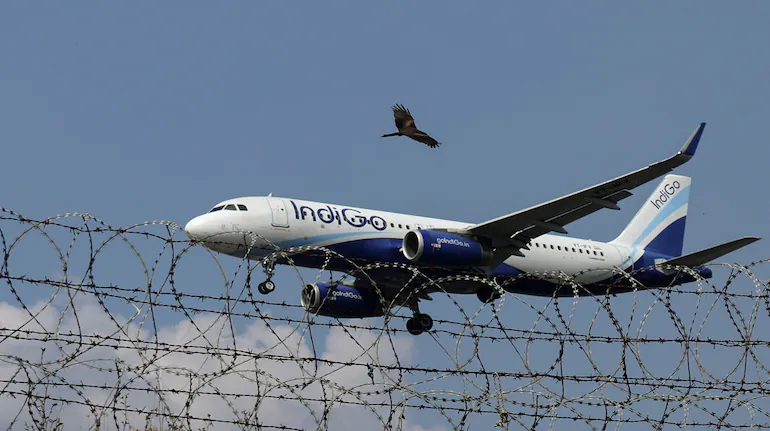
The recent chaos at airports across India has brought to light the internal struggles of one of the country’s largest airlines, IndiGo. Amidst the mayhem, an anonymous letter from an IndiGo employee has surfaced, shedding light on the toxic culture that pervades the organization. The letter, which has been making waves on social media, claims that pilots who raised concerns about fatigue and unsafe duty timings were subjected to humiliation, intimidation, and verbal abuse.
According to the letter, when pilots expressed their concerns about the unsustainable work schedule and the risks it posed to passenger safety, they were met with aggression and disdain by their superiors. The letter states that pilots were “shouted at, intimidated, and humiliated” for speaking up, which created a culture of fear and silence within the organization. This toxic environment, the letter suggests, has been perpetuated by the airline’s leadership, particularly CEO Pieter Elbers.
The letter also laments the loss of the company’s founding values, which were built on a sense of pride and humility. “We started small in 2006…But somewhere along the way, pride turned into arrogance…The attitude became: We are too big to fail,” the letter reads. This sense of invincibility, the author argues, has led to a culture of complacency and a lack of accountability, which has ultimately contributed to the current crisis.
The letter paints a damning picture of an organization that prioritizes profits over people and safety. The author claims that the airline’s leadership is more concerned with maintaining its market share and reputation than with addressing the legitimate concerns of its employees. This has resulted in a breakdown of trust between the management and the staff, with many employees feeling undervalued, overworked, and disrespected.
The allegations made in the letter are particularly disturbing given the critical role that airlines play in ensuring public safety. The aviation industry is heavily regulated, and airlines are expected to adhere to strict safety standards to minimize the risk of accidents. However, if the claims made in the letter are true, it suggests that IndiGo has been compromising on safety by pushing its pilots to fly excessive hours without adequate rest.
The letter also raises questions about the leadership style of CEO Pieter Elbers, who took over the reins of the airline in 2022. Elbers has been credited with turning around the airline’s fortunes, but the letter suggests that his leadership style has been autocratic and dismissive of employee concerns. The author claims that Elbers has created a culture of fear, where employees are reluctant to speak up or raise concerns for fear of reprisal.
The fallout from the letter has been significant, with many calling for an investigation into the allegations made. The airline has responded by denying the claims, but the damage to its reputation has already been done. The incident has also sparked a wider debate about the culture of the aviation industry, with many arguing that the pursuit of profits has led to a neglect of safety and employee welfare.
As the investigation into the allegations continues, it is clear that the problems at IndiGo run deeper than just a few isolated incidents. The letter has lifted the lid on a toxic culture that has been allowed to fester, and it will take more than just a few cosmetic changes to restore trust and confidence in the airline. The incident serves as a reminder that a company’s culture is just as important as its balance sheet, and that neglecting the well-being of employees can have serious consequences.
In conclusion, the anonymous letter from an IndiGo employee has shed light on the dark underbelly of the airline’s toxic culture. The allegations made in the letter are serious and warrant a thorough investigation. As the airline navigates this crisis, it is essential that it takes concrete steps to address the concerns of its employees and prioritize safety and welfare. Anything less would be a betrayal of the trust that passengers have placed in the airline.
About the Author