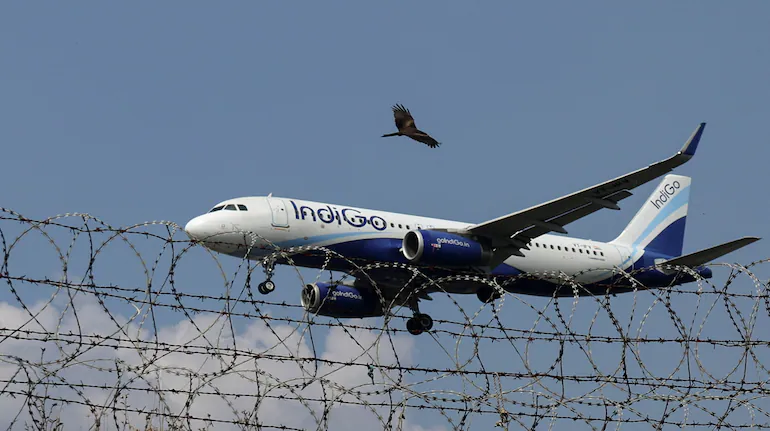
Pilots were shouted at, humiliated: Employee in letter on toxic culture at IndiGo
The Indian aviation industry has been making headlines in recent times, and not for the right reasons. With chaos erupting at airports across the country, a purported letter from an IndiGo employee has shed light on the toxic culture that pervades the airline. According to the letter, when pilots raised concerns about fatigue and unsafe duty timings, they were met with hostility, intimidation, and humiliation. This disturbing revelation has sparked a heated debate about the safety and well-being of airline staff and passengers alike.
The letter, which has been circulating on social media, paints a damning picture of the airline’s culture. The employee, who chose to remain anonymous, claims that IndiGo’s leadership has created an environment where pilots are discouraged from speaking up about their concerns. “We started small in 2006, with a vision to revolutionize the Indian aviation industry,” the letter reads. “But somewhere along the way, pride turned into arrogance…The attitude became: We are too big to fail.” This sense of invincibility has allegedly led to a culture of fear and intimidation, where employees are reluctant to raise their voices about safety concerns.
The letter specifically mentions that when pilots expressed their concerns about fatigue and duty timings, they were shouted at, intimidated, and humiliated. This is a disturbing trend, as pilot fatigue is a well-known safety risk in the aviation industry. The International Air Transport Association (IATA) and the Federal Aviation Administration (FAA) have both emphasized the importance of managing pilot fatigue to ensure safe flight operations. By allegedly discouraging pilots from reporting their concerns, IndiGo may be compromising the safety of its passengers and crew.
The letter also targets IndiGo’s CEO, Pieter Elbers, suggesting that he has been instrumental in fostering this toxic culture. The employee claims that Elbers has created an environment where employees are afraid to speak up, and where safety concerns are ignored or dismissed. This is a serious allegation, as the CEO of an airline has a critical role in ensuring the safety and well-being of passengers and crew. If true, Elbers’ leadership style may be putting lives at risk.
The timing of this letter is significant, as it comes amidst a period of chaos at Indian airports. Flight delays, cancellations, and passenger misbehavior have become increasingly common, leading to frustration and anxiety among travelers. While these issues are not unique to IndiGo, the airline has been at the center of several high-profile incidents in recent months. The letter suggests that these problems may be symptomatic of a deeper cultural issue within the airline, one that prioritizes profits over safety and employee well-being.
The implications of this letter are far-reaching, and raise important questions about the accountability of airline leadership. If IndiGo’s management is indeed prioritizing profits over safety, it is a serious breach of trust with passengers and employees alike. The airline has a responsibility to ensure that its operations are safe and reliable, and that its employees are treated with dignity and respect. By allegedly failing to meet these basic standards, IndiGo may be compromising its reputation and risking the lives of those who fly with it.
In response to the letter, IndiGo has issued a statement denying the allegations and claiming that the safety and well-being of its employees and passengers are its top priority. However, the airline’s response has been met with skepticism by many, who point out that the letter raises serious concerns that cannot be dismissed lightly. As the investigation into these allegations continues, it is essential that IndiGo takes concrete steps to address the concerns raised by its employee.
Ultimately, the letter highlights the need for greater accountability and transparency in the aviation industry. Airlines have a critical role to play in ensuring the safety and well-being of passengers and crew, and must be held to the highest standards of safety and ethics. By speaking out against toxic cultures and prioritizing safety above profits, we can create a safer and more responsible aviation industry for all.
About the Author