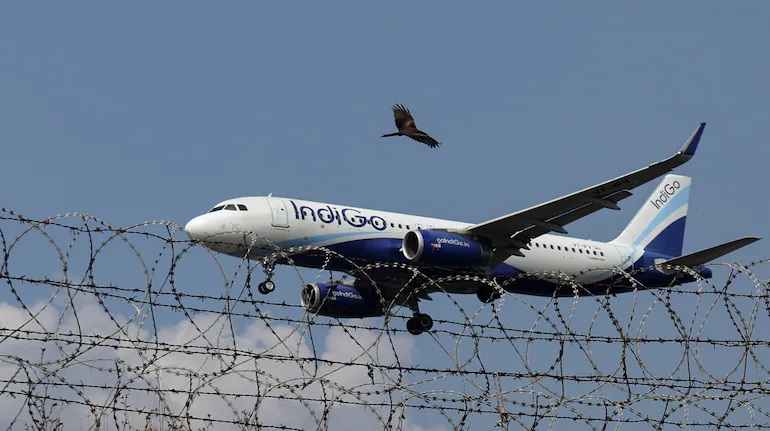
Pilots were shouted at, humiliated: Employee in letter on toxic culture at IndiGo
The recent chaos at airports across India has brought to light a disturbing reality about the work culture at one of the country’s leading airlines, IndiGo. An anonymous letter, purportedly written by an IndiGo employee, has made shocking revelations about the toxic culture that pervades the organization. According to the letter, when pilots raised concerns about fatigue and unsafe duty timings, they were met with hostility, intimidation, and humiliation.
The letter, which has been widely circulated on social media, paints a damning picture of the airline’s management and its attitude towards employee concerns. “We started small in 2006…But somewhere along the way, pride turned into arrogance…The attitude became: We are too big to fail,” the letter reads. This statement suggests that the airline’s rapid growth and success have led to a sense of complacency and a disregard for the well-being of its employees.
The letter specifically mentions that pilots who spoke out about their concerns were shouted at, intimidated, and humiliated. This is a disturbing trend, as it suggests that the airline’s management is more concerned with maintaining its image and meeting targets than with ensuring the safety and well-being of its employees. The fact that pilots, who are responsible for the safety of thousands of passengers, are being treated in this manner is particularly alarming.
The letter also targets the airline’s CEO, Pieter Elbers, accusing him of being out of touch with the realities on the ground. The author of the letter claims that Elbers is more concerned with maintaining his own image and reputation than with addressing the concerns of his employees. This is a serious allegation, as it suggests that the CEO is not taking the necessary steps to address the toxic culture that has developed within the organization.
The revelations in the letter are not surprising, given the recent chaos at airports across India. Passengers have been stranded, flights have been delayed or cancelled, and the airline’s customer service has been criticized for being unresponsive and unhelpful. The letter suggests that these problems are not just the result of external factors, such as bad weather or air traffic control issues, but are also the result of a deeper cultural problem within the organization.
The anonymous letter has sparked a debate about the work culture at IndiGo and the need for greater accountability and transparency within the organization. Many have called for an independent investigation into the allegations made in the letter, and for the airline to take concrete steps to address the concerns of its employees.
The incident has also raised questions about the broader culture of the aviation industry in India. Is this kind of toxic culture prevalent in other airlines as well? Are employees in other airlines also being intimidated and humiliated for speaking out about their concerns? These are questions that need to be answered, and the incident at IndiGo serves as a wake-up call for the entire industry.
In conclusion, the anonymous letter from an IndiGo employee has shed light on a disturbing reality about the work culture at the airline. The fact that pilots are being shouted at, intimidated, and humiliated for speaking out about their concerns is a serious issue that needs to be addressed. The airline’s management, including CEO Pieter Elbers, needs to take concrete steps to address the toxic culture that has developed within the organization. This includes listening to the concerns of employees, taking their feedback seriously, and creating a safe and supportive work environment.
The incident at IndiGo serves as a reminder that a toxic work culture can have serious consequences, not just for employees, but also for passengers and the broader community. It is essential for organizations to prioritize the well-being and safety of their employees, and to create a culture that values transparency, accountability, and respect.
About the Author