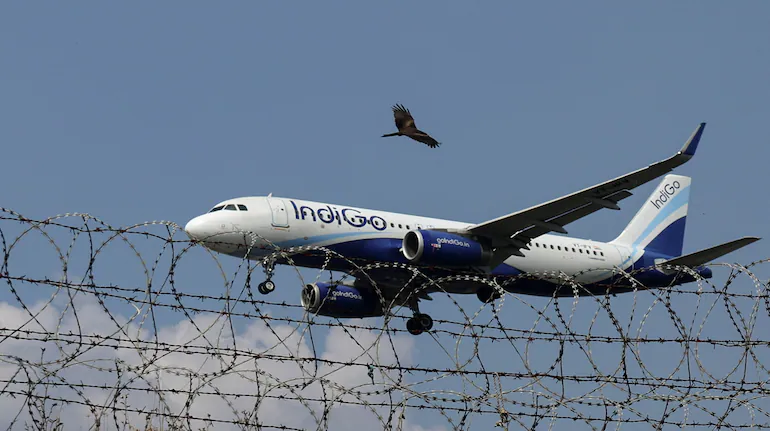
Pilots were shouted at, humiliated: Employee in letter on toxic culture at IndiGo
The recent chaos at airports across India has brought to light a plethora of issues plaguing the aviation industry. Amidst the mayhem, a purported letter from an IndiGo employee has shed light on the toxic culture prevalent within the organization. The letter, which has been making rounds on social media, claims that pilots who raised concerns about fatigue and unsafe duty timings were subjected to humiliation, intimidation, and shouting.
The anonymous letter paints a disturbing picture of the work environment at IndiGo, one of India’s largest airlines. According to the letter, when pilots expressed their concerns about the grueling schedules and the impact it had on their well-being, they were met with disdain and disrespect. The letter states, “We started small in 2006…But somewhere along the way, pride turned into arrogance…The attitude became: We are too big to fail.” This statement suggests that the airline’s meteoric rise to success has led to a sense of complacency and a lack of regard for the well-being of its employees.
The letter highlights the plight of pilots who are expected to operate flights with minimal rest and inadequate breaks. The writer claims that when pilots brought up these issues, they were belittled and humiliated by their superiors. This kind of behavior is not only unprofessional but also poses a significant risk to the safety of passengers and crew members. Fatigue is a well-documented issue in the aviation industry, and ignoring it can have disastrous consequences.
The letter also targets IndiGo’s CEO, Pieter Elbers, accusing him of being disconnected from the reality on the ground. The writer alleges that Elbers is more concerned with maintaining the airline’s image and meeting profit targets than with addressing the concerns of his employees. This lack of empathy and understanding has created a toxic culture within the organization, where employees are afraid to speak up for fear of reprisal.
The issues raised in the letter are not unique to IndiGo. The aviation industry as a whole has been grappling with concerns related to pilot fatigue, workload, and stress. However, the fact that an employee felt compelled to write an anonymous letter to highlight these issues suggests that there is a deep-seated problem within the organization.
The letter has sparked a heated debate about the culture of IndiGo and the aviation industry as a whole. Many have come forward to express their support for the anonymous writer, sharing their own experiences of working in a toxic environment. Others have criticized the letter, questioning its authenticity and motives.
Regardless of the letter’s authenticity, it has brought attention to a critical issue that needs to be addressed. The safety of passengers and crew members should be the top priority of any airline, and ignoring concerns about pilot fatigue and workload is a recipe for disaster.
IndiGo has not officially responded to the allegations made in the letter. However, the airline has been facing criticism for its handling of the recent chaos at airports. The airline has been accused of mismanaging its operations, leading to flight delays and cancellations.
In conclusion, the purported letter from an IndiGo employee has shed light on the toxic culture within the organization. The allegations made in the letter are disturbing and highlight the need for urgent attention to be paid to the well-being of pilots and other employees. The aviation industry as a whole needs to take a hard look at its culture and prioritize the safety and well-being of its employees.
As the debate surrounding the letter continues, one thing is clear: the safety of passengers and crew members should be the top priority of any airline. Ignoring concerns about pilot fatigue and workload is a risk that no airline can afford to take.
About the Author