Pilots were shouted at, humiliated: Employee in letter on toxic culture at IndiGo
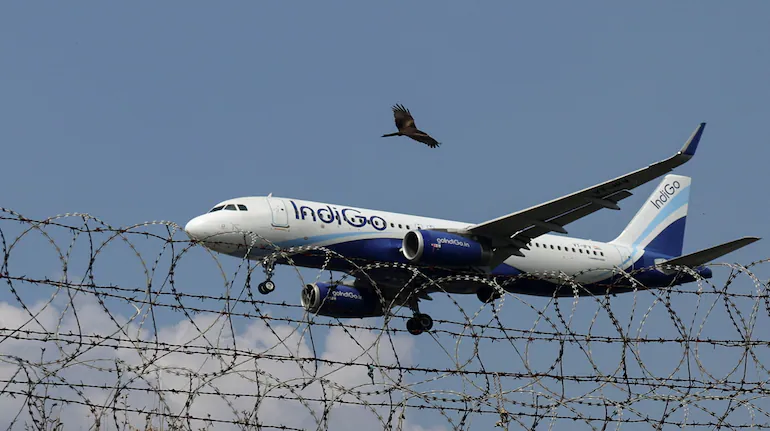
The Indian aviation industry has been facing a tumultuous time lately, with chaos erupting at airports across the country. Amidst this chaos, a shocking revelation has come to light, exposing the toxic culture that pervades one of India’s largest airlines, IndiGo. In a purported letter, an IndiGo employee has blown the whistle on the airline’s allegedly toxic work environment, where pilots who raised concerns about fatigue and unsafe duty timings were shouted at, intimidated, and humiliated.
The letter, which has been making rounds on social media, paints a disturbing picture of the airline’s internal workings. According to the employee, when pilots expressed their concerns about the airline’s duty schedules, they were met with hostility and disdain. The letter states, “We started small in 2006…But somewhere along the way, pride turned into arrogance…The attitude became: We are too big to fail.” This sense of invincibility, the employee claims, has led to a culture of fear and intimidation, where employees are discouraged from speaking out against unsafe practices.
The letter specifically targets IndiGo’s CEO, Pieter Elbers, accusing him of fostering a culture of toxicity and silence. The employee alleges that Elbers and other top executives have created an environment where employees are afraid to raise concerns about safety and fatigue, fearing reprisal and humiliation. The letter claims that pilots who spoke out against the airline’s duty schedules were shouted at, belittled, and even threatened with disciplinary action.
This is a disturbing revelation, especially given the critical role that pilots play in ensuring the safety of passengers. The International Civil Aviation Organization (ICAO) and the Directorate General of Civil Aviation (DGCA) have strict guidelines in place to prevent pilot fatigue, which can have disastrous consequences. However, if the allegations in the letter are true, it suggests that IndiGo has been flouting these guidelines, prioritizing profits over safety.
The letter also highlights the consequences of this toxic culture, including the recent chaos at airports across India. The employee claims that the airline’s insistence on pushing pilots to fly beyond their safe limits has led to a shortage of available crew, resulting in flight delays and cancellations. This has caused inconvenience to thousands of passengers, damaging the airline’s reputation and eroding customer trust.
The allegations made in the letter are serious and warrant a thorough investigation. If true, they suggest a systemic failure within IndiGo’s management, which has prioritized profits over safety and employee well-being. The airline’s CEO, Pieter Elbers, must take immediate action to address these concerns, including conducting an internal investigation and taking steps to prevent similar incidents in the future.
The incident also raises questions about the regulatory framework governing the Indian aviation industry. The DGCA, which is responsible for ensuring the safety of air travel in India, must take a closer look at IndiGo’s practices and ensure that the airline is complying with safety guidelines. The regulator must also take steps to prevent similar incidents in the future, including conducting regular audits and inspections of airlines.
In conclusion, the allegations made in the letter are a wake-up call for the Indian aviation industry. They highlight the need for a culture of safety and transparency, where employees feel empowered to speak out against unsafe practices without fear of reprisal. The incident also underscores the importance of effective regulation, ensuring that airlines prioritize safety and customer well-being over profits. As the Indian aviation industry continues to grow, it is essential that airlines and regulators prioritize safety and transparency, to prevent similar incidents in the future.
About the Author