Pay 25% of pending DA to 20 lakh govt employees by March 31: SC to WB govt
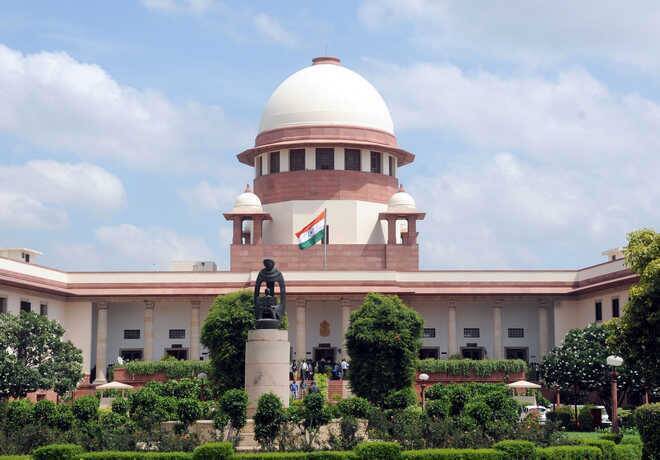
In a significant ruling, the Supreme Court on Thursday ordered the West Bengal government to clear 25% of pending Dearness Allowance (DA) from 2008 to 2019 for nearly 20 lakh state government employees by March 31. The court’s directive is a major relief for the state government employees who have been waiting for their pending DA for over a decade. The Supreme Court also set up a high-level committee led by former Supreme Court judge Justice Indu Malhotra to calculate the exact arrears and fix a practical payment schedule.
The West Bengal government had been facing severe criticism from its employees over the non-payment of pending DA, which had been pending since 2008. The employees had been demanding the payment of their pending DA, but the state government had been unable to fulfill their demands due to financial constraints. The matter had been pending in the Supreme Court for several years, with the employees’ unions and associations fighting for their rights.
The Supreme Court’s order is a major victory for the state government employees, who will now receive 25% of their pending DA by March 31. The court’s directive is also a significant development in the ongoing dispute between the state government and its employees over the payment of pending DA. The employees had been on strike several times in the past, demanding the payment of their pending DA, but the state government had been unable to fulfill their demands.
The high-level committee set up by the Supreme Court will calculate the exact arrears and fix a practical payment schedule for the payment of the remaining 75% of pending DA. The committee will submit its report to the Supreme Court, which will then take a final decision on the payment of the remaining amount. The committee’s report will be crucial in determining the exact amount of pending DA and the payment schedule, and the state government will have to adhere to the committee’s recommendations.
The payment of pending DA is a significant issue in West Bengal, where the state government employees have been waiting for their dues for over a decade. The state government had been facing severe financial constraints, which had made it difficult for the government to pay the pending DA. However, the Supreme Court’s order has now made it mandatory for the state government to pay 25% of the pending DA by March 31, and the remaining amount will have to be paid in installments as per the committee’s recommendations.
The Supreme Court’s order is a significant development in the ongoing dispute between the state government and its employees over the payment of pending DA. The order is a major relief for the state government employees, who will now receive 25% of their pending DA by March 31. The order is also a significant victory for the employees’ unions and associations, who had been fighting for the payment of pending DA for several years.
The West Bengal government will have to now make arrangements to pay 25% of the pending DA to its employees by March 31. The government will have to allocate a significant amount of funds to pay the pending DA, which will be a challenge for the state government. However, the Supreme Court’s order has made it mandatory for the state government to pay the pending DA, and the government will have to adhere to the court’s directive.
In conclusion, the Supreme Court’s order to pay 25% of pending DA to 20 lakh government employees by March 31 is a significant development in the ongoing dispute between the state government and its employees. The order is a major relief for the state government employees, who will now receive 25% of their pending DA by March 31. The order is also a significant victory for the employees’ unions and associations, who had been fighting for the payment of pending DA for several years. The West Bengal government will have to now make arrangements to pay 25% of the pending DA to its employees by March 31, and the remaining amount will have to be paid in installments as per the committee’s recommendations.
About the Author