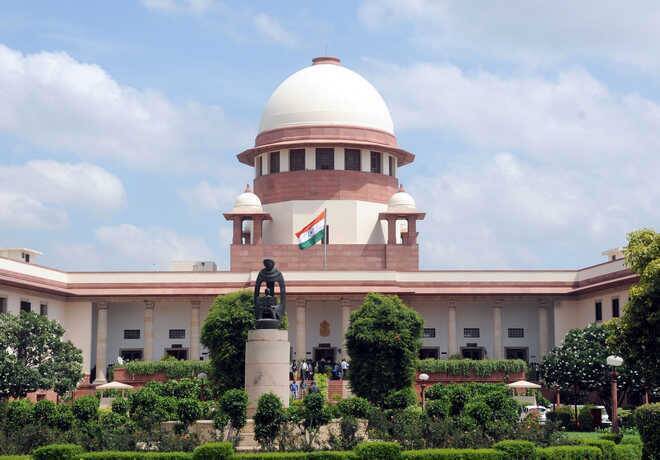
Pay 25% of pending DA to 20 lakh govt employees by March 31: SC to WB govt
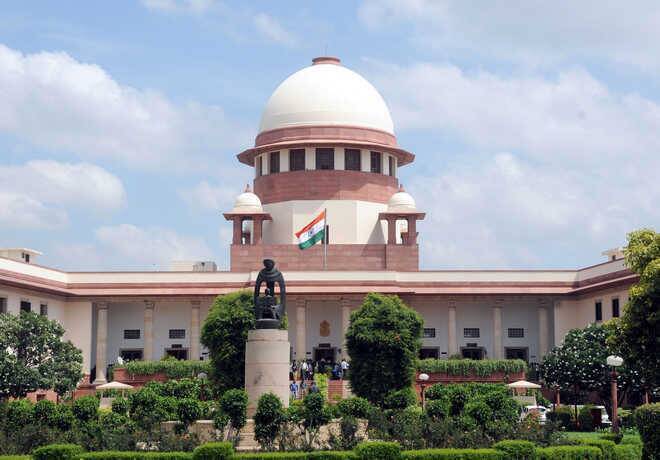
In a significant ruling, the Supreme Court on Thursday ordered the West Bengal government to clear 25% of pending Dearness Allowance (DA) from 2008 to 2019 for nearly 20 lakh state government employees by March 31. This decision is expected to bring relief to a large number of government employees in the state who have been waiting for their dues for over a decade.
The court’s directive comes after a long-standing dispute between the state government and its employees over the payment of DA arrears. The employees had been demanding the payment of their dues, which had been pending since 2008. The state government, on the other hand, had been citing financial constraints as a reason for not being able to pay the arrears.
The Supreme Court’s order is a significant victory for the government employees, who have been fighting for their rights for many years. The court has also set up a high-level committee led by former Supreme Court judge Justice Indu Malhotra to calculate the exact arrears and fix a practical payment schedule. This committee will ensure that the payment of arrears is made in a timely and transparent manner.
The payment of 25% of pending DA by March 31 is just the first installment, and the state government will have to pay the remaining amount in subsequent installments. The exact amount of arrears and the payment schedule will be determined by the committee set up by the Supreme Court.
The West Bengal government had been facing criticism from opposition parties and employee unions for not paying the DA arrears to its employees. The state government had been arguing that it did not have the financial resources to pay the arrears, but the Supreme Court’s order has made it clear that the government must prioritize the payment of its employees’ dues.
The payment of DA arrears is a significant issue in West Bengal, where a large number of government employees are affected. The state government has a total of 20 lakh employees, and the payment of arrears will have a significant impact on their livelihoods. The employees have been waiting for their dues for over a decade, and the Supreme Court’s order has brought them hope that they will finally receive their rightful dues.
The Supreme Court’s order is also significant because it sets a precedent for other state governments to follow. Many state governments in India are facing similar disputes with their employees over the payment of DA arrears, and the Supreme Court’s order in the West Bengal case may have implications for these cases as well.
In recent years, the issue of DA arrears has become a major point of contention between government employees and state governments across India. The employees have been demanding the payment of their dues, which have been pending for many years. The state governments, on the other hand, have been citing financial constraints as a reason for not being able to pay the arrears.
The Supreme Court’s order in the West Bengal case is a significant step towards resolving this issue. The court’s directive to the state government to pay 25% of pending DA by March 31 is a clear indication that the government must prioritize the payment of its employees’ dues. The setting up of a high-level committee to calculate the exact arrears and fix a practical payment schedule is also a significant step towards ensuring that the payment of arrears is made in a timely and transparent manner.
In conclusion, the Supreme Court’s order to the West Bengal government to pay 25% of pending DA to 20 lakh government employees by March 31 is a significant victory for the employees. The court’s directive is a clear indication that the government must prioritize the payment of its employees’ dues, and the setting up of a high-level committee to calculate the exact arrears and fix a practical payment schedule is a significant step towards ensuring that the payment of arrears is made in a timely and transparent manner. The Supreme Court’s order is also significant because it sets a precedent for other state governments to follow, and may have implications for similar cases across India.
About the Author