Pay 25% of pending DA to 20 lakh govt employees by March 31: SC to WB govt
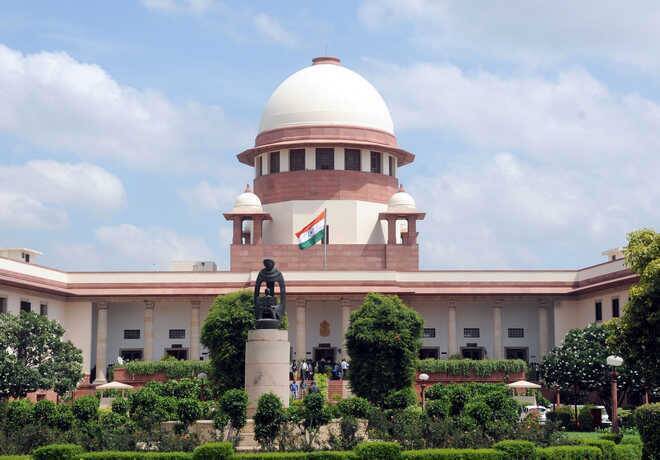
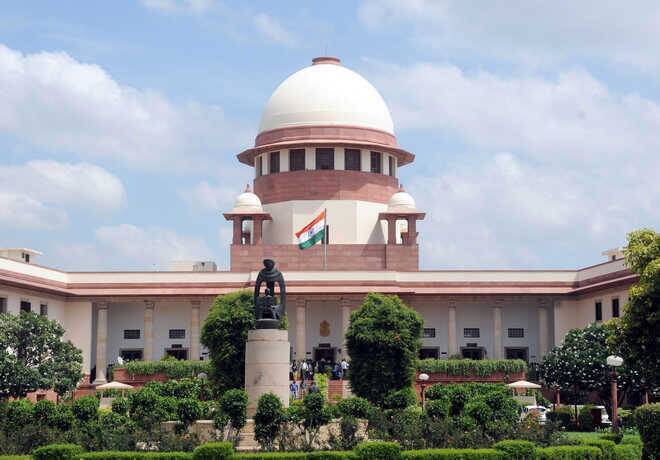
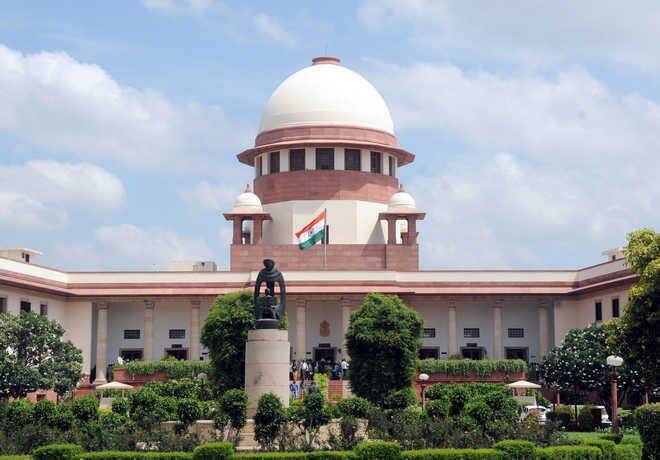
In a significant ruling, the Supreme Court has ordered the West Bengal government to pay 25% of the pending Dearness Allowance (DA) to nearly 20 lakh state government employees by March 31. The court’s directive is a major relief for the employees who have been waiting for the payment of their DA arrears from 2008 to 2019. The Supreme Court has also set up a high-level committee led by former Supreme Court judge Justice Indu Malhotra to calculate the exact arrears and fix a practical payment schedule.
The West Bengal government had been facing criticism for its delay in paying the DA arrears to its employees. The state government had been arguing that it did not have the financial resources to pay the arrears, which had been pending for over a decade. However, the Supreme Court has made it clear that the state government must prioritize the payment of the DA arrears to its employees.
The court’s order is a significant victory for the state government employees who have been struggling to make ends meet due to the non-payment of their DA arrears. The employees had been demanding the payment of their arrears for several years, but the state government had been dragging its feet on the issue. The Supreme Court’s intervention has finally brought some relief to the employees, who can now expect to receive at least 25% of their pending DA arrears by March 31.
The high-level committee set up by the Supreme Court will play a crucial role in calculating the exact arrears and fixing a practical payment schedule. The committee will comprise of experts who will study the financial situation of the state government and come up with a plan to pay the arrears in a phased manner. The committee will also ensure that the payment of the arrears does not put an undue burden on the state government’s finances.
The payment of DA arrears is a significant issue in West Bengal, where the state government employees have been waiting for several years to receive their dues. The state government had been paying the DA at a rate of 54% until 2019, when it was increased to 125% by the Central government. However, the state government employees had been demanding the payment of their arrears at the rate of 125%, which had been pending since 2008.
The Supreme Court’s order is a major setback for the West Bengal government, which had been trying to delay the payment of the DA arrears. The state government had been arguing that it did not have the financial resources to pay the arrears, but the Supreme Court has made it clear that the payment of the arrears is a priority. The court’s order is a significant victory for the state government employees, who can now expect to receive their dues in a phased manner.
The payment of DA arrears is a significant issue in India, where the government employees have been waiting for several years to receive their dues. The Central government had increased the DA to 125% in 2019, but the state governments had been slow to implement the increase. The Supreme Court’s order in the West Bengal case is a significant precedent, which could have implications for government employees across the country.
In conclusion, the Supreme Court’s order to the West Bengal government to pay 25% of the pending DA arrears to its employees by March 31 is a significant victory for the state government employees. The court’s directive is a major relief for the employees who have been waiting for several years to receive their dues. The high-level committee set up by the court will play a crucial role in calculating the exact arrears and fixing a practical payment schedule. The payment of the DA arrears is a significant issue in India, and the Supreme Court’s order in the West Bengal case is a significant precedent that could have implications for government employees across the country.
About the Author