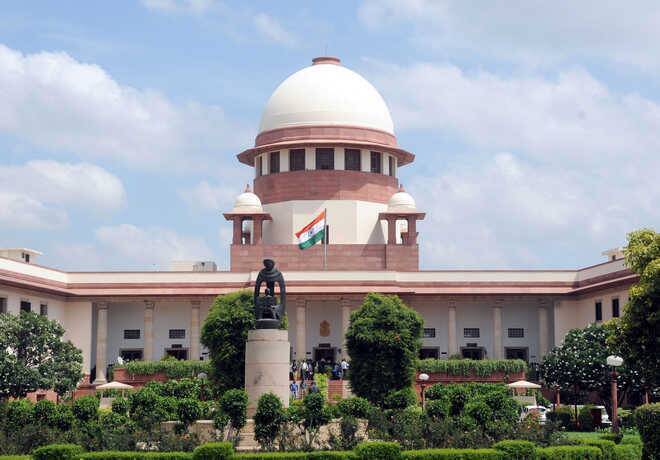
Pay 25% of pending DA to 20 lakh govt employees by March 31: SC to WB govt
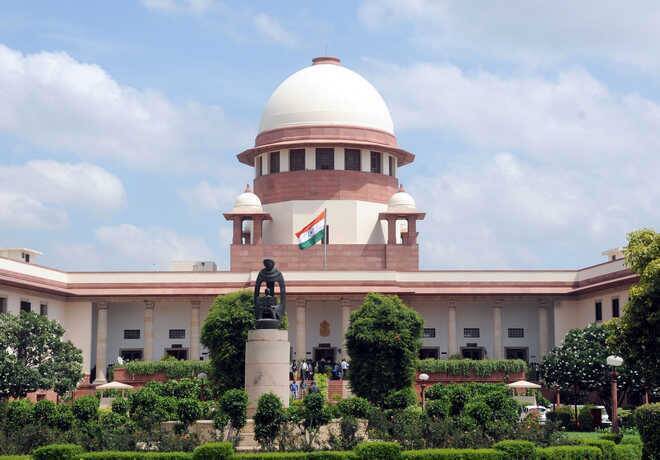
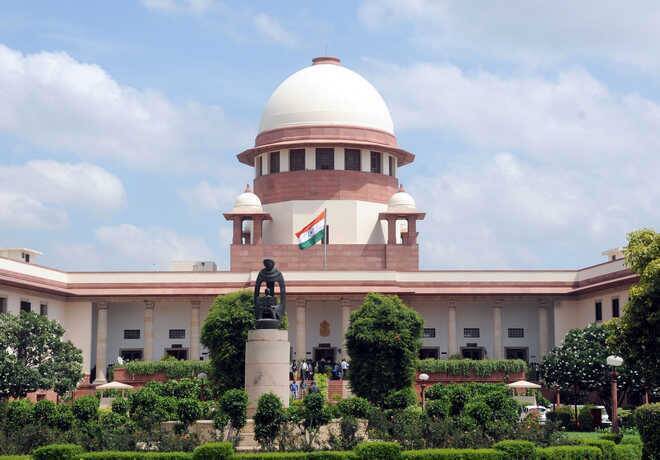
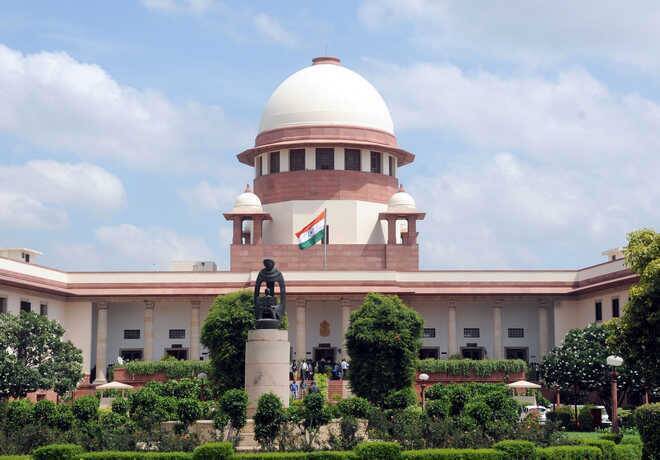
In a significant ruling, the Supreme Court on Thursday directed the West Bengal government to pay 25% of the pending Dearness Allowance (DA) to nearly 20 lakh state government employees by March 31. The court’s order comes as a major relief to the employees who have been waiting for the payment of their pending DA for over a decade. The DA, which is a cost-of-living adjustment paid to government employees, has been pending since 2008 and has accumulated to a significant amount over the years.
The Supreme Court’s order is a result of a long-standing dispute between the West Bengal government and its employees over the payment of DA. The employees have been demanding the payment of their pending DA, which has been pending since 2008, while the state government has been citing financial constraints as a reason for not paying the amount. The employees had approached the court seeking relief, and the court has now directed the state government to pay 25% of the pending DA by March 31.
The court has also set up a high-level committee led by former Supreme Court judge Justice Indu Malhotra to calculate the exact arrears and fix a practical payment schedule. The committee will comprise of representatives from the state government, the employees’ associations, and other stakeholders. The committee will be responsible for calculating the exact amount of pending DA and fixing a payment schedule that is feasible for the state government.
The payment of 25% of the pending DA by March 31 is a significant development, and it is expected to bring relief to the employees who have been waiting for the payment for over a decade. The employees have been facing financial difficulties due to the non-payment of their DA, and the payment of 25% of the pending amount will help them to meet their financial obligations.
The West Bengal government has been facing financial difficulties in recent years, and the payment of the pending DA has been a major challenge for the state government. The state government has been citing financial constraints as a reason for not paying the amount, but the court’s order has made it clear that the payment of the pending DA is a priority.
The Supreme Court’s order is also significant because it sets a precedent for other state governments that have been delaying the payment of DA to their employees. The order makes it clear that the payment of DA is a statutory obligation, and the state governments cannot delay the payment citing financial constraints.
The employees’ associations have welcomed the court’s order and have termed it as a major victory for the employees. The associations have been fighting for the payment of the pending DA for over a decade, and the court’s order has brought relief to the employees.
In conclusion, the Supreme Court’s order directing the West Bengal government to pay 25% of the pending DA to nearly 20 lakh state government employees by March 31 is a significant development. The order brings relief to the employees who have been waiting for the payment for over a decade and sets a precedent for other state governments that have been delaying the payment of DA to their employees. The payment of the pending DA is a statutory obligation, and the state governments cannot delay the payment citing financial constraints.
The court’s order is also significant because it sets up a high-level committee to calculate the exact arrears and fix a practical payment schedule. The committee will comprise of representatives from the state government, the employees’ associations, and other stakeholders, and it will be responsible for calculating the exact amount of pending DA and fixing a payment schedule that is feasible for the state government.
Overall, the Supreme Court’s order is a major victory for the employees, and it is expected to bring relief to the employees who have been facing financial difficulties due to the non-payment of their DA. The order also sets a precedent for other state governments that have been delaying the payment of DA to their employees, and it makes it clear that the payment of DA is a statutory obligation that cannot be delayed.
About the Author