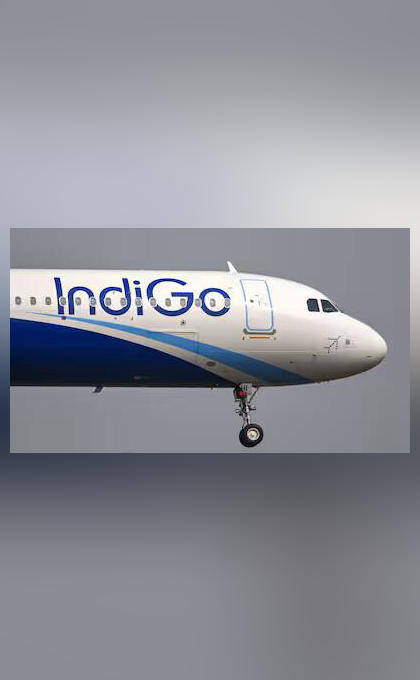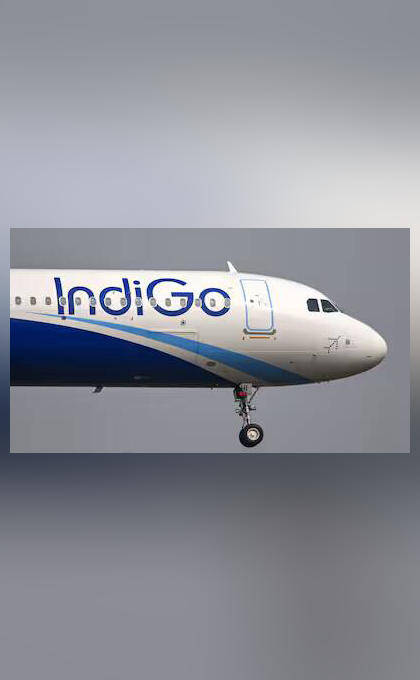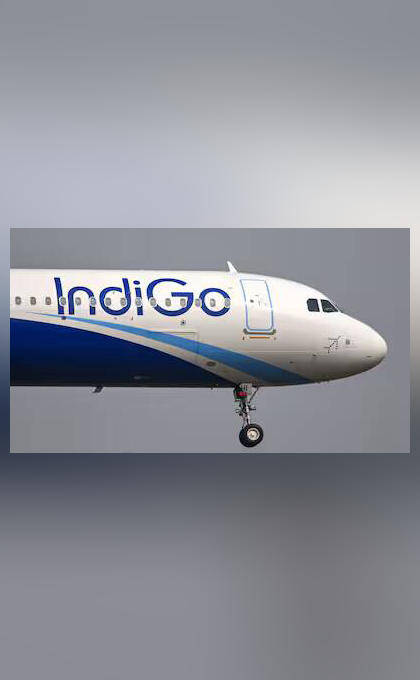
Parliamentary panel pulls up IndiGo, DGCA for unsatisfactory replies over flight crisis
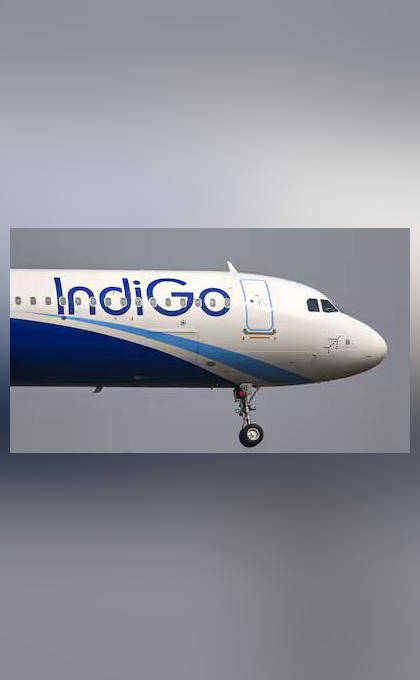
The Indian aviation industry has been facing a severe crisis in recent times, with flights being delayed or cancelled across major airports in the country. The situation has caused inconvenience to thousands of passengers, who have been left stranded at airports, unsure of when their flights will take off. In an effort to get to the bottom of the crisis, a parliamentary panel recently summoned representatives from IndiGo, one of the largest airlines in the country, and the Directorate General of Civil Aviation (DGCA), the regulatory body responsible for overseeing the aviation industry.
The meeting, which was attended by IndiGo’s Chief Operating Officer (COO) Isidro Porqueras, was called to discuss the reasons behind the flight crisis and to find a solution to the problem. However, the parliamentary panel was not satisfied with the replies provided by IndiGo and the DGCA, and has now given them 15 days to respond to its questions.
The panel’s decision to pull up IndiGo and the DGCA is a clear indication of the seriousness of the situation. The flight crisis has been causing chaos across the country, with passengers being forced to wait for hours, and sometimes even days, for their flights to take off. The situation has also had a significant impact on the economy, with businesses and individuals being affected by the delays and cancellations.
The parliamentary panel’s meeting with IndiGo and the DGCA was an opportunity for the airline and the regulatory body to provide a clear explanation for the crisis and to outline a plan to resolve the issue. However, the panel’s dissatisfaction with the replies provided suggests that IndiGo and the DGCA failed to provide a convincing explanation for the crisis, and that their responses were “unsatisfactory and evasive”.
The flight crisis in India is a complex issue, and there are several factors that have contributed to the problem. One of the main reasons is the rapid growth of the aviation industry in the country, which has put a strain on the existing infrastructure. The number of air passengers in India has been increasing rapidly, and the country’s airports have been struggling to cope with the demand.
Another factor that has contributed to the crisis is the shortage of trained personnel, including pilots and air traffic controllers. The aviation industry is highly specialized, and it requires a significant amount of training and expertise to operate safely and efficiently. However, the industry has been facing a shortage of skilled personnel, which has made it difficult for airlines to operate their flights safely and on schedule.
The DGCA, which is responsible for regulating the aviation industry, has also been criticized for its failure to address the crisis. The regulatory body has been accused of being slow to respond to the situation, and of failing to take effective action to prevent the crisis from occurring in the first place.
In addition to the DGCA, the Ministry of Civil Aviation has also been criticized for its handling of the crisis. The ministry, which is responsible for overseeing the aviation industry, has been accused of being ineffective in addressing the crisis, and of failing to provide a clear plan to resolve the issue.
The parliamentary panel’s decision to give IndiGo and the DGCA 15 days to respond to its questions is a clear indication that the situation is being taken seriously. The panel’s action is a step in the right direction, and it is hoped that it will lead to a resolution of the crisis. The Indian aviation industry is a critical component of the country’s economy, and it is essential that the crisis is addressed as soon as possible.
In conclusion, the parliamentary panel’s decision to pull up IndiGo and the DGCA is a significant development in the ongoing flight crisis in India. The situation is complex, and it requires a comprehensive solution that addresses the root causes of the problem. The panel’s action is a step in the right direction, and it is hoped that it will lead to a resolution of the crisis. The Indian aviation industry is a critical component of the country’s economy, and it is essential that the crisis is addressed as soon as possible.
About the Author