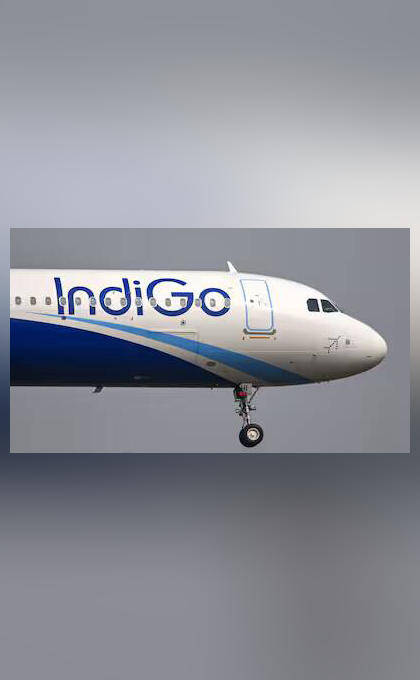
Parliamentary panel pulls up IndiGo, DGCA for unsatisfactory replies over flight crisis
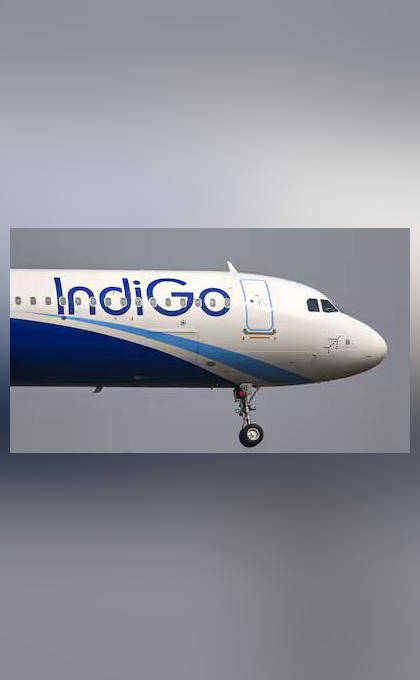
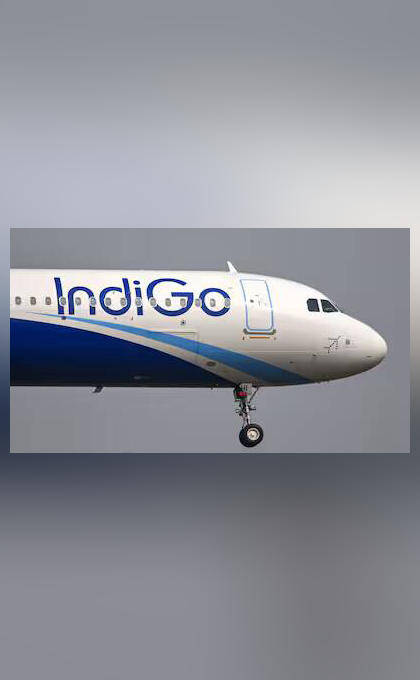
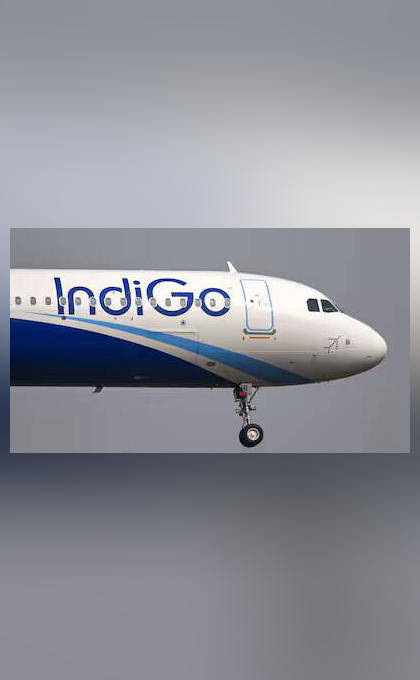
The Indian aviation sector has been facing a severe crisis in recent times, with flights being delayed or cancelled across major airports in the country. The situation has caused inconvenience to thousands of passengers, who have been left stranded or forced to wait for hours at airports. In an effort to get to the bottom of this crisis, a parliamentary panel recently summoned officials from IndiGo, one of the largest airlines in the country, and the Directorate General of Civil Aviation (DGCA), the regulatory body responsible for overseeing the aviation sector.
The parliamentary panel, which was chaired by a senior member of parliament, expressed its displeasure at the “unsatisfactory and evasive” replies provided by IndiGo and DGCA officials to the reasons behind the flight crisis. The panel had sought detailed information from the airline and the regulatory body on the steps being taken to address the crisis, but was unhappy with the responses it received. According to sources, the panel felt that the replies provided by IndiGo and DGCA were incomplete and lacked clarity, and did not provide a clear picture of the measures being taken to resolve the crisis.
IndiGo’s Chief Operating Officer (COO), Isidro Porqueras, was also present at the meeting, and was grilled by the panel members on the airline’s handling of the crisis. The panel sought to know the reasons behind the high number of flight cancellations and delays, and what steps the airline was taking to prevent such incidents in the future. However, the panel was not satisfied with the responses provided by Porqueras, and felt that the airline was not taking the crisis seriously enough.
The DGCA, which is responsible for regulating the aviation sector and ensuring that airlines comply with safety and operational norms, also came in for criticism from the panel. The panel felt that the DGCA had failed to take adequate measures to address the crisis, and had not done enough to hold airlines accountable for their actions. The panel sought to know what steps the DGCA was taking to monitor the performance of airlines and ensure that they were complying with regulatory norms.
Following the meeting, the parliamentary panel gave 15 days to the Ministry of Civil Aviation, IndiGo, and DGCA to respond to its questions and provide detailed information on the steps being taken to address the crisis. The panel also sought information on the measures being taken to prevent such incidents in the future, and to ensure that passengers are not inconvenienced by delays or cancellations.
The flight crisis has been caused by a combination of factors, including a shortage of pilots, air traffic control issues, and technical problems with aircraft. The crisis has been exacerbated by the rapid growth of the aviation sector in India, which has put a strain on infrastructure and resources. The government has been criticized for not doing enough to address the crisis, and for not providing adequate support to the aviation sector.
The parliamentary panel’s action is a welcome step, as it highlights the need for greater accountability and transparency in the aviation sector. The panel’s criticism of IndiGo and DGCA is also justified, as both the airline and the regulatory body have failed to take adequate measures to address the crisis. The 15-day deadline given to the Ministry of Civil Aviation, IndiGo, and DGCA to respond to the panel’s questions is a clear indication that the panel means business, and will not tolerate any further evasiveness or lack of transparency.
In conclusion, the parliamentary panel’s action is a step in the right direction, as it seeks to hold airlines and regulatory bodies accountable for their actions. The panel’s criticism of IndiGo and DGCA is justified, and its demand for greater transparency and accountability is welcome. The government must take the panel’s recommendations seriously, and take immediate action to address the crisis. The aviation sector is a critical component of the Indian economy, and it is essential that it is managed efficiently and effectively.
The government must also take steps to address the root causes of the crisis, including the shortage of pilots and air traffic control issues. This will require a comprehensive approach, including investments in infrastructure and training programs for pilots and air traffic controllers. The government must also ensure that airlines are held accountable for their actions, and that passengers are protected from delays and cancellations.
As the parliamentary panel’s deadline for a response from the Ministry of Civil Aviation, IndiGo, and DGCA approaches, it remains to be seen what action will be taken to address the crisis. One thing is certain, however – the Indian aviation sector is at a crossroads, and it is essential that the government takes immediate action to address the crisis and ensure that the sector is managed efficiently and effectively.
About the Author