Parliamentary Panel Pulls Up IndiGo, DGCA for Unsatisfactory Replies Over Flight Crisis
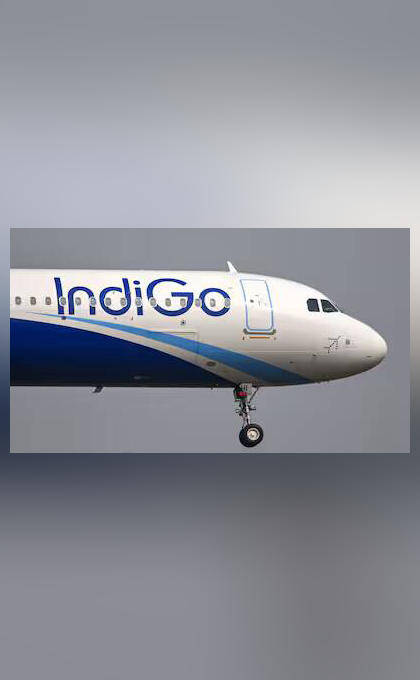
The Indian aviation industry has been facing a severe crisis in recent times, with flight cancellations and delays becoming a common occurrence across major airports. The situation has been causing inconvenience to thousands of passengers, and the government has been under pressure to take action. In a significant development, a parliamentary panel has pulled up IndiGo, the country’s largest airline, and the Directorate General of Civil Aviation (DGCA) for their “unsatisfactory and evasive” replies to the reasons behind the flight crisis.
The parliamentary panel, which is responsible for overseeing the functioning of the civil aviation ministry, had sought explanations from IndiGo and DGCA on the factors contributing to the flight crisis. However, the panel was not satisfied with the responses provided by the airline and the regulatory body, leading to a stern warning. The panel has given 15 days to the Ministry of Civil Aviation, IndiGo, and DGCA to respond to its questions, and it is expected that the trio will provide more detailed and satisfactory explanations this time around.
IndiGo’s Chief Operating Officer (COO), Isidro Porqueras, was also present in the meeting, where the parliamentary panel expressed its disappointment over the airline’s response. The panel’s concerns are not unfounded, as IndiGo has been at the center of the flight crisis, with the airline facing criticism for its handling of the situation. The airline has been struggling to maintain its schedule, and passengers have been facing the brunt of the delays and cancellations.
The DGCA, which is responsible for regulating the aviation industry, has also come under fire for its handling of the crisis. The regulatory body has been accused of not taking adequate measures to address the issues faced by passengers, and its response to the parliamentary panel’s questions has been deemed unsatisfactory. The DGCA’s role is crucial in ensuring that airlines operate safely and efficiently, and its failure to do so has contributed to the current crisis.
The flight crisis has been caused by a combination of factors, including staff shortages, technical issues, and bad weather. However, the parliamentary panel is of the view that the airlines and the DGCA have not done enough to mitigate the problems and minimize the impact on passengers. The panel has sought detailed explanations on the steps being taken to address the staff shortages, improve maintenance procedures, and enhance passenger services.
The action taken by the parliamentary panel is a welcome move, as it highlights the need for accountability in the aviation industry. The panel’s warning to IndiGo and DGCA should serve as a wake-up call for the airline and the regulatory body to take concrete steps to address the issues faced by passengers. The 15-day deadline given to the trio to respond to the panel’s questions is a clear indication that the government is serious about finding solutions to the crisis.
In recent times, the Indian aviation industry has experienced rapid growth, with the number of air travelers increasing significantly. However, this growth has also led to increased pressure on the airlines and the regulatory bodies to ensure that the industry operates efficiently and safely. The current crisis is a reminder that the industry still has a long way to go in terms of providing quality services to passengers.
The parliamentary panel’s intervention is a step in the right direction, as it will help to identify the root causes of the problem and find solutions. The panel’s questions to IndiGo and DGCA are aimed at understanding the factors contributing to the flight crisis and the steps being taken to address them. The panel’s warning to the airline and the regulatory body should also serve as a deterrent to other airlines, which may be facing similar issues.
In conclusion, the parliamentary panel’s action against IndiGo and DGCA is a significant development in the Indian aviation industry. The panel’s warning to the airline and the regulatory body should serve as a wake-up call to take concrete steps to address the issues faced by passengers. The 15-day deadline given to the trio to respond to the panel’s questions is a clear indication that the government is serious about finding solutions to the crisis. As the Indian aviation industry continues to grow, it is essential that the airlines and the regulatory bodies work together to provide quality services to passengers and ensure that the industry operates efficiently and safely.
About the Author