Parliamentary Panel Pulls Up IndiGo, DGCA for Unsatisfactory Replies Over Flight Crisis
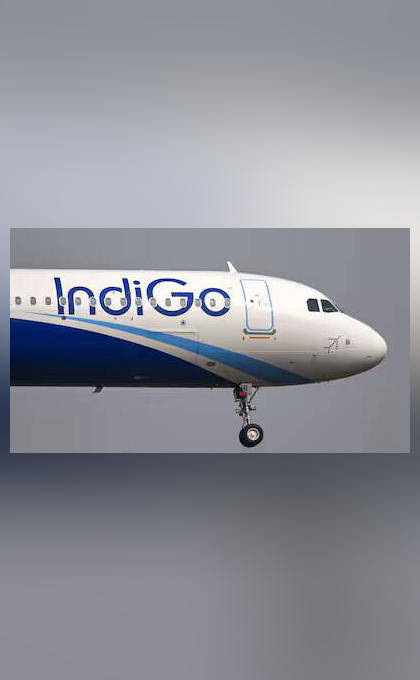
The Indian aviation industry has been facing a severe crisis in recent times, with flights being delayed or cancelled across major airports. The situation has caused inconvenience to thousands of passengers, who have been left stranded or forced to wait for hours at the airport. In an effort to address this issue, a parliamentary panel recently summoned representatives from IndiGo, India’s largest airline, and the Directorate General of Civil Aviation (DGCA), the regulatory body responsible for overseeing the country’s aviation industry.
The parliamentary panel, which was constituted to investigate the reasons behind the flight crisis, was not satisfied with the replies provided by IndiGo and DGCA. The panel members felt that the responses were “unsatisfactory and evasive”, and did not provide any concrete explanations for the problems being faced by the aviation industry. The panel’s chairman expressed his disappointment with the lack of clarity and transparency in the responses, and stated that the committee was not convinced by the explanations provided.
IndiGo’s Chief Operating Officer (COO), Isidro Porqueras, was also present at the meeting, but his presence did not seem to make a significant difference. The panel members were still not satisfied with the responses provided by the airline, and felt that they were not taking the issue seriously enough. The COO’s presence was seen as an attempt to placate the panel, but it seemed to have the opposite effect.
The parliamentary panel has given the Ministry of Civil Aviation, IndiGo, and DGCA 15 days to respond to its questions and provide more detailed explanations for the flight crisis. The panel has also asked for specific data and information on the number of flights being delayed or cancelled, and the reasons behind these disruptions. The committee has made it clear that it will not tolerate any further evasive or unsatisfactory responses, and expects the stakeholders to take the issue seriously and provide concrete solutions.
The flight crisis in India has been caused by a combination of factors, including staff shortages, technical issues, and infrastructure constraints. The DGCA has been criticized for not doing enough to address these issues, and for not taking adequate measures to prevent such disruptions. IndiGo, which is one of the largest airlines in the country, has also been accused of not taking the issue seriously enough, and of not providing adequate support to its passengers.
The parliamentary panel’s decision to pull up IndiGo and DGCA is a significant development, and highlights the seriousness of the issue. The panel’s actions demonstrate that the government is committed to addressing the problems faced by the aviation industry, and is willing to take tough measures to ensure that the stakeholders take the issue seriously. The 15-day deadline given to the Ministry of Civil Aviation, IndiGo, and DGCA is a clear indication that the panel expects concrete action to be taken, and that it will not tolerate any further delays or evasions.
The implications of the parliamentary panel’s actions are significant, and could have far-reaching consequences for the Indian aviation industry. If the stakeholders do not take the issue seriously and provide concrete solutions, it could lead to further disruptions and inconvenience to passengers. On the other hand, if the stakeholders are able to provide satisfactory explanations and solutions, it could help to restore confidence in the aviation industry and prevent such crises in the future.
In conclusion, the parliamentary panel’s decision to pull up IndiGo and DGCA is a welcome development, and highlights the need for urgent action to address the flight crisis in India. The stakeholders must take the issue seriously and provide concrete solutions to prevent such disruptions in the future. The 15-day deadline given to the Ministry of Civil Aviation, IndiGo, and DGCA is a clear indication that the panel expects immediate action, and that it will not tolerate any further delays or evasions.
The Indian aviation industry is a critical component of the country’s economy, and it is essential that it functions smoothly and efficiently. The parliamentary panel’s actions demonstrate that the government is committed to addressing the problems faced by the industry, and is willing to take tough measures to ensure that the stakeholders take the issue seriously. As the industry moves forward, it is essential that the stakeholders prioritize the needs of their passengers, and take concrete steps to prevent such disruptions in the future.
About the Author