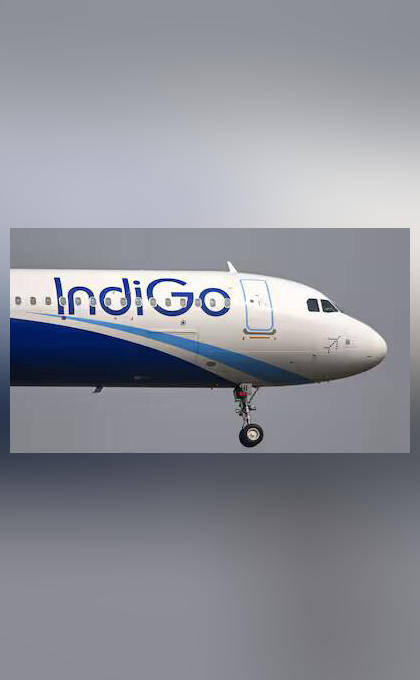
Parliamentary panel pulls up IndiGo, DGCA for unsatisfactory replies over flight crisis
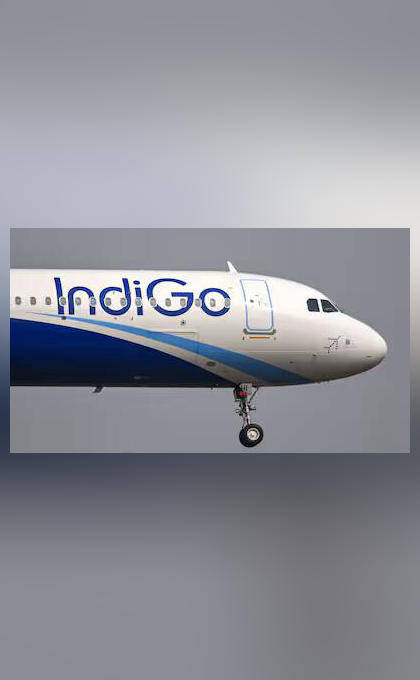
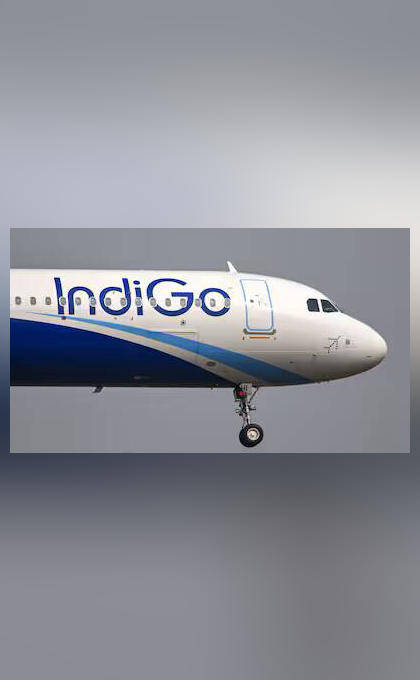
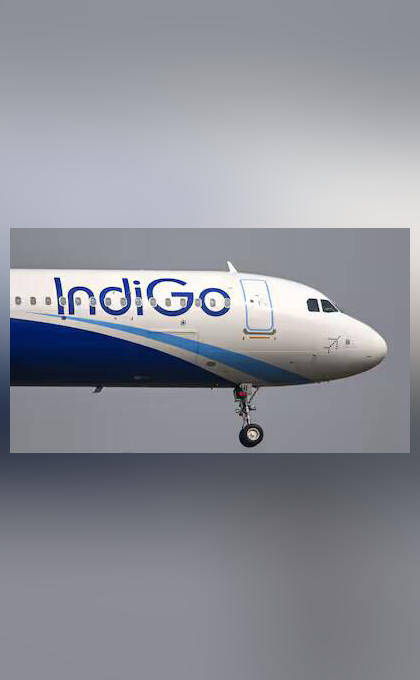
The Indian aviation sector has been grappling with a severe flight crisis, with major airports across the country experiencing significant disruptions and delays. The situation has been exacerbated by the lack of clarity and transparency from the airlines and regulatory bodies. In a recent development, a parliamentary panel has pulled up IndiGo, India’s largest airline, and the Directorate General of Civil Aviation (DGCA) for their “unsatisfactory and evasive” replies to the reasons behind the flight crisis.
The parliamentary panel, which was convened to discuss the ongoing flight crisis, expressed its disappointment and frustration with the responses provided by IndiGo and the DGCA. The panel members felt that the replies were inadequate and failed to provide a clear understanding of the issues leading to the crisis. The panel’s concerns were further compounded by the fact that IndiGo’s Chief Operating Officer, Isidro Porqueras, was present in the meeting, yet the airline’s responses were still found to be wanting.
The flight crisis has been attributed to a combination of factors, including staffing shortages, technical issues, and infrastructure constraints. However, the parliamentary panel was not convinced by the explanations provided by IndiGo and the DGCA, and has given them 15 days to respond to its questions. The panel’s decision to give the airline and the regulatory body a deadline to provide more satisfactory responses is a clear indication of its commitment to getting to the bottom of the issue.
The parliamentary panel’s actions are a welcome move, as they demonstrate a willingness to hold the airline and regulatory bodies accountable for their actions. The flight crisis has caused significant inconvenience to passengers, with many experiencing long delays and cancellations. The situation has also had a negative impact on the country’s economy, with businesses and individuals alike suffering losses due to the disruptions.
The DGCA, which is responsible for regulating the aviation sector, has come under fire for its handling of the crisis. The regulatory body has been accused of being slow to respond to the situation, and of failing to take adequate measures to prevent the crisis from escalating. The DGCA’s response to the parliamentary panel’s questions has been criticized for being evasive and unsatisfactory, which has further eroded confidence in the regulatory body’s ability to manage the crisis.
IndiGo, which is India’s largest airline, has also faced criticism for its handling of the crisis. The airline has been accused of prioritizing profits over passenger safety and convenience, and of failing to invest adequately in its infrastructure and staff. The airline’s responses to the parliamentary panel’s questions have been found to be wanting, which has raised concerns about its commitment to transparency and accountability.
The parliamentary panel’s decision to give the Ministry of Civil Aviation, IndiGo, and the DGCA 15 days to respond to its questions is a significant development. The panel’s actions demonstrate a commitment to holding the airline and regulatory bodies accountable for their actions, and to ensuring that the flight crisis is addressed in a timely and effective manner.
In conclusion, the parliamentary panel’s decision to pull up IndiGo and the DGCA for their unsatisfactory replies over the flight crisis is a welcome move. The panel’s actions demonstrate a commitment to transparency and accountability, and a willingness to hold the airline and regulatory bodies responsible for their actions. The flight crisis has caused significant inconvenience to passengers, and it is imperative that the airline and regulatory bodies take immediate action to address the issue.
As the situation continues to unfold, it is essential that the airline and regulatory bodies prioritize passenger safety and convenience. The parliamentary panel’s decision to give the Ministry of Civil Aviation, IndiGo, and the DGCA 15 days to respond to its questions is a significant development, and it is hoped that the airline and regulatory bodies will take this opportunity to provide more satisfactory responses.
The flight crisis has highlighted the need for greater transparency and accountability in the aviation sector. The parliamentary panel’s actions are a step in the right direction, and it is hoped that they will lead to a more comprehensive and effective response to the crisis.
About the Author