Parliamentary panel pulls up IndiGo, DGCA for unsatisfactory replies over flight crisis
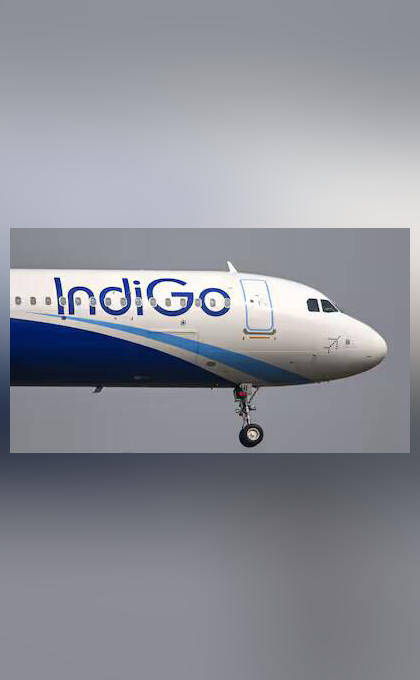
The Indian aviation industry has been facing a severe crisis in recent times, with flights being delayed or cancelled across major airports in the country. The situation has caused immense inconvenience to passengers, who have been left stranded and frustrated. In an effort to address the issue, a parliamentary panel recently summoned representatives from IndiGo, one of the largest airlines in India, and the Directorate General of Civil Aviation (DGCA), the regulatory body responsible for overseeing the aviation industry. However, the panel was left unimpressed with the responses it received from the two entities.
According to reports, the parliamentary panel pulled up IndiGo and DGCA for their “unsatisfactory and evasive” replies to the reasons behind the flight crisis. The panel, which was chaired by a senior lawmaker, expressed its disappointment and frustration with the lack of clarity and transparency in the responses provided by the airline and the regulatory body. The panel members felt that the replies were inadequate and did not provide any concrete solutions to the problems being faced by the aviation industry.
The meeting, which was attended by IndiGo’s Chief Operating Officer (COO) Isidro Porqueras, was called to discuss the recent spate of flight disruptions and cancellations across major Indian airports. The panel members asked a series of questions to the representatives from IndiGo and DGCA, seeking to understand the reasons behind the crisis and the steps being taken to address the issue. However, the responses provided by the two entities were deemed unsatisfactory by the panel.
The parliamentary panel gave 15 days to the Ministry of Civil Aviation, IndiGo, and DGCA to respond to its questions and provide detailed information on the steps being taken to address the flight crisis. The panel members made it clear that they expected a more detailed and satisfactory response from the three entities, and that they would not tolerate any further evasiveness or lack of transparency.
The flight crisis in India has been caused by a combination of factors, including staffing shortages, technical issues, and infrastructure constraints. The situation has been exacerbated by the rapid growth of the aviation industry in India, which has put a strain on the country’s airport infrastructure and staffing resources. The crisis has resulted in significant delays and cancellations, causing inconvenience to thousands of passengers.
IndiGo, which is one of the largest airlines in India, has been particularly affected by the crisis. The airline has been facing staffing shortages, which have resulted in the cancellation of several flights. The airline has also been facing technical issues with its aircraft, which have further added to the crisis.
The DGCA, which is responsible for regulating the aviation industry in India, has also come under criticism for its handling of the crisis. The regulatory body has been accused of being slow to respond to the crisis, and of not taking adequate measures to address the issues facing the industry.
The parliamentary panel’s decision to pull up IndiGo and DGCA is a significant development, and highlights the seriousness of the crisis facing the aviation industry in India. The panel’s actions are expected to put pressure on the two entities to take concrete steps to address the issue, and to provide more transparency and clarity on the measures being taken to resolve the crisis.
In conclusion, the parliamentary panel’s decision to pull up IndiGo and DGCA is a welcome move, and highlights the need for greater transparency and accountability in the aviation industry. The panel’s actions are expected to put pressure on the two entities to take concrete steps to address the flight crisis, and to provide more satisfactory responses to the questions being asked. The Indian aviation industry is facing a significant crisis, and it is essential that all stakeholders, including airlines, regulatory bodies, and government agencies, work together to address the issue and provide a better experience for passengers.
About the Author