Parliamentary panel pulls up IndiGo, DGCA for unsatisfactory replies over flight crisis
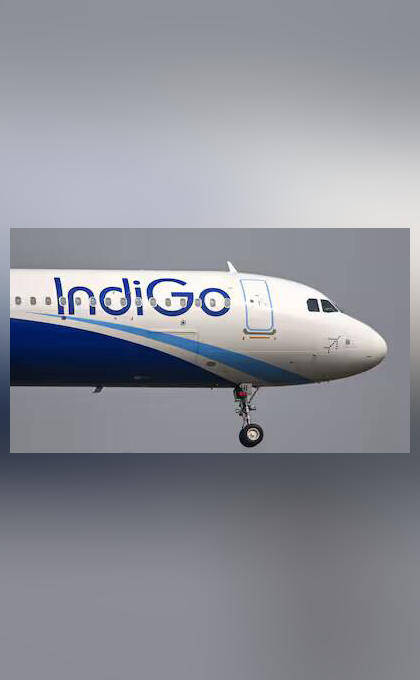
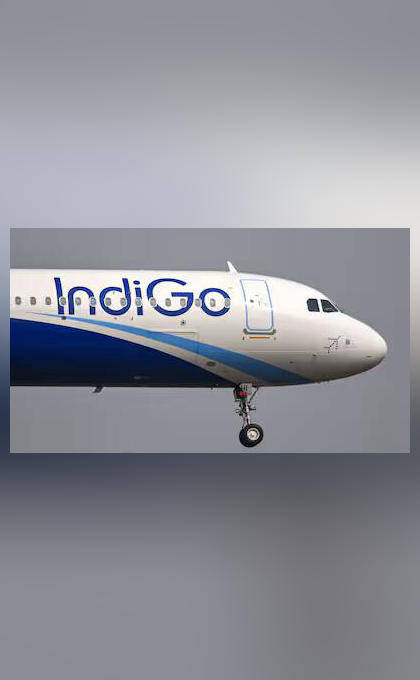
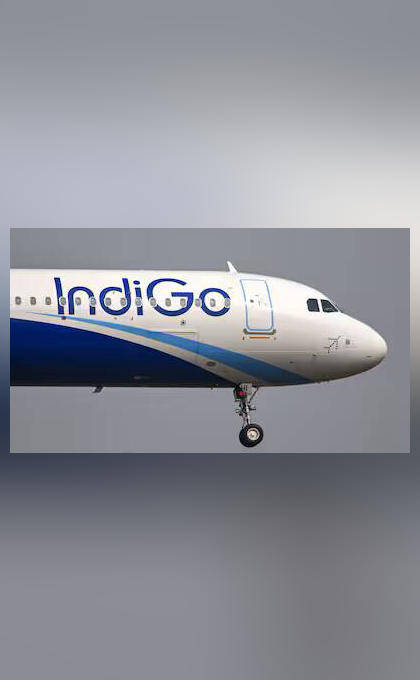
The Indian aviation industry has been facing a severe crisis in recent times, with flights being delayed or cancelled across major airports. The situation has caused inconvenience to thousands of passengers, who have been left stranded and frustrated. In an effort to get to the bottom of the issue, a parliamentary panel recently summoned representatives from IndiGo, India’s largest airline, and the Directorate General of Civil Aviation (DGCA), the regulatory body responsible for overseeing the aviation industry.
The meeting, which was attended by IndiGo’s Chief Operating Officer (COO) Isidro Porqueras, was convened to discuss the reasons behind the flight crisis and to find a solution to the problem. However, the panel was not satisfied with the replies provided by IndiGo and the DGCA, terming them “unsatisfactory and evasive”. The panel has given the Ministry of Civil Aviation, IndiGo, and the DGCA 15 days to respond to its questions and provide a detailed explanation for the flight crisis.
The parliamentary panel’s decision to pull up IndiGo and the DGCA is a clear indication of the seriousness of the situation. The panel is determined to get to the root of the problem and to find a solution that will alleviate the suffering of passengers. The fact that the panel has given the parties involved a deadline to respond to its questions suggests that it is not willing to tolerate any further delays or excuses.
The flight crisis in India has been attributed to a variety of factors, including staff shortages, technical issues, and bad weather. However, the frequency and severity of the disruptions suggest that there may be deeper, more systemic issues at play. The parliamentary panel’s investigation is likely to focus on these underlying issues, including the adequacy of the DGCA’s regulatory framework and the effectiveness of IndiGo’s management practices.
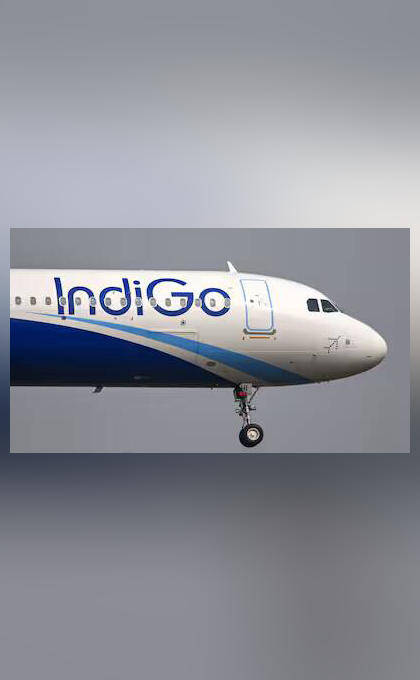
IndiGo, which is India’s largest airline, has been at the center of the flight crisis. The airline has been experiencing a high rate of flight cancellations and delays, which has caused frustration and inconvenience to its passengers. The airline has attributed the disruptions to a variety of factors, including staff shortages and technical issues. However, the parliamentary panel’s decision to pull up the airline suggests that it is not satisfied with these explanations and is seeking more detailed and convincing answers.
The DGCA, which is responsible for regulating the aviation industry, has also come under scrutiny. The regulatory body has been criticized for its failure to prevent the flight crisis and for its inadequate response to the situation. The parliamentary panel’s decision to pull up the DGCA suggests that it is not satisfied with the body’s performance and is seeking improvements.
The parliamentary panel’s investigation into the flight crisis is a welcome development, as it suggests that the authorities are taking the issue seriously and are determined to find a solution. The panel’s decision to give the parties involved a deadline to respond to its questions suggests that it is not willing to tolerate any further delays or excuses. The investigation is likely to shed more light on the underlying causes of the flight crisis and to identify areas for improvement.
In conclusion, the parliamentary panel’s decision to pull up IndiGo and the DGCA is a clear indication of the seriousness of the flight crisis in India. The panel’s investigation is likely to shed more light on the underlying causes of the crisis and to identify areas for improvement. The fact that the panel has given the parties involved a deadline to respond to its questions suggests that it is not willing to tolerate any further delays or excuses. As the investigation continues, it is hoped that a solution to the flight crisis will be found, and that passengers will be able to travel without the fear of delays or cancellations.
About the Author