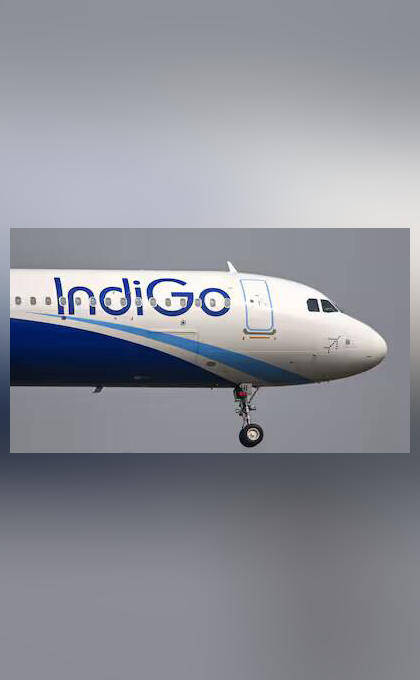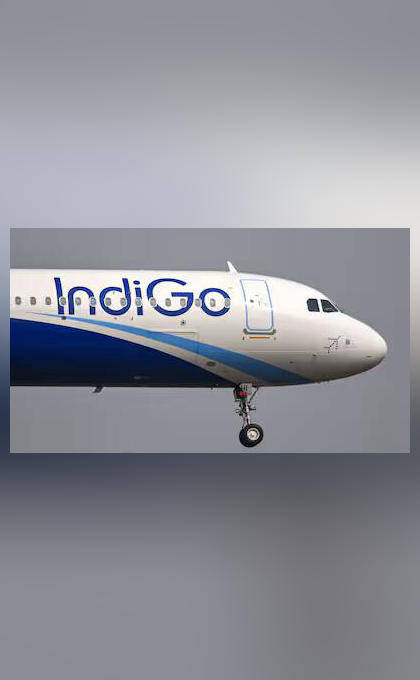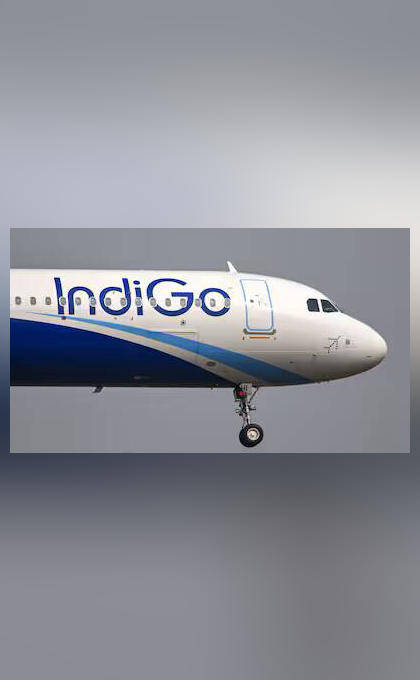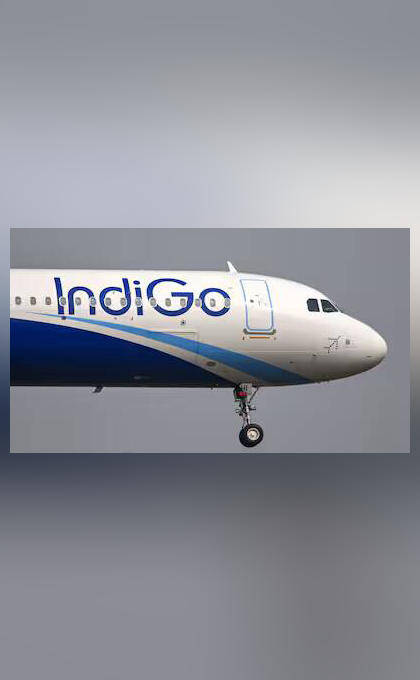
Parliamentary panel pulls up IndiGo, DGCA for unsatisfactory replies over flight crisis
The Indian aviation industry has been plagued by a series of flight disruptions and cancellations in recent times, causing inconvenience to thousands of passengers across the country. The situation has been particularly dire at major Indian airports, where passengers have been forced to endure long wait times, delayed flights, and last-minute cancellations. In an effort to get to the bottom of this crisis, a parliamentary panel recently summoned representatives from IndiGo, India’s largest airline, and the Directorate General of Civil Aviation (DGCA), the regulatory body responsible for overseeing the country’s aviation industry.
The parliamentary panel, tasked with investigating the reasons behind the flight crisis, was left unimpressed by the responses provided by IndiGo and the DGCA. The panel members expressed their dissatisfaction with the “unsatisfactory and evasive” replies, which failed to provide any concrete explanations for the disruptions. The panel’s chairman, along with other members, pulled up IndiGo and the DGCA for their inadequate responses, which seemed to be lacking in both substance and sincerity.
One of the key issues that the panel sought to address was the recent spate of flight cancellations and delays, which have been attributed to a variety of factors, including technical issues, staffing shortages, and adverse weather conditions. However, the panel members were not convinced by the explanations provided by IndiGo and the DGCA, which seemed to be shifting the blame rather than taking responsibility for the problems.
IndiGo’s Chief Operating Officer, Isidro Porqueras, was also present at the meeting, where he faced tough questions from the panel members. Despite his efforts to explain the situation, the panel members remained unconvinced, citing the need for more concrete and actionable solutions to address the crisis. The panel’s dissatisfaction with the responses provided by IndiGo and the DGCA is a clear indication that the aviation industry is under intense scrutiny, and that the regulatory bodies and airlines will be held accountable for their actions.
The parliamentary panel has given the Ministry of Civil Aviation, IndiGo, and the DGCA 15 days to respond to its questions and provide more satisfactory explanations for the flight crisis. The panel’s deadline is a clear indication that the government is serious about addressing the issues plaguing the aviation industry and that it will not tolerate any further evasiveness or lack of accountability.
The flight crisis has had a significant impact on the traveling public, with many passengers facing inconvenience, financial losses, and emotional distress. The situation has also raised concerns about the safety and reliability of the Indian aviation industry, which has been growing rapidly in recent years. The parliamentary panel’s intervention is a welcome step towards addressing these concerns and ensuring that the industry is held to the highest standards of safety, efficiency, and customer service.
In conclusion, the parliamentary panel’s decision to pull up IndiGo and the DGCA for their unsatisfactory replies is a significant development in the ongoing flight crisis. The panel’s actions demonstrate a commitment to holding the aviation industry accountable for its actions and ensuring that the traveling public is protected from any further disruptions. As the industry continues to grapple with the challenges posed by the flight crisis, it is essential that all stakeholders, including airlines, regulatory bodies, and government agencies, work together to provide a safe, efficient, and reliable air travel experience for all passengers.
The next 15 days will be crucial in determining the course of action that the Ministry of Civil Aviation, IndiGo, and the DGCA will take to address the concerns raised by the parliamentary panel. The industry will be watching closely to see how the situation unfolds and what measures are taken to prevent such crises in the future. One thing is certain, however – the parliamentary panel’s intervention has sent a clear message that the aviation industry will be held accountable for its actions, and that the traveling public will not be ignored.
As the situation continues to unfold, it is essential that all stakeholders remain vigilant and proactive in addressing the challenges facing the Indian aviation industry. The parliamentary panel’s actions are a step in the right direction, and it is now up to the industry to respond with concrete solutions and a commitment to improving the air travel experience for all passengers.
About the Author