Opp’n walks out of RS demanding discussion on India-US trade deal
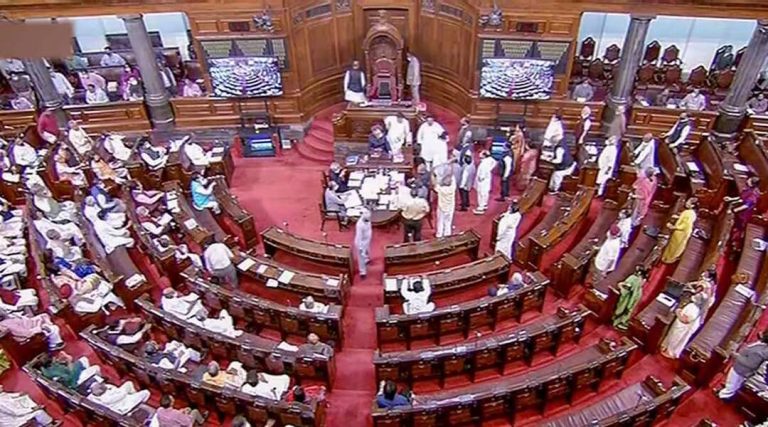
The Rajya Sabha witnessed a dramatic turn of events on Tuesday when several Opposition MPs staged a walkout, demanding a discussion on the India-US trade deal. The issue was raised by Congress MP Jairam Ramesh, who sought to initiate a debate on the matter amid protests from various Opposition parties. The government, however, expressed its willingness to engage in a discussion, with Union Minister JP Nadda stating that they were ready to address the concerns of the Opposition.
The India-US trade deal has been a topic of significant interest and controversy in recent times. The agreement, which aims to enhance trade relations between the two countries, has been hailed by some as a major breakthrough, while others have expressed concerns about its potential impact on India’s economy and industries. The Opposition parties have been vocal in their criticism of the deal, alleging that it favors American interests at the expense of Indian businesses and workers.
The walkout by Opposition MPs was a clear indication of their dissatisfaction with the government’s handling of the issue. The MPs, who belonged to various parties, including the Congress, Trinamool Congress, and the Left, demanded that the government come clean on the details of the deal and its implications for India. They argued that the agreement had far-reaching consequences and that it was essential to have a thorough discussion on the matter before it was finalized.
Jairam Ramesh, who raised the issue in the Rajya Sabha, pointed out that the trade deal had significant implications for India’s agriculture, pharmaceutical, and manufacturing sectors. He alleged that the agreement would lead to an influx of cheap American imports, which would harm Indian industries and workers. Ramesh also expressed concerns about the potential impact of the deal on India’s intellectual property rights and its ability to regulate its own economy.
The Opposition MPs also criticized the government for not being transparent about the negotiations and the terms of the agreement. They alleged that the government had not consulted with stakeholders, including industry leaders, farmers, and workers, before finalizing the deal. This lack of transparency, they argued, was unacceptable and undermined the democratic process.
In response to the Opposition’s demands, Union Minister JP Nadda stated that the government was ready to discuss the India-US trade deal. He assured the MPs that the government would address their concerns and provide all the necessary information about the agreement. Nadda also pointed out that the deal was still in the negotiation phase and that the government was open to making changes based on the feedback from various stakeholders.
Despite the government’s assurances, the Opposition MPs remained unconvinced and decided to stage a walkout. The walkout was a symbolic protest against the government’s handling of the issue and a demonstration of their commitment to protecting Indian interests. The Opposition parties have vowed to continue their agitation and demand a thorough discussion on the India-US trade deal.
The walkout by Opposition MPs has significant implications for the government and the future of the India-US trade deal. It highlights the deep divisions within the country about the agreement and the need for a more transparent and inclusive approach to trade negotiations. The government must now decide how to respond to the Opposition’s demands and whether to engage in a more meaningful dialogue with stakeholders.
In conclusion, the walkout by Opposition MPs in the Rajya Sabha was a significant development in the ongoing debate about the India-US trade deal. The issue has sparked intense passions and concerns about the potential impact of the agreement on India’s economy and industries. The government must now demonstrate its commitment to transparency and accountability by engaging in a thorough discussion on the matter. Only then can the country move forward with confidence and ensure that the trade deal serves the interests of all Indians.
About the Author