No link between air pollution & deaths: Govt
The Indian government has made a startling claim that there is no conclusive data to establish a direct link between air pollution and deaths in the country. This statement was made by Minister of State for Health, Prataprao Jadhav, in the Rajya Sabha on Tuesday. According to Jadhav, the health effects of air pollution are not solely caused by pollution, but rather are a complex interplay of various factors.
“The health effects of air pollution are a synergistic manifestation of factors, which include food habits, occupational habits, socioeconomic status, medical history, immunity, heredity, etc,” Jadhav said. This statement suggests that the government is taking a more nuanced view of the relationship between air pollution and health, recognizing that it is just one of many factors that can contribute to adverse health outcomes.
The claim that there is no direct link between air pollution and deaths is likely to be met with skepticism by environmentalists and health experts, who have long argued that air pollution is a major public health concern. Air pollution is known to cause a range of health problems, including respiratory diseases, cardiovascular disease, and even cancer. The World Health Organization (WHO) estimates that air pollution is responsible for around 7 million premature deaths worldwide each year.
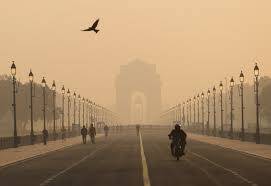
In India, the problem of air pollution is particularly acute. The country is home to some of the most polluted cities in the world, with Delhi and other major urban centers often experiencing hazardous levels of air pollution. The pollution is caused by a combination of factors, including vehicle emissions, industrial activity, and the burning of fossil fuels.
Despite the severity of the problem, the Indian government has been criticized for its lack of action on air pollution. The government has introduced some measures to reduce pollution, such as restrictions on vehicle emissions and the promotion of cleaner fuels. However, these efforts have been insufficient to address the scale of the problem, and air pollution remains a major public health concern.
The government’s claim that there is no direct link between air pollution and deaths is also at odds with the findings of many scientific studies. These studies have consistently shown that exposure to air pollution is associated with a range of adverse health outcomes, including increased mortality. For example, a study published in the journal Lancet found that air pollution was responsible for around 1.2 million deaths in India in 2017.
It is possible that the government’s claim is based on a lack of data, rather than a genuine attempt to downplay the health effects of air pollution. India’s air pollution monitoring network is still in its infancy, and there is a need for more research on the health effects of pollution in the country. However, this lack of data does not justify the government’s claim that there is no link between air pollution and deaths.
Instead, the government should be taking a more proactive approach to addressing the problem of air pollution. This could include increasing funding for air pollution research, improving the air pollution monitoring network, and introducing more effective policies to reduce pollution. For example, the government could introduce stricter emissions standards for vehicles, promote the use of cleaner fuels, and increase investment in renewable energy.
In conclusion, the Indian government’s claim that there is no direct link between air pollution and deaths is a surprising and controversial statement. While it is true that the relationship between air pollution and health is complex, and that many factors contribute to adverse health outcomes, the scientific evidence is clear that air pollution is a major public health concern. The government should be taking a more proactive approach to addressing this problem, rather than downplaying its significance.
The government’s statement has sparked a debate about the impact of air pollution on public health, and the need for more effective policies to address the problem. As the discussion continues, it is essential to consider the scientific evidence and the experiences of other countries that have successfully reduced air pollution. By working together, we can create a healthier and more sustainable future for all Indians.
News Source: https://x.com/PTI_News/status/1998360503333355572
About the Author