No link between air pollution & deaths: Govt
The Indian government has made a startling claim, stating that there is no conclusive evidence to establish a direct link between air pollution and deaths in the country. This assertion was made by Minister of State for Health, Prataprao Jadhav, in the Rajya Sabha on Tuesday. According to Jadhav, the health effects of air pollution are a complex interplay of various factors, including food habits, occupational habits, socioeconomic status, medical history, immunity, and heredity, among others.
The minister’s statement has sparked a heated debate, with many experts and environmentalists expressing their disagreement with the government’s stance. They argue that the link between air pollution and deaths is well-established and backed by scientific evidence. The World Health Organization (WHO) has consistently highlighted the detrimental effects of air pollution on human health, estimating that approximately 7 million people worldwide die prematurely every year due to air pollution.
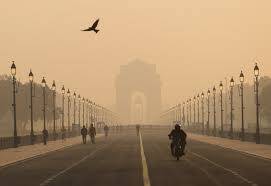
In India, the situation is particularly grim, with the country being home to some of the most polluted cities in the world. The capital city, New Delhi, has consistently ranked among the top most polluted cities globally, with air quality indexes often reaching hazardous levels. The city’s residents are exposed to a toxic mix of particulate matter, nitrogen dioxide, and other pollutants, which can cause a range of health problems, from respiratory issues to cardiovascular disease.
Despite the overwhelming evidence, the government’s claim that there is no direct link between air pollution and deaths has raised eyebrows. Many have questioned the government’s motives, suggesting that the statement may be an attempt to downplay the severity of the issue. Others have pointed out that the government’s stance is at odds with the findings of numerous scientific studies, which have consistently shown that air pollution is a major public health concern.
So, what does the science say?Numerous studies have investigated the link between air pollution and health outcomes, and the evidence is clear: air pollution is a significant risk factor for a range of health problems. Exposure to particulate matter, for example, has been shown to increase the risk of cardiovascular disease, respiratory disease, and even cancer. The WHO has set guidelines for air quality, and exceeding these guidelines can have serious health consequences.
In India, the problem is compounded by the fact that many cities lack effective air quality monitoring systems, making it difficult to track the extent of the problem. Additionally, the country’s rapid urbanization and industrialization have led to a significant increase in air pollution, with the transportation sector, industrial activities, and construction being major contributors.
The government’s claim that the health effects of air pollution are a synergistic manifestation of various factors is not entirely incorrect. It is true that individual susceptibility to air pollution can vary greatly, depending on factors such as age, health status, and socioeconomic background. However, this does not mean that air pollution is not a significant contributor to health problems.
In fact, studies have shown that even short-term exposure to poor air quality can have serious health consequences, particularly for vulnerable populations such as children, the elderly, and those with pre-existing medical conditions. The government’s statement seems to downplay the importance of addressing air pollution as a public health priority, which is a cause for concern.
So, what can be done to address the issue of air pollution in India? Firstly, the government needs to acknowledge the severity of the problem and take concrete steps to address it. This includes investing in air quality monitoring systems, implementing policies to reduce emissions from vehicles and industries, and promoting sustainable urban planning.
Individuals can also play a role by making conscious choices to reduce their contribution to air pollution. This can include using public transport, carpooling, or driving electric or hybrid vehicles. Additionally, people can take steps to protect themselves from air pollution, such as wearing masks, staying indoors during peak pollution hours, and using air purifiers.
In conclusion, the government’s claim that there is no link between air pollution and deaths is a controversial statement that has sparked debate and concern. While it is true that individual susceptibility to air pollution can vary, the scientific evidence is clear: air pollution is a significant public health concern that needs to be addressed. The government must take concrete steps to reduce air pollution, and individuals must also play their part in reducing their contribution to the problem.
Source: https://x.com/PTI_News/status/1998360503333355572
About the Author