No link between air pollution & deaths: Govt
The Indian government has sparked a heated debate by claiming that there is no conclusive evidence to establish a direct link between air pollution and deaths in the country. Minister of State for Health, Prataprao Jadhav, made this statement in the Rajya Sabha on Tuesday, citing the complex interplay of various factors that contribute to health effects. According to Jadhav, “The health effects of air pollution are a synergistic manifestation of factors, which include food habits, occupational habits, socioeconomic status, medical history, immunity, heredity, etc.” This statement has raised eyebrows among environmentalists, health experts, and the general public, who have been advocating for stricter measures to curb air pollution in India.
The government’s stance on this issue is surprising, given the overwhelming evidence from around the world that air pollution is a significant contributor to premature deaths. The World Health Organization (WHO) estimates that approximately 7 million people die prematurely every year due to air pollution, with the majority of these deaths occurring in low- and middle-income countries like India. The WHO has also identified air pollution as one of the top 10 risks to health globally, along with other factors like tobacco use, physical inactivity, and unhealthy diets.
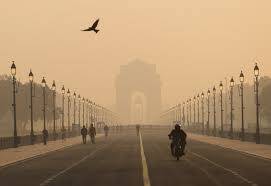
In India, the problem of air pollution is particularly acute, with many cities experiencing severe levels of pollution during the winter months. The capital city, Delhi, is often referred to as a “gas chamber” due to its hazardous air quality, which is caused by a combination of factors like vehicular emissions, industrial pollution, and crop burning. The city’s air quality index often exceeds the safe limits, putting the health of its residents at risk. Other cities like Mumbai, Kolkata, and Chennai also experience high levels of air pollution, which can have serious health implications for their inhabitants.
Despite the government’s claims, there is ample evidence to suggest that air pollution is a significant contributor to health problems in India. Studies have shown that exposure to poor air quality can lead to a range of health issues, including respiratory problems like asthma and chronic obstructive pulmonary disease (COPD), cardiovascular disease, and even cancer. The health effects of air pollution are not limited to these conditions; it can also exacerbate existing health problems, making it difficult for people to manage their conditions.
One of the main challenges in establishing a direct link between air pollution and deaths is the lack of reliable data in India. The government’s claim that there is no conclusive evidence to support this link may be due to the fact that the country’s health data collection systems are not robust enough to capture the impact of air pollution on health outcomes. However, this does not mean that the problem does not exist or that the government should not take steps to address it.
In fact, the government has a moral obligation to protect the health and well-being of its citizens, particularly those who are most vulnerable to the effects of air pollution, such as children, the elderly, and people with pre-existing health conditions. This can be achieved by implementing policies and programs that reduce air pollution, such as promoting the use of clean energy, increasing the use of public transport, and enforcing strict emissions standards for vehicles and industries.
The government’s statement has been met with criticism from environmentalists and health experts, who argue that it is a attempt to downplay the severity of the air pollution problem in India. They point out that the government has a responsibility to protect the health of its citizens and that it should be taking concrete steps to address the issue, rather than making claims that are not supported by scientific evidence.
In conclusion, the Indian government’s claim that there is no link between air pollution and deaths is a controversial statement that has sparked a heated debate. While the government may argue that the health effects of air pollution are complex and multifaceted, it is clear that air pollution is a significant contributor to health problems in India. The government has a moral obligation to protect the health and well-being of its citizens and should be taking concrete steps to address the issue, rather than making claims that are not supported by scientific evidence.
Source: https://x.com/PTI_News/status/1998360503333355572
About the Author