No link between air pollution & deaths: Govt
The Indian government has made a startling claim that there is no conclusive data to establish a direct link between deaths and air pollution. This statement was made by Minister of State for Health, Prataprao Jadhav, in the Rajya Sabha on Tuesday. According to Jadhav, the health effects of air pollution are a complex interplay of various factors, including food habits, occupational habits, socioeconomic status, medical history, immunity, and heredity.
This statement has sparked a heated debate among environmentalists, health experts, and the general public. While the government’s claim may seem surprising, it is essential to delve deeper into the issue and understand the complexities of air pollution and its impact on human health. In this blog post, we will explore the relationship between air pollution and mortality, examine the government’s claim, and discuss the implications of this statement.
The Impact of Air Pollution on Human Health
Air pollution is a significant public health concern worldwide. The World Health Organization (WHO) estimates that nine out of ten people globally breathe polluted air, resulting in seven million premature deaths annually. Air pollution is a complex mixture of gases, particulate matter, and other pollutants that can come from various sources, including industrial activities, vehicle emissions, and biomass burning.
The health effects of air pollution are well-documented and include a range of respiratory, cardiovascular, and neurological problems. Exposure to poor air quality can exacerbate existing medical conditions, such as asthma, chronic obstructive pulmonary disease (COPD), and heart disease. Moreover, long-term exposure to air pollution has been linked to an increased risk of lung cancer, stroke, and other life-threatening diseases.
The Indian Context
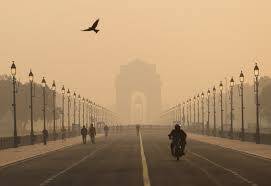
India is one of the most polluted countries in the world, with many cities experiencing severe air pollution problems. The capital city, Delhi, is often ranked as one of the most polluted cities globally, with particulate matter (PM) levels frequently exceeding safe limits. Other Indian cities, such as Mumbai, Kolkata, and Bangalore, also struggle with poor air quality.
The health impacts of air pollution in India are significant, with estimates suggesting that over a million people die prematurely each year due to exposure to poor air quality. The economic burden of air pollution is also substantial, with a study by the World Bank estimating that India loses around 8.5% of its GDP annually due to air pollution-related health problems.
The Government’s Claim
In light of these statistics, the government’s claim that there is no conclusive data to establish a direct link between deaths and air pollution seems surprising. Minister Jadhav’s statement suggests that the health effects of air pollution are a complex interplay of various factors, including lifestyle, socioeconomic status, and medical history.
While it is true that air pollution is just one of many factors that can contribute to poor health outcomes, the scientific evidence overwhelmingly suggests that exposure to poor air quality is a significant risk factor for a range of health problems. The government’s claim may be seen as an attempt to downplay the severity of the air pollution problem in India or to shift the focus away from the need for urgent action to address this issue.
Implications and Conclusion
The government’s statement has significant implications for India’s environmental and health policies. If the government is not willing to acknowledge the link between air pollution and mortality, it may be less likely to take decisive action to address this issue. This could result in continued exposure to poor air quality, with devastating consequences for public health.
In conclusion, while the government’s claim that there is no conclusive data to establish a direct link between deaths and air pollution may seem surprising, it is essential to consider the complexities of this issue. The scientific evidence overwhelmingly suggests that air pollution is a significant risk factor for a range of health problems, and urgent action is needed to address this issue.
As the government and policymakers consider the best course of action to address India’s air pollution problem, it is crucial that they prioritize the health and well-being of citizens. This includes investing in clean energy, improving public transportation, and implementing policies to reduce emissions from industrial activities and vehicles.
Ultimately, the link between air pollution and mortality is just one aspect of a broader conversation about the need for sustainable development and environmental protection in India. As the country continues to grow and develop, it is essential that policymakers prioritize the health and well-being of citizens and take decisive action to address the pressing issue of air pollution.
News Source: https://x.com/PTI_News/status/1998360503333355572
About the Author