No link between air pollution & deaths: Govt
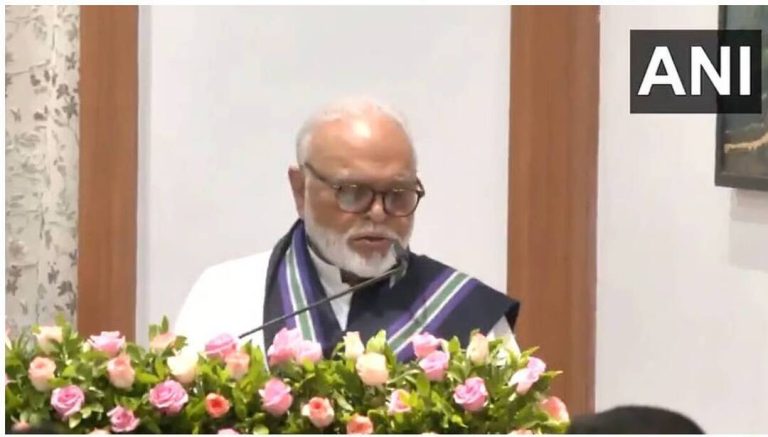
The Indian government has made a startling claim that there is no conclusive data to establish a direct link between deaths and air pollution in the country. This statement was made by Minister of State for Health, Prataprao Jadhav, in the Rajya Sabha on Tuesday. According to Jadhav, the health effects of air pollution are a complex interplay of various factors, including food habits, occupational habits, socioeconomic status, medical history, immunity, and heredity.
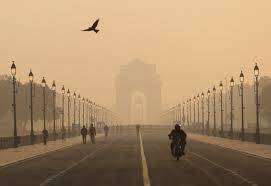
Jadhav’s statement has sparked a heated debate about the impact of air pollution on public health in India. The country has been grappling with severe air pollution problems, particularly in urban areas, with cities like Delhi and Mumbai consistently ranking among the most polluted cities in the world. The air quality in these cities is often hazardous, with high levels of particulate matter, nitrogen dioxide, and other pollutants that can cause respiratory problems, cardiovascular disease, and even cancer.
Despite the overwhelming evidence of the harmful effects of air pollution, the government’s claim that there is no direct link between air pollution and deaths has raised eyebrows. Many experts and environmental activists have questioned the government’s stance, citing numerous studies that have established a clear link between air pollution and mortality.
One of the most comprehensive studies on the impact of air pollution on public health was conducted by the World Health Organization (WHO) in 2018. The study found that air pollution was responsible for an estimated 7 million premature deaths worldwide, with the majority of these deaths occurring in low- and middle-income countries like India. The study also found that air pollution was a major risk factor for a range of diseases, including stroke, heart disease, lung cancer, and chronic obstructive pulmonary disease (COPD).
In India, the impact of air pollution on public health is particularly significant. A study conducted by the Indian Institute of Technology (IIT) in 2020 found that air pollution was responsible for an estimated 1.2 million premature deaths in the country, with the majority of these deaths occurring in urban areas. The study also found that the economic burden of air pollution in India was significant, with estimated losses of over $150 billion per year.
Despite the mounting evidence of the harmful effects of air pollution, the government’s claim that there is no direct link between air pollution and deaths has sparked concerns about the government’s commitment to addressing the issue. Many experts have pointed out that the government’s stance is at odds with the findings of numerous studies, and that it may be an attempt to downplay the severity of the problem.
The government’s claim has also been criticized by environmental activists, who argue that it is an attempt to shift the blame away from the government’s failure to address the issue of air pollution. “The government’s statement is a clear attempt to deflect responsibility and downplay the severity of the problem,” said an environmental activist. “The fact is that air pollution is a major public health crisis in India, and the government needs to take urgent action to address it.”
In response to the criticism, the government has argued that it is taking steps to address the issue of air pollution. The government has launched a number of initiatives aimed at reducing air pollution, including the National Clean Air Programme (NCAP), which aims to reduce particulate matter levels by 20-30% by 2024. The government has also announced plans to promote the use of electric vehicles, increase the use of renewable energy, and improve waste management practices.
However, many experts argue that these initiatives are insufficient to address the scale of the problem. “The government’s initiatives are a step in the right direction, but they are not enough to address the severity of the problem,” said an environmental expert. “The government needs to take more drastic action to reduce air pollution, including implementing stricter emission standards, increasing the use of clean energy, and promoting sustainable transportation practices.”
In conclusion, the government’s claim that there is no direct link between air pollution and deaths has sparked a heated debate about the impact of air pollution on public health in India. While the government’s stance has been criticized by many experts and environmental activists, it is clear that air pollution is a major public health crisis in India that requires urgent attention. The government needs to take more drastic action to address the issue, including implementing stricter emission standards, increasing the use of clean energy, and promoting sustainable transportation practices.
News Source: https://x.com/PTI_News/status/1998360503333355572
About the Author