No link between air pollution & deaths: Govt
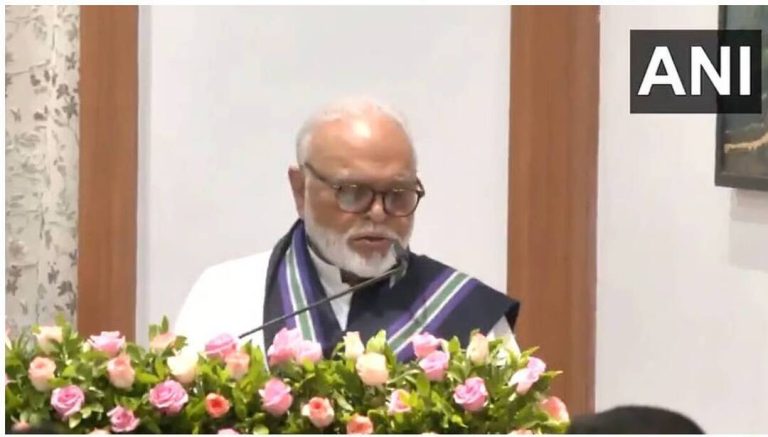
In a statement that has sparked controversy and debate, Minister of State for Health, Prataprao Jadhav, told the Rajya Sabha on Tuesday that there was no conclusive data in India to establish a direct link between deaths exclusively with air pollution. This statement has come as a surprise to many, given the growing concern over the alarming levels of air pollution in the country and its impact on public health.
According to Jadhav, “The health effects of air pollution are a synergistic manifestation of factors, which include food habits, occupational habits, socioeconomic status, medical history, immunity, heredity, etc.” This implies that the government believes that air pollution is just one of the many factors that contribute to health problems, and that it is not the sole cause of deaths.
The statement has been met with skepticism by environmentalists and health experts, who argue that there is overwhelming evidence to suggest that air pollution is a major contributor to premature deaths in India. They point to studies that have shown that exposure to poor air quality can lead to a range of health problems, including respiratory diseases, cardiovascular disease, and even cancer.
One of the main concerns is that the government’s statement may downplay the severity of the air pollution crisis in India. The country is home to some of the most polluted cities in the world, with Delhi and other major urban centers experiencing hazardous levels of particulate matter, nitrogen dioxide, and other pollutants. This has led to a significant increase in respiratory problems, with many people suffering from asthma, bronchitis, and other breathing difficulties.
Moreover, the economic costs of air pollution are also substantial. A study by the World Bank estimated that air pollution costs India around $80 billion annually, which is roughly 5.5% of the country’s GDP. This includes the costs of healthcare, lost productivity, and other economic impacts.
Despite these concerns, the government’s statement suggests that it is taking a more nuanced view of the issue. By highlighting the role of other factors in contributing to health problems, the government may be attempting to shift the focus away from air pollution as the sole culprit. However, this approach has been criticized for being overly simplistic and for failing to acknowledge the significant body of evidence that links air pollution to poor health outcomes.
It is also worth noting that the government’s statement may be seen as a reflection of the broader challenges in addressing air pollution in India. The country’s rapid economic growth and urbanization have led to a significant increase in emissions from vehicles, industry, and other sources, making it difficult to control pollution levels. Additionally, the lack of effective regulations and enforcement mechanisms has hindered efforts to reduce pollution.
In recent years, there have been some efforts to address the air pollution crisis in India, including the introduction of new emission standards for vehicles and the implementation of measures to reduce pollution from industrial sources. However, these efforts have been criticized for being inadequate, and much more needs to be done to address the scale and complexity of the problem.
In conclusion, the government’s statement on the link between air pollution and deaths has sparked a heated debate and highlights the need for a more nuanced and evidence-based approach to addressing the issue. While it is true that air pollution is just one of the many factors that contribute to health problems, it is also clear that it is a significant and growing concern that requires urgent attention.
As the country continues to grapple with the challenges of air pollution, it is essential that policymakers, experts, and citizens work together to develop effective solutions that prioritize public health and the environment. This includes investing in clean energy, improving public transportation, and implementing stricter regulations to control emissions.
Ultimately, the government’s statement should not be seen as a dismissal of the air pollution crisis, but rather as a call to action to address the complex and interconnected factors that contribute to poor health outcomes. By working together and taking a comprehensive approach to addressing air pollution, we can create a healthier and more sustainable future for all.
News Source: https://x.com/PTI_News/status/1998360503333355572
About the Author