No link between air pollution & deaths: Govt
The Indian government has made a startling claim that there is no conclusive data to establish a direct link between air pollution and deaths in the country. This statement was made by Minister of State for Health, Prataprao Jadhav, in the Rajya Sabha on Tuesday. According to Jadhav, the health effects of air pollution are a complex interplay of various factors, including food habits, occupational habits, socioeconomic status, medical history, immunity, and heredity.
Jadhav’s statement has sparked a heated debate about the impact of air pollution on public health in India. The country has been struggling to combat air pollution, with many cities consistently ranking among the most polluted in the world. The World Health Organization (WHO) has estimated that air pollution is responsible for approximately 7 million premature deaths worldwide each year, with a significant proportion of these deaths occurring in India.
However, Jadhav’s claim that there is no direct link between air pollution and deaths in India has raised eyebrows among environmentalists and health experts. They argue that the evidence linking air pollution to adverse health effects is overwhelming and that the government’s statement is an attempt to downplay the severity of the issue.
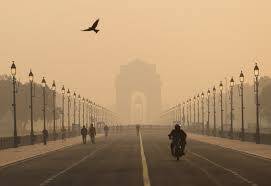
Air pollution is a major public health concern in India, with the country’s rapid industrialization and urbanization leading to a significant increase in pollutants in the air. The main sources of air pollution in India are particulate matter (PM), nitrogen dioxide (NO2), ozone (O3), and volatile organic compounds (VOCs). These pollutants can cause a range of health problems, including respiratory diseases, cardiovascular diseases, and even cancer.
The health effects of air pollution are well-documented and have been extensively studied. Exposure to particulate matter, for example, has been linked to an increased risk of lung cancer, cardiovascular disease, and respiratory disease. Similarly, exposure to nitrogen dioxide has been linked to an increased risk of respiratory problems, including asthma and chronic obstructive pulmonary disease (COPD).
Despite the overwhelming evidence, Jadhav’s statement suggests that the Indian government is not convinced that air pollution is a major public health concern. The minister’s statement that the health effects of air pollution are a synergistic manifestation of various factors, including food habits, occupational habits, socioeconomic status, medical history, immunity, and heredity, is an attempt to shift the focus away from air pollution as the primary cause of health problems.
However, health experts argue that while these factors may contribute to an individual’s overall health, they do not diminish the significant impact of air pollution on public health. In fact, studies have shown that even short-term exposure to air pollution can have significant health effects, including increased hospital admissions and emergency room visits.
The Indian government’s stance on air pollution is not only surprising but also alarming. With the country’s air pollution crisis showing no signs of abating, the government’s claim that there is no direct link between air pollution and deaths is a worrying indication that the issue is not being taken seriously.
In recent years, India has made some progress in addressing air pollution, including the implementation of the National Clean Air Programme (NCAP) and the introduction of stricter emissions standards for industries. However, much more needs to be done to tackle the scale and complexity of the problem.
The government’s claim that there is no conclusive data to establish a direct link between air pollution and deaths in India is not supported by the evidence. In fact, numerous studies have demonstrated a clear link between air pollution and adverse health effects in the country.
For example, a study published in the journal Lancet Planetary Health estimated that air pollution was responsible for approximately 1.2 million deaths in India in 2017. Another study published in the journal Environmental Health Perspectives found that exposure to particulate matter in India was associated with an increased risk of cardiovascular disease and lung cancer.
In conclusion, the Indian government’s claim that there is no direct link between air pollution and deaths in the country is a concerning development. With the evidence linking air pollution to adverse health effects mounting, it is imperative that the government takes immediate action to address the issue.
This includes implementing stricter emissions standards, increasing investment in clean energy, and promoting sustainable transportation options. The government must also work to raise awareness about the health effects of air pollution and provide support to individuals and communities affected by the problem.
Ultimately, the Indian government’s stance on air pollution is a test of its commitment to protecting the health and well-being of its citizens. With the country’s air pollution crisis showing no signs of abating, it is imperative that the government takes a more proactive and effective approach to addressing the issue.
News Source: https://x.com/PTI_News/status/1998360503333355572
About the Author