No link between air pollution & deaths: Govt
In a statement that has sparked controversy and debate, Minister of State for Health, Prataprao Jadhav, told the Rajya Sabha on Tuesday that there was no conclusive data in India to establish a direct link between deaths exclusively with air pollution. This statement has been met with skepticism by environmentalists and health experts, who argue that the evidence linking air pollution to premature deaths is overwhelming.
According to Jadhav, “The health effects of air pollution are a synergistic manifestation of factors, which include food habits, occupational habits, socioeconomic status, medical history, immunity, heredity, etc.” This statement suggests that the government believes that air pollution is just one of many factors that contribute to health problems, and that it is not possible to pinpoint it as the sole cause of deaths.
However, this stance has been criticized by many, who point out that the scientific evidence on the health impacts of air pollution is clear. Studies have shown that exposure to poor air quality can lead to a range of health problems, including respiratory and cardiovascular disease, lung cancer, and even premature death. In fact, the World Health Organization (WHO) estimates that nine out of ten people worldwide breathe polluted air, and that air pollution is responsible for seven million premature deaths every year.
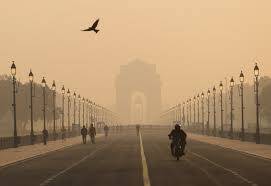
In India, the problem of air pollution is particularly acute. The country is home to some of the most polluted cities in the world, with Delhi and other major urban centers often experiencing hazardous levels of air pollution. This has led to a growing public health crisis, with thousands of people dying prematurely every year due to air pollution-related illnesses.
Despite this, the government’s statement suggests that it is not willing to take decisive action to address the problem of air pollution. Instead, it seems to be downplaying the issue, and suggesting that other factors are to blame for the country’s poor health outcomes.
This approach has been criticized by environmentalists, who argue that it is a cop-out. “The government’s statement is a classic example of denial and deflection,” said one environmental activist. “The evidence on air pollution is clear, and it is time for the government to take action to address this crisis.”
So, what can be done to address the problem of air pollution in India? Firstly, the government needs to take a more proactive approach to reducing emissions and improving air quality. This could involve measures such as increasing the use of clean energy, improving fuel efficiency standards, and promoting the use of electric vehicles.
Secondly, the government needs to invest more in public health initiatives, such as education campaigns and healthcare programs, to help people protect themselves from the effects of air pollution. This could include providing masks and other protective equipment to vulnerable populations, such as children and the elderly.
Finally, the government needs to be more transparent and accountable when it comes to air pollution. This means providing accurate and timely data on air quality, as well as being honest about the health impacts of air pollution. By taking these steps, the government can help to reduce the burden of air pollution on public health, and create a healthier and more sustainable future for all Indians.
In conclusion, the government’s statement on air pollution is a disappointing and misleading one. While it is true that air pollution is just one of many factors that contribute to health problems, the evidence is clear that it is a major public health risk. By downplaying the issue and suggesting that other factors are to blame, the government is failing to take the decisive action that is needed to address this crisis.
As the country continues to grapple with the problem of air pollution, it is essential that the government takes a more proactive and honest approach. This means investing in clean energy, promoting public health initiatives, and being transparent and accountable when it comes to air quality. Only by taking these steps can we hope to reduce the burden of air pollution on public health, and create a healthier and more sustainable future for all.
Source: https://x.com/PTI_News/status/1998360503333355572
About the Author